

Coughing up phlegm can be alarming, especially when you’re not feeling sick. Many people assume that mucus production is always a sign of infection, but that isn’t always the case.
In reality, the body produces phlegm for several reasons, including environmental exposures, allergies, chronic irritation, and underlying respiratory conditions.
Understanding why this happens is important for identifying whether it’s harmless or something that needs medical attention. In this article, we’ll explore the possible causes of coughing up phlegm when you’re not sick and what it may mean for your lung health.

Download our free guide that has over 100+ of the best tips for healthy lungs.
Why Am I Coughing Up Phlegm but Not Sick?
Coughing up phlegm without feeling sick is often due to non-infectious causes that irritate the airways. Common triggers include allergies, postnasal drip, exposure to dust, smoke, or pollution, and chronic conditions like asthma or COPD.
The body produces mucus to trap and remove irritants, which can lead to a productive cough even in the absence of illness. Gastroesophageal reflux disease (GERD) can also contribute by irritating the throat and airways. In some cases, dehydration can thicken mucus, making it more noticeable when you cough.
While occasional phlegm is usually harmless, persistent or excessive mucus production may warrant further evaluation by a healthcare provider.
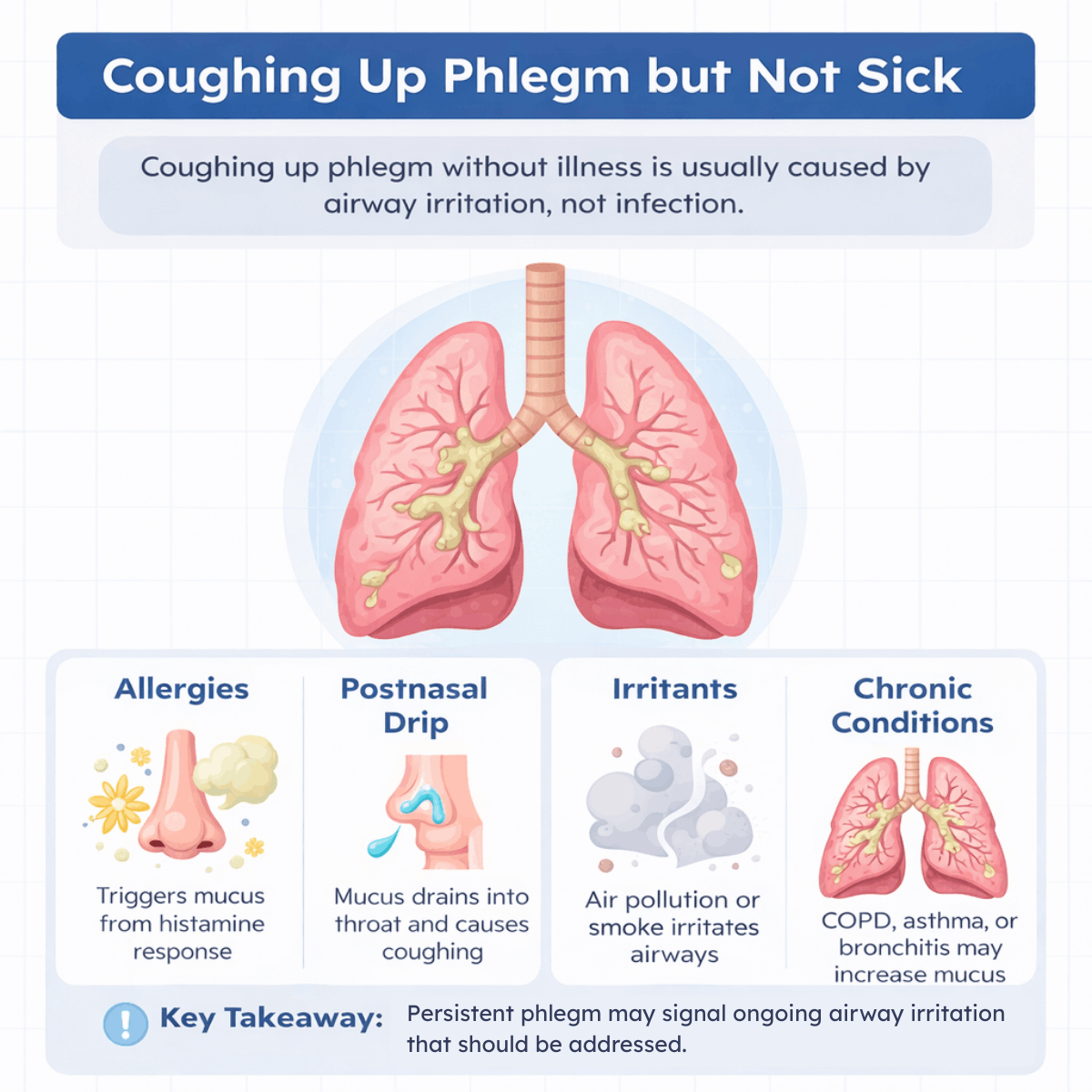
Understanding Coughing Up Phlegm Without Illness
Coughing up phlegm does not always signal infection. Mucus production is a normal body function, and several non-illness factors can increase it or make it more noticeable.
What Is the Role of Phlegm in the Body?
Phlegm is a thick form of mucus produced by the lower respiratory tract, including the lungs and bronchial tubes. It differs from nasal mucus, although both serve similar protective roles. The body uses phlegm to trap dust, allergens, pollutants, and microbes before they reach delicate lung tissue. Tiny hair-like structures called cilia move this mucus upward toward the throat, where it is swallowed or coughed out.
This process, known as mucociliary clearance, runs continuously. A person produces mucus every day, even when completely healthy. Most of the time, they swallow it without noticing. Phlegm becomes more noticeable when it thickens or increases in volume. Dry air, irritants, dehydration, or mild inflammation can change its texture without causing illness.
Wet Cough vs. Dry Cough
A wet cough produces mucus or phlegm. A dry cough does not bring up any material and often feels scratchy or irritating. Wet coughs occur when excess mucus collects in the airways. The body triggers coughing to clear it. This response is mechanical and protective, not always a sign of infection.
Dry coughs often result from throat irritation, postnasal drip, or environmental triggers such as smoke. They do not involve active mucus clearance from the lungs.
Note: When someone coughs up phlegm but otherwise feels well (i.e., no fever, fatigue, or body aches), the cause may be airway sensitivity, mild irritation, or chronic exposure to irritants rather than an acute illness.
How the Body Produces Phlegm
Specialized cells called goblet cells and mucus glands line the respiratory tract. They secrete mucus in response to normal airway needs and environmental stimuli. When the airways detect particles or dryness, these cells increase mucus output. The nervous system and immune signals regulate this process.
Cold air, allergens, air pollution, and smoke can all stimulate excess production. Even acid reflux can irritate the throat and airways, leading to increased phlegm without infection. Hydration levels also affect mucus thickness. When fluid intake drops, mucus becomes thicker and harder to clear, making coughing more noticeable.
Common Misconceptions
Many people assume that colored phlegm always means infection. In reality, color changes can result from trapped particles, mild inflammation, or old blood cells. Another misconception is that producing phlegm automatically indicates lung disease. Healthy lungs produce mucus daily; it only becomes noticeable when volume or thickness changes.
Some believe suppressing all coughs is beneficial. In cases involving mucus, coughing serves a purpose: it clears the airways and maintains airflow.
Finally, not every persistent cough signals serious illness. Environmental exposure, mild allergies, chronic throat clearing, or reflux can all cause ongoing phlegm production without a systemic infection.
Non-Illness Causes of Coughing Up Phlegm
Coughing up phlegm does not always signal infection. Environmental triggers, airway irritation, and chronic exposure to certain substances often stimulate excess mucus production without fever or systemic illness.
Allergies and Environmental Irritants
Allergies frequently cause ongoing phlegm production without signs of infection. When a person inhales allergens such as pollen, dust mites, pet dander, or mold spores, the immune system releases histamine and other chemicals. These substances increase mucus production in the nose and airways. The mucus may feel thick or sticky and can trigger frequent throat clearing or coughing.
Environmental irritants act in a similar way. Air pollution, wildfire smoke, strong perfumes, cleaning chemicals, and cold air can inflame airway linings. The body responds by producing more mucus to trap and remove particles. This mucus may appear clear or white and often worsens with continued exposure.
Note: Symptoms usually improve when the trigger is reduced or eliminated. Antihistamines, air purifiers, and avoiding known irritants can decrease phlegm production.
Postnasal Drip
Postnasal drip occurs when excess mucus from the nasal passages drains down the back of the throat. It commonly results from allergies, dry air, sinus inflammation, or weather changes. The drainage irritates throat tissues and stimulates a cough reflex. A person may feel mucus collecting in the throat, especially when lying down.
The mucus often appears clear, white, or slightly cloudy. It may thicken overnight due to reduced swallowing during sleep. Chronic throat clearing, a sensation of something stuck in the throat, and mild hoarseness often accompany postnasal drip. These symptoms can persist for weeks without any signs of infection.
Note: Hydration, saline nasal sprays, and humidified air often reduce irritation. Identifying and managing underlying triggers helps control long-term symptoms.
Smoking and Vaping
Smoking irritates the airways and damages the tiny hair-like structures called cilia. These structures normally move mucus out of the lungs. When cilia function poorly, mucus accumulates. The body compensates by increasing coughing to clear secretions.
Smokers often produce thicker, darker phlegm due to trapped particles from tobacco smoke. Morning coughing is common because mucus builds up overnight. Vaping can also inflame the airway linings. Although vapor differs from smoke, it still introduces chemicals and fine particles that stimulate mucus production.
Note: Persistent phlegm in smokers and people who vape reflects airway irritation rather than infection. Reducing or stopping exposure typically decreases mucus over time.
Occupational Exposures
Certain jobs expose workers to airborne particles that trigger mucus production. Construction, mining, agriculture, and manufacturing commonly involve dust, silica, chemical fumes, or metal particles. Repeated inhalation irritates airway linings. The body produces mucus to trap and remove these substances.
Workers may notice phlegm that worsens during shifts and improves on days off. The mucus often appears clear, gray, or slightly discolored depending on exposure. Long-term exposure can lead to chronic airway inflammation. Protective equipment, such as respirators and proper ventilation, reduces risk.
Note: Medical evaluation is important when phlegm persists or breathing becomes difficult. Early intervention helps prevent long-term lung damage.
Respiratory Conditions Unrelated to Acute Sickness
Several chronic respiratory disorders can cause ongoing phlegm production without signs of a cold or flu. These conditions involve airway inflammation, mucus overproduction, or structural lung changes that persist over time rather than resolving within days.
Asthma
Asthma is a chronic inflammatory disease of the airways. It causes the bronchial tubes to narrow and produce excess mucus, even when no infection is present.
Some people with asthma experience a chronic productive cough, especially in the early morning or after exercise. Others notice thick, clear, or white phlegm that lingers for weeks. This pattern often worsens with exposure to triggers such as dust, pollen, cold air, or smoke.
Inflammation makes the airway lining swollen and sensitive. The body responds by increasing mucus production to trap irritants, but the excess mucus can accumulate and require frequent clearing.
Key features linked to asthma-related phlegm include:
- Intermittent wheezing
- Chest tightness
- Shortness of breath
- Symptoms that improve with inhaled bronchodilators
Note: Well-controlled asthma typically reduces mucus production. Poor control allows chronic airway irritation to continue.
Chronic Bronchitis
Chronic bronchitis is defined by a productive cough lasting at least three months per year for two consecutive years. It does not require an active infection.
The condition develops when long-term irritation—most commonly from cigarette smoke—damages the bronchial tubes. The airway lining thickens, and mucus glands enlarge. As a result, the lungs produce more phlegm than normal.
People often cough up white, yellow, or clear mucus daily. Morning symptoms are common because mucus collects overnight.
Other features may include:
- Persistent cough
- Mild shortness of breath
- Frequent throat clearing
- Recurrent flare-ups triggered by pollutants
Note: Unlike acute bronchitis, symptoms do not fully resolve. Ongoing inflammation drives continued mucus production.
Chronic Obstructive Pulmonary Disease (COPD)
COPD is a progressive lung disease that includes chronic bronchitis and emphysema. It causes airflow limitation that does not fully reverse. In COPD, damaged airways and air sacs trap air and impair mucus clearance. The body continues to produce phlegm, but weakened cilia—the tiny hair-like structures that move mucus—cannot clear it effectively.
Common signs associated with COPD-related phlegm include:
- Daily productive cough
- Thick sputum
- Increasing shortness of breath over time
- History of smoking or long-term exposure to irritants
Note: Mucus may become more noticeable during physical activity. Even in stable phases without infection, persistent inflammation sustains mucus production. Early diagnosis and smoking cessation can slow progression and reduce symptom severity.
Gastrointestinal Factors Affecting Phlegm Production
Digestive disorders can irritate the throat and airways, leading to persistent phlegm even without infection. Stomach acid that moves upward into the esophagus or throat often triggers this response.
Acid Reflux and GERD
Gastroesophageal reflux disease (GERD) occurs when stomach acid repeatedly flows back into the esophagus. This acid can reach high enough to irritate the throat, which stimulates mucus production as a protective response.
The body produces phlegm to coat and shield inflamed tissue. As a result, a person may cough up mucus despite having no cold or respiratory illness.
Common signs linked to GERD include:
- Frequent heartburn
- A sour or bitter taste in the mouth
- Chest discomfort after meals
- Chronic throat clearing
Symptoms often worsen after large meals, lying down, or consuming fatty and acidic foods. Ongoing irritation can make the cough and phlegm production persistent.
Note: Managing GERD typically involves smaller meals, avoiding trigger foods, weight control, and in some cases, acid‑reducing medications.
Silent Reflux (Laryngopharyngeal Reflux)
Laryngopharyngeal reflux (LPR), often called silent reflux, occurs when stomach acid travels beyond the esophagus into the throat and voice box. Unlike GERD, it usually does not cause noticeable heartburn.
Instead, it irritates the larynx and upper airway. This irritation leads to excess mucus, frequent throat clearing, a sensation of a lump in the throat, or hoarseness. Because the lining of the throat is more sensitive than the esophagus, even small amounts of acid can trigger inflammation. The body responds by increasing phlegm production to protect the tissue.
Symptoms often appear in the morning or after speaking for long periods. Diagnosis may require evaluation by a clinician, especially when coughing up phlegm persists without other signs of infection.
Medications and Their Impact on Phlegm
Certain medications can increase, thicken, dry, or thin mucus in the airways. These effects depend on how the drug interacts with the respiratory lining, immune response, or fluid balance.
Side Effects of Common Medications
Some drugs trigger excess mucus production as a side effect. ACE inhibitors, used for high blood pressure, can cause a persistent cough that brings up small amounts of phlegm due to airway irritation.
Beta-blockers may narrow airways in sensitive individuals, especially those with asthma. This narrowing can lead to increased mucus and throat clearing.
Certain antidepressants and antipsychotics have anticholinergic effects that thicken secretions. Thicker mucus can feel harder to clear, even if the amount has not increased.
Overuse of nasal decongestant sprays can also irritate the nasal passages. Rebound congestion may follow, leading to postnasal drip and frequent coughing up of mucus.
Note: When phlegm begins soon after starting a new medication, timing often provides an important clue. A clinician may adjust the dose or switch medications if symptoms persist.
Medications That Dry or Thin Mucus
Some medications intentionally change mucus consistency. Antihistamines, especially first-generation types like diphenhydramine, dry out nasal and airway secretions.
Dry mucus can become thicker and stickier. This may reduce runny discharge but increase the sensation of phlegm in the throat.
On the other hand, expectorants such as guaifenesin help thin mucus. Thinner mucus moves more easily through the airways and may temporarily increase productive coughing.
Inhaled saline and certain prescription nebulizer treatments also loosen secretions by adding moisture. This approach supports natural clearance without suppressing the cough reflex.
Note: The effect depends on hydration status and dosage. Adequate fluid intake helps these medications work more effectively and prevents mucus from becoming overly thick.
Lifestyle and Environmental Influences
Daily habits and indoor conditions often affect mucus production more than people realize. Food choices, fluid intake, and the quality of the air at home can directly influence how thick or persistent phlegm becomes.
Diet and Hydration
Hydration plays a central role in mucus consistency. When a person drinks too little fluid, the body produces thicker secretions that are harder to clear from the throat and chest.
Water remains the most effective option. Most adults benefit from steady intake throughout the day rather than large amounts at once. Warm liquids such as broth or herbal tea can also help loosen mucus and make coughing more productive.
Certain foods may increase throat clearing in some individuals. Full-fat dairy, fried foods, and highly processed meals can leave a coating sensation in the mouth and throat, which some people interpret as excess phlegm. Spicy foods may temporarily increase nasal drainage.
A balanced diet rich in fruits, vegetables, and lean protein supports normal immune and respiratory function. Consistent eating patterns also reduce acid reflux, which can silently irritate the throat and trigger mucus production.
Air Quality and Humidity at Home
Indoor air quality strongly affects airway irritation. Dust, pet dander, mold spores, and smoke particles can stimulate mucus production even when no infection is present. Regular vacuuming with a HEPA filter and washing bedding in hot water reduces allergen buildup. Replacing HVAC filters every one to three months helps limit circulating irritants.
Humidity levels also matter. Air that is too dry can thicken mucus, while excessive humidity encourages mold growth. Most homes benefit from indoor humidity between 30% and 50%.
Using a hygrometer provides accurate readings. A humidifier can add moisture in dry climates, while a dehumidifier helps in damp environments. Clean these devices regularly to prevent microbial growth.
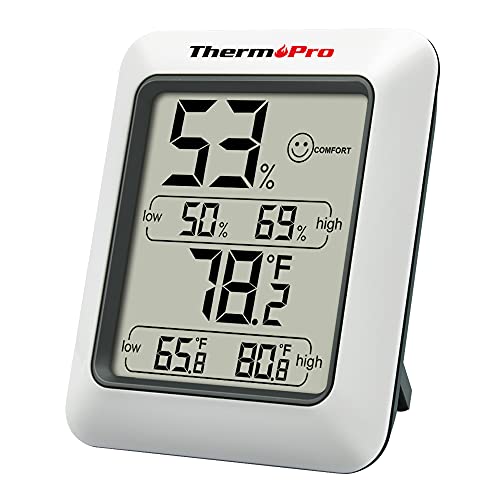
An accurate and user-friendly device designed to measure indoor temperature and humidity levels, helping you maintain optimal living conditions in your home.
When to Seek Medical Advice
Most cases of phlegm without other symptoms are mild and temporary. However, certain signs require medical evaluation. A healthcare professional can determine whether an underlying condition needs treatment.
A person should seek care if the phlegm lasts longer than three weeks without improvement. Persistent mucus may signal chronic sinusitis, asthma, or another airway condition.
Medical attention is also important if any of the following occur:
- Blood in the mucus
- Thick green, brown, or foul-smelling phlegm
- Shortness of breath or wheezing
- Chest pain
- Unexplained weight loss
- Fever that develops later
These symptoms may point to infection, lung disease, or other respiratory issues.
People with existing conditions such as asthma, COPD, or allergies should contact their clinician if mucus production suddenly increases or changes in color or thickness. Early adjustment of treatment can prevent complications.
Infants, older adults, and individuals with weakened immune systems should not ignore persistent mucus. Their symptoms can worsen more quickly.
Note: If coughing interferes with sleep, daily activity, or breathing, a medical evaluation helps identify the cause and guide proper care.
Diagnostic Approaches and Tests
A clinician begins with a detailed medical history. They ask about symptom duration, smoking exposure, allergies, medications, and workplace irritants. The color, thickness, and timing of the phlegm also provide useful clues.
A physical exam follows. The clinician listens to the lungs for wheezing, crackles, or reduced airflow. They may also check the nose and throat for signs of postnasal drip or irritation.
If symptoms persist or raise concern, basic tests help narrow the cause. Common options include:
- Chest X-ray to evaluate lung structure
- Spirometry to measure airflow and detect asthma or COPD
- Allergy testing if environmental triggers are suspected
- Sputum analysis to check for infection or inflammation
When acid reflux seems likely, a provider may recommend a trial of reflux medication or further gastrointestinal evaluation. If chronic sinus issues are suspected, imaging of the sinuses may help.
Blood tests are not always necessary, but they can identify inflammation or rule out infection. Clinicians tailor testing based on risk factors, exam findings, and symptom pattern.
Note: Persistent or unexplained phlegm may require referral to a pulmonologist or ear, nose, and throat specialist.
Effective Management and Home Care Strategies
Staying well hydrated helps thin mucus and makes it easier to clear. He or she should drink water regularly throughout the day, especially in dry environments. Warm fluids such as herbal tea or broth may also soothe the throat.
Using a humidifier can add moisture to indoor air. This step helps prevent airway irritation, particularly during colder months when heating systems dry the air. Regular cleaning of the device prevents mold and bacteria buildup.
Simple airway clearance techniques can reduce mucus buildup. They may try:
- Gentle coughing instead of forceful throat clearing
- Steam inhalation from a bowl of hot water or a shower
- Saline nasal sprays to reduce postnasal drip
Avoiding irritants is equally important. Smoke, strong fragrances, air pollution, and dust can trigger excess mucus production. If allergies contribute, limiting exposure to known allergens supports better control.
Lifestyle habits also play a role. Elevating the head during sleep may reduce nighttime mucus pooling. Regular physical activity encourages deeper breathing and natural airway clearance.
Note: If symptoms persist for several weeks or worsen, a healthcare professional should evaluate the cause. Persistent phlegm without illness can signal an underlying issue that requires targeted treatment.
FAQs About Coughing Up Phlegm Without Being Sick
Why Do I Keep Coughing Up Mucus, but I’m Not Sick?
Coughing up mucus without feeling sick is often caused by airway irritation rather than an infection. Common triggers include allergies, postnasal drip, environmental irritants like smoke or dust, and chronic conditions such as asthma or chronic bronchitis.
Your body produces mucus to trap and remove irritants, which can lead to persistent coughing. Even mild inflammation in the airways can increase mucus production. If it continues for weeks or worsens, it’s a good idea to consult a healthcare provider.
Why Am I Coughing With No Other Symptoms?
A cough without other symptoms is usually linked to irritation or hypersensitivity in the airways. It can be caused by allergies, dry air, acid reflux, or exposure to irritants like pollution or strong odors.
In some cases, it may be due to a condition like cough-variant asthma, where a cough is the main symptom. Even postnasal drip can trigger coughing without obvious signs of illness. If the cough persists or interferes with daily life, medical evaluation may be necessary.
Why Do I Bring Up Phlegm Without Coughing?
Bringing up phlegm without coughing is often due to mucus draining from the sinuses into the throat, a condition known as postnasal drip. This can happen with allergies, sinus irritation, or environmental factors.
The mucus may collect in the throat and need to be cleared frequently, even without a strong cough reflex. Gastroesophageal reflux can also contribute by irritating the throat and increasing mucus production. Staying hydrated and addressing the underlying cause can help reduce this sensation.
How Do I Stop Coughing Up Phlegm?
To stop coughing up phlegm, focus on reducing mucus production and clearing airway irritation. Staying well hydrated helps thin mucus, making it easier to clear. Using a humidifier, avoiding irritants like smoke, and managing allergies can also help.
Over-the-counter expectorants may loosen mucus, while antihistamines can reduce postnasal drip. Treating underlying conditions such as asthma or reflux is key for long-term relief. If symptoms persist or worsen, consult a healthcare provider for further evaluation.
How Do I Get Rid of Phlegm if I Can’t Cough It Up?
If you can’t cough up phlegm, the goal is to loosen and mobilize it. Drinking plenty of fluids helps thin mucus, while warm steam or humidified air can make it easier to clear. Gentle techniques like controlled coughing or huff coughing may be effective.
Postural drainage, where you position your body to help mucus move, can also help. In some cases, expectorants or mucolytic medications may be useful. Seek medical advice if mucus becomes thick, persistent, or difficult to manage.
When Should I Be Worried About Coughing Up Phlegm?
You should be concerned about coughing up phlegm if it lasts more than a few weeks, worsens over time, or is accompanied by symptoms like shortness of breath, chest pain, fever, or weight loss.
Changes in the color of mucus, such as green, yellow, or blood-tinged sputum, may indicate infection or another condition. Persistent or excessive mucus can also signal chronic lung disease.
Note: If you notice any of these warning signs, it’s important to seek medical evaluation promptly.
Final Thoughts
Coughing up phlegm when you’re not sick can be confusing, but it is often the body’s natural response to irritation rather than a sign of infection. Factors like allergies, environmental exposures, and underlying conditions can all play a role in increased mucus production.
Paying attention to how long the symptoms last and any accompanying changes can help determine whether it is something minor or worth investigating further. If the issue persists or worsens, it is important to seek medical advice to rule out more serious causes and ensure your respiratory health stays on track.

Written by:
John Landry is a registered respiratory therapist from Memphis, TN, and has a bachelor's degree in kinesiology. He enjoys using evidence-based research to help others breathe easier and live a healthier life.
References
- Fahy JV, Dickey BF. Airway mucus function and dysfunction. N Engl J Med. 2010.