
It might sound like a bizarre scenario, but accidentally inhaling a bug can happen more easily than you think, especially when breathing through your mouth during outdoor activities. This unexpected event can trigger immediate coughing, throat irritation, or a choking sensation as your body tries to protect the airways.
While most cases are harmless and the bug is quickly expelled, there are situations where it can travel deeper into the respiratory tract and cause complications.
Understanding what happens in the body when this occurs can help you recognize symptoms and know when medical attention may be necessary.

Download our free guide that has over 100+ of the best tips for healthy lungs.
What Happens If You Inhale a Bug Into Your Lungs?
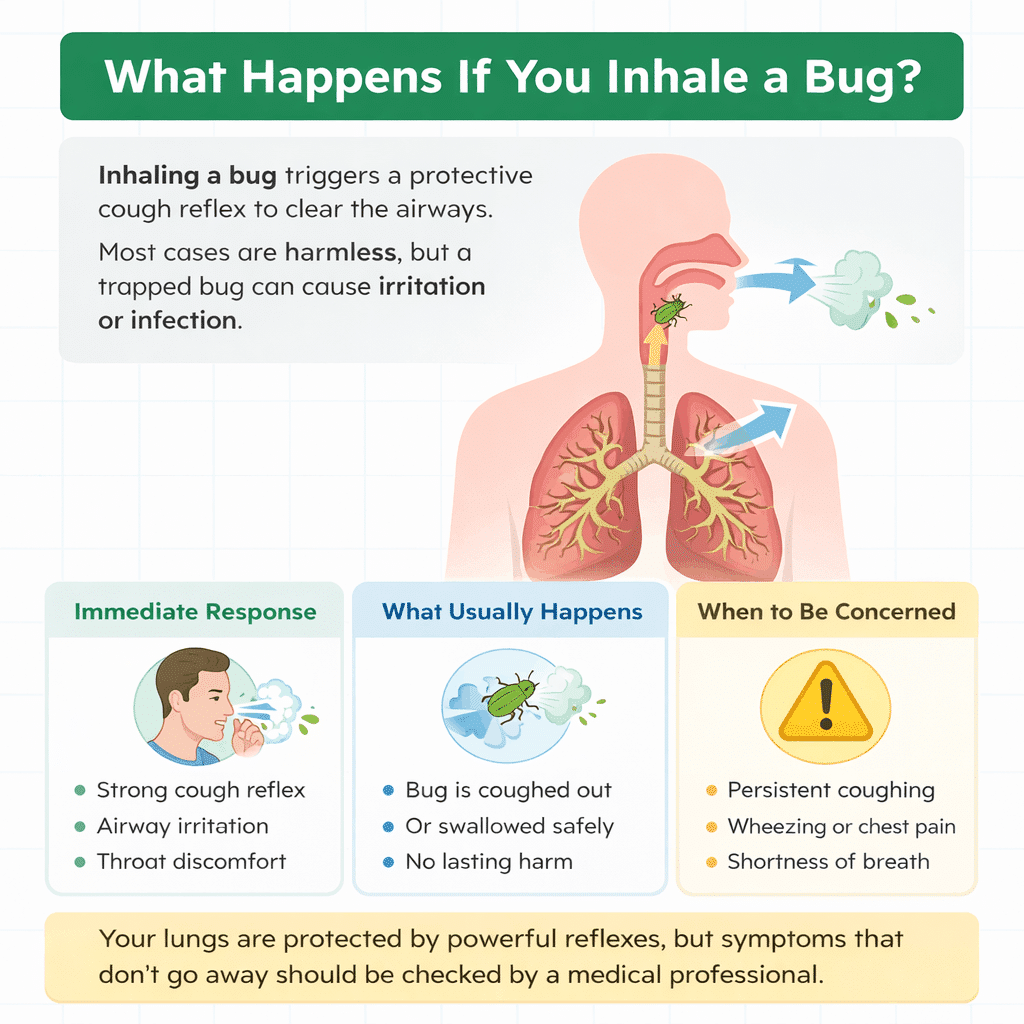
If you inhale a bug into your lungs, your body immediately reacts to protect the airways. The most common response is a strong cough reflex, which helps expel the foreign object before it can travel deeper.
In many cases, the bug becomes trapped in the upper airway and is either coughed out or swallowed without causing harm. However, if it reaches the lower airways, it can lead to irritation, inflammation, or even infection.
Symptoms may include persistent coughing, wheezing, chest discomfort, or shortness of breath. In rare cases, a retained foreign body may require medical removal, especially if symptoms do not resolve or begin to worsen over time.
Immediate Reactions to Inhaling a Bug
When a person inhales a bug, the body reacts within seconds. The airways trigger protective reflexes that aim to trap, expel, or isolate the foreign object before it travels deeper into the lungs.
Physical Responses in the Airways
The respiratory tract reacts immediately to a foreign body. Nerve endings in the nose, throat, larynx, and bronchi detect mechanical irritation as soon as the insect makes contact. The airway lining produces mucus to trap the bug and limit its movement. Tiny hair-like structures called cilia begin coordinated beating to push mucus and debris upward toward the throat.
If the bug passes the vocal cords, the lower airways constrict. Smooth muscle around the bronchi tightens in a reflex known as bronchospasm. This narrowing reduces airflow and may create a feeling of chest tightness.
Swelling can also occur along the airway lining. In some cases, especially if the insect releases irritants or venom, localized inflammation develops within minutes. This response may partially block airflow, depending on the size of the insect and the airway involved.
Initial Symptoms to Watch For
Symptoms often begin abruptly. A person may feel a sudden tickling or scratching sensation in the throat or chest.
Common early signs include:
- Sudden coughing
- Gagging
- A choking sensation
- Shortness of breath
- Wheezing
Breathing may become noisy if airflow narrows. High-pitched sounds during inhalation or exhalation suggest partial obstruction. If the insect remains lodged, symptoms can persist or worsen. Ongoing coughing, chest discomfort, or difficulty taking a full breath may signal that the bug has not been expelled.
Note: Severe warning signs include persistent inability to speak, blue lips, or extreme breathing distress. These indicate significant airway blockage and require immediate emergency care.
Coughing Mechanism and Ejection
Coughing serves as the primary defense against inhaled objects. It begins with a deep inhalation, followed by closure of the vocal cords. The chest and abdominal muscles then contract forcefully. Pressure builds inside the lungs. When the vocal cords suddenly open, air explodes outward at high speed.
This rapid airflow can dislodge and propel a small insect back into the throat or mouth. In many cases, a single strong cough clears the airway.
If the insect becomes stuck deeper in a bronchus, repeated coughing may not remove it. The cough may become persistent and dry. Medical evaluation is necessary if symptoms continue after several forceful coughing attempts.
Potential Health Risks of Inhaled Insects
Inhaling an insect can irritate delicate airway tissues, introduce microbes, and trigger immune responses. The severity depends on the insect’s size, body parts, and the person’s underlying health.
Respiratory Tract Irritation
An insect can scrape and inflame the lining of the nose, throat, or bronchial tubes as it moves or becomes lodged. Tiny legs, wings, or exoskeleton fragments may stick to moist airway surfaces and cause persistent coughing.
The body responds quickly. It increases mucus production and activates the cough reflex to expel the foreign material.
If the insect reaches the lower airways, it can block a small bronchial passage. This blockage may cause localized wheezing, chest discomfort, or shortness of breath. In rare cases, especially in children or older adults, a larger insect can cause partial airway obstruction that requires urgent medical care.
Note: Even after removal, irritation can last for several days. Swelling and residual fragments may continue to trigger coughing until the tissue heals.
Risk of Infection
Insects often carry bacteria, fungi, and environmental debris on their bodies. When inhaled, these microorganisms can enter the respiratory tract directly.
Most healthy lungs clear small amounts of bacteria without difficulty. Cilia, which are tiny hairlike structures in the airways, move mucus and trapped particles upward so the person can swallow or cough them out.
Problems arise if the insect remains lodged or if fragments stay behind. Trapped organic material can create a localized area where bacteria multiply. This may lead to bronchitis or, in rare cases, pneumonia.
People with asthma, chronic obstructive pulmonary disease, or weakened immune systems face higher risk. They may develop fever, increased mucus, chest pain, or worsening cough within several days of the incident.
Allergic Reactions
Some individuals react not to the insect itself but to proteins in its body. When these proteins contact airway tissue, the immune system may treat them as harmful invaders. Mild reactions include sneezing, throat irritation, and watery eyes. The airways may swell slightly, causing a tight feeling in the chest.
In people with known insect allergies, especially to stinging insects, inhalation can trigger more serious symptoms. These may include significant airway swelling, wheezing, hives, or difficulty breathing.
Note: Severe reactions require immediate medical attention. Rapid treatment with epinephrine and supportive care can prevent life-threatening airway compromise.
When to Seek Medical Attention
Certain symptoms signal that a bug in the airway has moved beyond a brief irritation and may threaten breathing or lung health. Persistent breathing problems, chest pain, or signs of infection require prompt medical evaluation.
Warning Signs of Complications
He or she should seek medical care if coughing does not stop after several minutes or keeps returning over the next few hours. Ongoing wheezing, noisy breathing, or a feeling that something remains stuck in the chest also raise concern.
Shortness of breath at rest, chest tightness, or pain when taking a deep breath may indicate airway blockage or inflammation. Coughing up blood, even in small amounts, requires urgent evaluation.
Fever, chills, or thick mucus that develops within days can signal infection. Young children, older adults, and people with asthma or chronic lung disease face higher risk and should contact a clinician sooner rather than waiting for symptoms to worsen.
Emergency Response Steps
Call emergency services immediately if the person cannot speak, cough, or breathe effectively. Blue lips, a pale face, or visible distress show that oxygen levels may be dropping. If the person is conscious and coughing forcefully, encourage continued coughing. Do not offer food or drink, as this can worsen choking.
If breathing stops or the person loses consciousness, begin CPR and follow dispatcher instructions until help arrives. Trained individuals may perform abdominal thrusts for severe choking in adults and children over one year old.
Note: Medical teams may use imaging or a bronchoscope to locate and remove the insect. Prompt treatment reduces the risk of airway injury and lung infection.
Long-Term Effects and Complications
A bug that remains in the airway can trigger infection or ongoing irritation. The most serious concerns include bacterial pneumonia and persistent lung inflammation.
Development of Pneumonia
If part or all of the insect stays lodged in the bronchial tubes, it can block airflow and trap mucus. This creates a moist environment where bacteria multiply quickly.
The body reacts by sending immune cells to the area. Fluid and pus can build up inside the air sacs, which reduces oxygen exchange. A person may develop fever, chest pain, productive cough, and shortness of breath within days.
Doctors confirm pneumonia with a chest X-ray or CT scan. They often prescribe antibiotics if they suspect bacterial infection. In some cases, a bronchoscopy removes insect fragments that continue to fuel infection.
Note: Without treatment, pneumonia can spread within the affected lung segment. Older adults, smokers, and people with chronic lung disease face a higher risk of severe illness.
Lung Inflammation
Even if infection does not develop, the insect’s body can irritate airway tissue. The immune system recognizes it as a foreign object and triggers inflammation. Swelling of the bronchial lining can narrow the airway. This may cause persistent cough, wheezing, or a sensation of chest tightness. Symptoms sometimes resemble asthma.
If fragments remain embedded, inflammation can become chronic. Scar tissue may form around the site, which can slightly reduce airflow in that region of the lung. Pulmonary function tests may show localized obstruction.
Prompt removal of the insect usually limits long-term damage. When symptoms continue beyond several weeks, doctors may use imaging or bronchoscopy to check for retained material or structural changes.
Diagnosis and Medical Evaluation
A clinician begins with a focused medical history. They ask when the inhalation occurred, what symptoms followed, and whether coughing relieved the sensation. Sudden coughing, choking, or wheezing raises concern for airway obstruction.
The physical exam centers on the respiratory system. The provider listens for wheezing, decreased breath sounds, or stridor. Uneven airflow between the lungs may suggest that an object blocks one bronchus.
If symptoms persist, imaging helps clarify the situation. A chest X-ray may show air trapping, partial lung collapse, or localized inflammation. However, many insects do not appear directly on standard X-rays.
When suspicion remains high, doctors may order a CT scan. CT imaging can detect small foreign bodies and identify swelling or obstruction with greater detail.
In some cases, the physician performs a bronchoscopy. This procedure uses a thin, flexible tube with a camera to examine the airways. It allows direct visualization and often enables immediate removal of the insect.
Doctors also monitor oxygen levels and breathing effort. Low oxygen saturation, rapid breathing, or chest retractions signal more urgent airway compromise. Prompt evaluation reduces the risk of infection, inflammation, or prolonged blockage.
Treatment Options for Inhaled Bugs
Doctors remove the insect when it blocks airflow, causes persistent symptoms, or triggers infection. Treatment ranges from minimally invasive procedures to medications that reduce inflammation and prevent complications.
Professional Removal Procedures
If a person inhales a bug into the lower airway, a doctor often performs a bronchoscopy. This procedure uses a thin, flexible tube with a camera inserted through the nose or mouth into the lungs. It allows direct visualization and removal with small grasping tools or suction.
Doctors usually perform flexible bronchoscopy under local anesthesia with sedation. In children or severe cases, they may use rigid bronchoscopy under general anesthesia to secure the airway and improve access.
Prompt removal reduces the risk of airway swelling, infection, and lung collapse. If the insect fragments during removal, the doctor carefully clears all visible debris to prevent ongoing irritation.
Note: Most patients go home the same day unless breathing problems persist. Medical staff monitor oxygen levels and watch for bleeding or bronchospasm after the procedure.
Medications and Therapies
Doctors may prescribe bronchodilators to relax airway muscles and improve airflow. These medications help relieve wheezing and chest tightness after the insect irritates the airway lining. If significant inflammation develops, a short course of corticosteroids may reduce swelling. This treatment lowers the risk of prolonged coughing or airway narrowing.
When signs of infection appear, such as fever or localized pneumonia on imaging, doctors may start antibiotics. They choose the drug based on suspected bacteria and the patient’s medical history.
Note: Supportive care also plays a role. Oxygen therapy, hydration, and breathing treatments help stabilize symptoms while the airway heals.
FAQs About Inhaling a Bug Into Your Lungs
Is It Possible to Inhale a Bug Into Your Lungs?
Yes, it is possible to inhale a bug into your lungs, although it is relatively uncommon. This can happen when breathing through your mouth during outdoor activities, especially while talking, laughing, or exercising.
In most cases, the body’s natural defenses, such as coughing and airway reflexes, prevent the bug from reaching the lower lungs. However, if it bypasses these defenses, it may enter the lower airways and potentially cause irritation or other symptoms.
What Happens If You Breathe in a Small Insect?
When you breathe in a small insect, your body typically responds immediately with a strong cough reflex to expel it. You may feel sudden throat irritation, discomfort, or a choking sensation. In most cases, the insect is either coughed out or swallowed without causing harm.
However, if it travels deeper into the lungs, it can trigger inflammation or infection, leading to symptoms such as persistent coughing, wheezing, or shortness of breath.
How Do You Remove an Aspirated Bug From Your Lungs?
If a bug is suspected to be lodged in the lungs, medical evaluation is important. Doctors may use imaging tests, such as a chest X-ray or CT scan, to locate the object.
In many cases, a procedure called bronchoscopy is performed, where a flexible tube with a camera is inserted into the airways to visualize and remove the bug.
Note: Prompt removal helps prevent complications such as infection, airway blockage, or prolonged inflammation.
How Do You Get Rid of a Bug in Your Throat?
If a bug becomes stuck in your throat, coughing is the body’s first and most effective response. Drinking water or taking small sips can help move it along, while staying calm can prevent further airway irritation.
Avoid aggressive swallowing or panicking, as this may worsen discomfort. If the sensation persists, causes pain, or interferes with breathing or swallowing, medical attention should be sought to ensure the airway is clear.
What Happens to Bugs That Get Accidentally Inhaled?
Most bugs that are accidentally inhaled are quickly expelled through coughing or cleared by the body’s natural defense mechanisms. If swallowed, they are typically broken down by stomach acids without issue.
In rare cases where a bug remains in the airways, it can cause irritation, inflammation, or infection. The body may attempt to isolate it, but medical removal may be necessary if symptoms persist or complications develop over time.
What Happens in Your Lungs After You Accidentally Inhale an Insect?
If an insect reaches the lungs, it can irritate the airway lining and trigger an inflammatory response. This may lead to symptoms such as persistent coughing, wheezing, chest discomfort, or increased mucus production.
The body may attempt to break down or expel the foreign material, but if it remains, it can increase the risk of infection or localized airway obstruction. In such cases, medical evaluation is important to prevent further complications.
When to See a Doctor After Inhaling a Bug?
You should see a doctor if symptoms persist after inhaling a bug or if they worsen over time. Warning signs include ongoing coughing, wheezing, chest pain, shortness of breath, or fever.
Difficulty breathing or a choking sensation requires immediate medical attention. Even if symptoms seem mild at first, a retained foreign object can lead to complications if left untreated. Early evaluation helps ensure proper diagnosis and timely removal if needed.
Final Thoughts
Inhaling a bug into your lungs is usually more alarming than dangerous, as the body’s natural defense mechanisms are highly effective at clearing the airways. Most cases resolve quickly with coughing and cause no lasting harm.
However, if symptoms persist or worsen, it may signal that the bug has lodged deeper in the respiratory tract and requires medical attention. Paying close attention to warning signs such as ongoing coughing, wheezing, or difficulty breathing can help ensure timely care.
By understanding how the body responds, you can stay calm, take appropriate action, and protect your respiratory health.

Written by:
John Landry is a registered respiratory therapist from Memphis, TN, and has a bachelor's degree in kinesiology. He enjoys using evidence-based research to help others breathe easier and live a healthier life.
References
- Qureshi A, Behzadi A. Foreign-body aspiration in an adult. Can J Surg. 2008.