

Feeling like there’s always mucus stuck in your throat can be frustrating, uncomfortable, and even a little concerning. You may find yourself constantly clearing your throat, coughing, or swallowing in an attempt to get relief. In many cases, this sensation is caused by postnasal drip, acid reflux, allergies, or chronic airway irritation.
While mucus plays an important role in protecting your respiratory system, excess or thickened secretions can create persistent symptoms. Understanding the underlying causes is the first step toward finding effective relief and improving your overall comfort.

Download our free guide that has over 100+ of the best tips for healthy lungs.
Why Do I Have Mucus Stuck in My Throat All the Time?
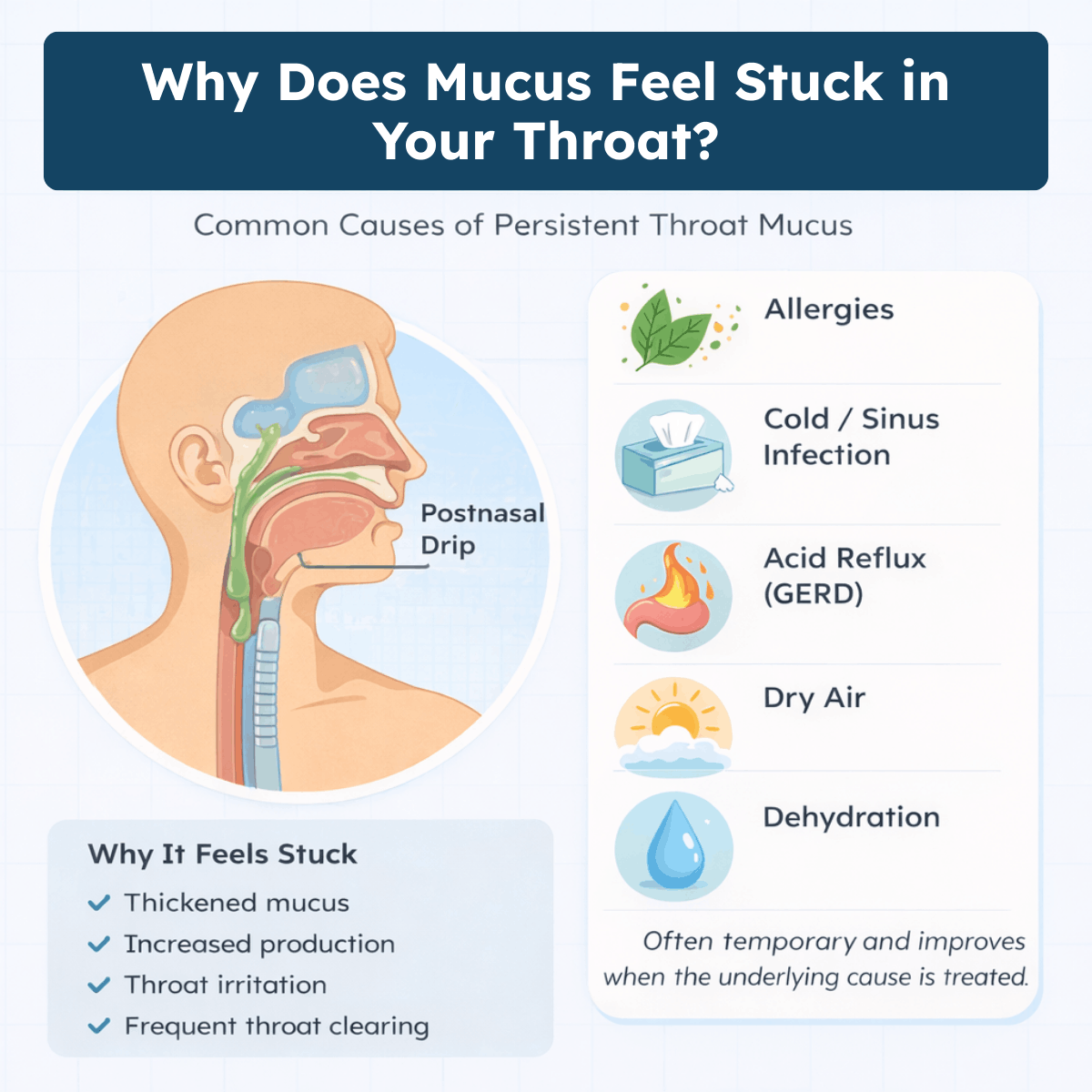
Feeling like you have mucus stuck in your throat all the time is usually related to excess mucus production or thickened secretions that are not clearing properly. One of the most common causes is postnasal drip, where mucus from the nose and sinuses drains down the back of the throat due to allergies, colds, or sinus inflammation.
Acid reflux, particularly laryngopharyngeal reflux (LPR), can also irritate the throat and stimulate mucus production. Environmental irritants such as smoke, pollution, or dry air may further worsen the sensation.
In some cases, chronic throat clearing can make the problem feel worse by irritating the lining of the throat and triggering even more mucus production. Dehydration can also thicken secretions, making them harder to swallow or clear. Identifying the underlying cause is key, as treatment may involve improving hydration, managing allergies, addressing reflux, or reducing exposure to irritants.
Understanding Throat Mucus
The Protective Role of Mucus
Your respiratory tract is lined with a thin layer of mucus that plays a vital protective role. This sticky substance traps dust, bacteria, viruses, allergens, and other airborne particles before they can travel deeper into the lungs.
Once trapped, these particles are moved upward by Cilia, which are microscopic hair-like structures that beat in a coordinated pattern. This process, often called the mucociliary escalator, carries mucus toward the back of the throat, where it is typically swallowed without you ever noticing it.
Under normal conditions, this system works efficiently and quietly in the background. Mucus production is balanced, and clearance happens continuously. You may not even be aware that your body produces over a liter of mucus each day. When everything is functioning properly, mucus protects your airways without causing discomfort.
When “Normal” Becomes “Too Much”
Problems begin when the balance between mucus production and clearance is disrupted. This can happen if your body produces excessive mucus, if the mucus becomes unusually thick or sticky, or if drainage from the nose and sinuses increases and flows into the throat, a condition commonly referred to as postnasal drip. When mucus accumulates or lingers, you may start to notice uncomfortable symptoms.
Common sensations and symptoms include:
- A persistent lump-in-the-throat sensation, also known as globus
- Frequent throat clearing or chronic coughing
- Hoarseness or vocal fatigue, especially after talking
- Bad breath or a sour or metallic taste
Note: These symptoms often create a frustrating cycle. The more you clear your throat, the more irritated the lining becomes, which can stimulate additional mucus production and prolong the problem.
Common Causes of Persistent Throat Mucus
Postnasal Drip (Upper Airway Cough Syndrome)
Postnasal drip is one of the most common reasons people feel mucus stuck in their throat. When the nasal passages and sinuses become inflamed due to a cold, flu, allergies, or irritants, they produce extra secretions. Instead of draining forward through the nose, this mucus slides down the back of the throat.
The constant drainage irritates cough receptors and creates the sensation that something is stuck or that your airway is not fully clear. Even small amounts of drainage can feel significant because the throat is highly sensitive.
Allergic Rhinitis and Environmental Irritants
Allergic rhinitis occurs when your immune system overreacts to substances such as pollen, mold spores, pet dander, or dust mites. This reaction triggers inflammation and increased mucus production in the nasal passages. Environmental irritants such as cigarette smoke, strong perfumes, cleaning chemicals, and air pollution can have a similar effect.
Ongoing exposure leads to chronic swelling of the mucous membranes and thicker secretions, which are more difficult to clear. For many individuals, this results in year-round throat mucus rather than symptoms limited to a particular season.
Respiratory Infections
Viral and bacterial infections such as the common cold, sinusitis, and bronchitis stimulate mucus production as part of the immune response. Mucus helps trap pathogens and supports their removal from the body. However, during and after an infection, the airway lining may remain inflamed and overly reactive.
Even once the primary illness has resolved, lingering inflammation can continue to produce excess mucus for several weeks. This explains why some people experience persistent throat clearing long after their cold symptoms have improved.
Gastroesophageal Reflux Disease (GERD) and Laryngopharyngeal Reflux (LPR)
Reflux-related conditions can also contribute to chronic throat mucus. In gastroesophageal reflux disease, stomach acid flows back into the esophagus. In laryngopharyngeal reflux, acid or other stomach contents travel even higher into the throat and voice box.
This exposure irritates delicate tissues, causing inflammation and stimulating mucus production as a protective response. Many people with reflux do not experience classic heartburn. Instead, they report chronic throat clearing, hoarseness, coughing, or the feeling of thick mucus in the throat.
Chronic Sinusitis
Chronic sinusitis involves long-term inflammation within the sinuses. Blocked sinus openings, nasal polyps, or a deviated septum can prevent proper drainage.
When mucus remains stagnant in the sinuses, it can slowly drain into the throat throughout the day and night. This constant postnasal flow often leads to a sensation of persistent phlegm and frequent throat clearing.
Asthma and Airway Hyperreactivity
Although asthma primarily affects the lower airways, it is often associated with upper airway symptoms as well. Inflammatory cells such as eosinophils can thicken mucus and make it more difficult to clear.
Some individuals with asthma also experience postnasal drip, further contributing to throat mucus. Poorly controlled asthma may worsen these symptoms.
Smoking and Vaping
Smoking significantly impairs normal mucus clearance. Chemicals in tobacco smoke damage and paralyze cilia, preventing them from effectively sweeping mucus upward.
At the same time, smoke stimulates goblet cells to produce more mucus. Vaping, even without nicotine, exposes the airways to chemicals that can dry and irritate mucous membranes.
Note: Both habits can lead to chronic throat mucus and persistent coughing.
Medication Side Effects
Certain medications may contribute to throat irritation or excess mucus. ACE inhibitors used for blood pressure control are known to cause chronic coughing in some individuals.
Overuse of nasal decongestant sprays can lead to rebound congestion and increased secretions. Hormonal medications, including some birth control pills, may also influence mucus production in susceptible individuals.
Dehydration and Dry Air
Adequate hydration is essential for maintaining thin, mobile mucus. When you do not drink enough fluids, or when you breathe dry indoor air, especially during colder months, mucus becomes thicker and stickier. Thick secretions are more difficult for cilia to move, allowing mucus to accumulate in the throat.
Structural Abnormalities and Other Conditions
In some cases, anatomical factors contribute to the sensation of mucus stuck in the throat. A deviated nasal septum, enlarged adenoids, thyroid enlargement, or benign growths can interfere with airflow and normal drainage patterns. Rarely, more serious conditions may be involved.
If symptoms are persistent, worsening, or accompanied by difficulty swallowing, unexplained weight loss, or persistent pain, medical evaluation is important to rule out less common causes.
Signs and Symptoms That May Accompany Excess Throat Mucus
Excess throat mucus rarely occurs in isolation. In many cases, it is accompanied by a cluster of related symptoms that provide clues about the underlying cause. The severity and pattern of these symptoms often help clinicians determine whether allergies, infection, reflux, or another condition is responsible.
While some individuals experience mild annoyance, others find the sensation disruptive to sleep, speaking, or daily activities.
- Persistent or intermittent cough – A chronic cough may develop when mucus irritates cough receptors in the throat. This cough is often dry or minimally productive and may worsen at night or after meals.
- Frequent throat clearing – Many people feel compelled to repeatedly clear their throat in an attempt to remove mucus. Unfortunately, this behavior can further irritate the throat lining and perpetuate the cycle.
- Hoarse or raspy voice – Inflammation from mucus or reflux can affect the vocal cords, leading to hoarseness, voice fatigue, or a reduced vocal range.
- Sensation of a lump (globus pharyngeus) – This common sensation feels like something is stuck in the throat even though no physical obstruction is present. It often fluctuates throughout the day.
- Difficulty swallowing saliva but not food – Some individuals notice discomfort when swallowing saliva, while solid food passes normally. This pattern often suggests throat irritation rather than structural blockage.
- Postnasal drip that is worse when lying down – Symptoms frequently intensify at night because gravity allows mucus to pool in the back of the throat.
- Foul or sour taste in the mouth – This may indicate reflux or sinus drainage, especially if accompanied by bad breath.
- Ear fullness or popping – Inflammation in the nasal passages can affect the Eustachian tubes, leading to pressure changes or muffled hearing.
Note: Although these symptoms are usually benign, their persistence can significantly affect quality of life. Recognizing patterns, such as seasonal flares or symptom worsening after certain foods, can provide valuable insight into the cause.
When to See a Healthcare Professional
While throat mucus is often harmless, certain warning signs require medical evaluation. It is important to distinguish between common irritation and symptoms that may indicate a more serious condition.
Seek medical care if you experience:
- Symptoms lasting longer than four weeks without noticeable improvement
- Coughing up blood or material that resembles dark coffee grounds
- Unintentional weight loss, night sweats, or persistent fever
- Voice changes lasting more than three weeks
- Painful or progressively difficult swallowing
- A visible or enlarging lump in the neck
Note: Persistent mucus is usually related to allergies, infection, or reflux. However, chronic sinus disease, uncontrolled reflux injury, and rarely head and neck cancers must be ruled out when red flag symptoms are present.
The Diagnostic Approach
When throat mucus becomes chronic or concerning, a structured diagnostic process helps identify the root cause. Evaluation typically begins with a thorough clinical assessment and progresses to targeted testing if needed.
Detailed History and Physical Examination
Your clinician will ask detailed questions about the timing and duration of symptoms. They may inquire about seasonal patterns, exposure to irritants, dietary habits, and medication use. Questions about heartburn, asthma, smoking history, or recent infections are also common.
A physical examination focuses on the nose, sinuses, throat, ears, and lungs. In some cases, a flexible nasolaryngoscopy is performed. This in-office procedure uses a thin scope to visualize the nasal passages, throat, and vocal cords for signs of inflammation, swelling, or structural abnormalities.
Imaging and Endoscopy
- Sinus CT scan – This imaging test can reveal chronic sinusitis, nasal polyps, or blocked drainage pathways.
- Barium swallow or esophagogastroduodenoscopy (EGD) – These tests evaluate for reflux-related injury, narrowing of the esophagus, or other structural concerns.
- Chest X-ray or CT scan – If lower airway disease is suspected, imaging may help exclude bronchitis, pneumonia, or other lung conditions.
Laboratory and Allergy Testing
- Skin-prick or serum IgE testing helps identify environmental allergens.
- Sputum cultures may detect bacterial infection if productive cough is present.
- Blood tests can reveal elevated eosinophil counts, suggesting allergic or inflammatory processes.
Reflux-Specific Testing
For suspected reflux-related throat symptoms, ambulatory pH monitoring or impedance testing may be recommended.
These studies measure acid and non-acid reflux episodes over a 24-hour period and determine whether stomach contents are reaching the throat.
Treatment Options
Effective treatment depends on addressing the underlying cause. In many cases, a combination of medical therapy and lifestyle adjustments provides the best results.
1. Address the Underlying Condition
- Allergies – Strategies include allergen avoidance, intranasal corticosteroids, antihistamines, or allergen immunotherapy for long-term control.
- Sinusitis – Saline irrigation and nasal steroids are first-line treatments. Short courses of antibiotics may be used if bacterial infection is confirmed. In resistant cases, endoscopic sinus surgery may improve drainage.
- GERD or LPR – Proton pump inhibitors, H2 blockers, dietary modification, weight management, and elevating the head of the bed can reduce reflux exposure.
- Asthma – Inhaled corticosteroids and bronchodilators reduce airway inflammation and improve mucus clearance.
- Smoking cessation – Behavioral counseling, nicotine replacement therapy, and prescription medications improve ciliary function over time.
2. Symptomatic Medications
- Mucolytics such as guaifenesin help thin secretions, making them easier to clear.
- Short-term oral or topical decongestants reduce nasal swelling but should not be used beyond recommended durations.
- Saline sprays and irrigations mechanically flush out allergens and thick mucus.
- Ipratropium nasal spray may reduce excessive watery drainage.
3. Lifestyle and Home Remedies
- Maintain adequate hydration, typically 2 to 3 liters of fluids daily unless restricted.
- Use a cool-mist humidifier to prevent airway dryness.
- Practice brief steam inhalation to loosen thick secretions.
- Gargle warm salt water to soothe irritation.
- Consume honey or herbal teas for soothing effects, avoiding honey in children under one year.
- Elevate the head of the bed by 6 to 8 inches if reflux contributes to symptoms.
- Limit caffeine and alcohol intake, as both may worsen dehydration and reflux.
Daily Habits to Prevent Excess Throat Mucus
Prevention focuses on minimizing triggers and supporting healthy airway function.
- Perform saline nasal irrigation during peak allergy seasons.
- Wash bedding weekly in hot water and consider allergen-proof covers for pillows and mattresses.
- Modify diet if reflux triggers are identified.
- Avoid habitual throat clearing by sipping water or swallowing instead.
- Engage in regular exercise to promote deeper breathing and effective airway clearance.
- Review medications with your clinician if symptoms began after starting a new prescription.
- Improve indoor air quality by eliminating smoke exposure and reducing harsh chemical irritants.
Myths and Misconceptions About Throat Mucus
Myth: Dairy always increases mucus production.
Fact: Scientific evidence is mixed. Some individuals perceive thicker secretions after dairy consumption, but this does not occur universally.
Myth: Green or yellow mucus always requires antibiotics.
Fact: Mucus color often reflects immune activity and does not automatically indicate bacterial infection.
Myth: Drinking less water reduces mucus.
Fact: Dehydration thickens secretions, making them more difficult to clear.
Myth: Throat clearing is harmless.
Fact: Chronic throat clearing repeatedly strikes the vocal cords together and may contribute to irritation or even nodules over time.
Practical Exercise: Two-Step Throat-Clearing Routine
Instead of forceful throat clearing, try a gentler technique that protects the vocal cords while helping mobilize secretions.
- Gentle Huff Cough: Take a moderate breath and exhale forcefully with your mouth open, as if fogging a mirror. This mobilizes mucus without excessive vocal cord strain.
- Hydrate and Swallow: Immediately take a sip of water and swallow twice. This helps guide loosened mucus downward rather than back onto the vocal cords.
Note: This routine can be repeated up to three cycles, three times daily, particularly after waking or before extended speaking.
FAQs About Mucus Stuck in the Throat
What Deficiency Causes Mucus in the Throat?
Most cases of persistent throat mucus stem from irritation or inflammation, such as allergies, reflux, or infection, rather than a single vitamin or mineral shortage. That said, two deficiencies can indirectly make the problem worse. Inadequate hydration (not enough plain water) thickens secretions and makes them harder to clear, while low dietary omega-3 fatty acids can tilt the body toward a pro-inflammatory state that prompts excess mucus production.
Ensuring you drink enough water each day and eating omega-3-rich foods (fatty fish, flaxseed, chia) often helps reduce the abundance and stickiness of throat mucus. If symptoms persist, it’s wise to look for treatable culprits like allergic rhinitis or gastroesophageal reflux disease (GERD) with a healthcare professional.
How to Get Rid of the Feeling of Mucus Stuck in the Throat?
Start by thinning the secretions: sip warm water or herbal tea frequently, use a cool-mist humidifier at night, and consider saline nasal irrigation to flush post-nasal drip before it reaches your throat. Gentle coughing (rather than constant throat clearing) and periodic salt-water gargles can help dislodge mucus already present.
If symptoms surge after meals, treating acid reflux with lifestyle changes or medication can make a dramatic difference; if they worsen during pollen season, antihistamines or nasal steroids for allergies may be the key. Persistent or worsening “globus” sensations warrant a visit to an ENT or primary-care provider to check for infections, sinus disease, or laryngeal irritation.
What Drinks Remove Mucus from the Body?
Hydration comes first: plain warm or room-temperature water keeps mucus thin so it can be coughed or swallowed away. After that, several beverages have mild, science-backed mucolytic or anti-inflammatory effects.
Ginger tea contains gingerols that calm airway inflammation and help break up phlegm; peppermint tea’s menthol opens nasal passages and gives a cooling sensation; pineapple juice provides bromelain, an enzyme shown to reduce mucus viscosity; warm broth offers both hydration and gentle steam; and a honey-and-lemon drink soothes irritated throat tissue while its mild acidity helps thin secretions.
Note: Choose unsweetened versions where possible, and limit dairy if you notice it personally thickens your mucus.
What Are the Best Home Remedies for Mucus in the Throat?
Consistent hydration is the simplest and most effective remedy—drink plenty of water and warm herbal teas to keep secretions thin. Inhaling steam from a warm shower or a bowl of hot water loosens stubborn mucus, while saline nasal rinses flush out post-nasal drip before it settles in the throat.
Gargling warm salt water (½ teaspoon salt in 8 oz water) soothes tissues and helps dislodge phlegm. Honey—either straight from the spoon or stirred into ginger or peppermint tea—provides a natural demulcent effect that calms irritation.
Running a cool-mist humidifier at night prevents the airway from drying out, and elevating the head of the bed can limit reflux-related mucus for those prone to acid backflow. Finally, limit exposure to cigarette smoke, scented aerosols, and excessive dairy if these seem to worsen your symptoms.
Should You Be Concerned About Constant Throat Clearing?
Occasional clearing is normal, but doing it hundreds of times a day strains the vocal cords and signals an unresolved trigger—often post-nasal drip from allergies or sinusitis, acid reflux, habit cough, asthma, or a side effect of certain medications like ACE inhibitors.
If frequent throat clearing lasts more than two weeks, causes hoarseness or throat pain, disrupts sleep, or comes with coughing fits, shortness of breath, or swallowing difficulty, it’s time for a medical evaluation. Treating the underlying cause—whether with antihistamines, reflux management, voice therapy, or inhaler adjustments—usually stops the cycle and protects long-term vocal health.
When Should I Worry About Mucus in My Throat?
Most mild throat mucus clears up with hydration, rest, and over-the-counter measures, but red flags demand prompt care. Seek medical attention if you see blood-streaked phlegm, experience unexplained weight loss or night sweats, run a fever above 100.4 °F for more than a couple of days, or struggle to breathe or swallow.
Thick green or foul-smelling mucus that lingers beyond three weeks, especially when paired with facial pain or severe sinus pressure, could indicate a bacterial infection needing antibiotics. People with chronic lung disease or weakened immunity should also call their healthcare provider sooner if mucus suddenly increases or changes color.
Final Thoughts
A constant feeling of mucus stuck in your throat is rarely “just in your head.” It’s your body’s way of signaling that something—be it allergies, reflux, infection, or lifestyle factors—is irritating the delicate mucous membranes that guard your airway.
By understanding the common culprits, seeking timely evaluation, and adopting both medical and home-based interventions, you can break the cycle of throat clearing, hoarseness, and discomfort.
With patience and a tailored treatment plan, most people regain a clear throat, a confident voice, and the simple joy of easy breathing and swallowing—no chronic lump, no lingering phlegm, and no more awkward throat-clearing moments.

Written by:
John Landry is a registered respiratory therapist from Memphis, TN, and has a bachelor's degree in kinesiology. He enjoys using evidence-based research to help others breathe easier and live a healthier life.
References
- Bonilha HS, Gerlach TT, Sutton LE, Dawson AE, McGrattan K, Nietert PJ, Deliyski DD. Efficacy of Six Tasks to Clear Laryngeal Mucus Aggregation. J Voice. 2017.
- Jones D, Prowse S. Globus pharyngeus: an update for general practice. Br J Gen Pract. 2015.