Learn how mucus buildup can cause bad breath, why it happens, and what you can do to reduce odor and improve oral health.


John Landry is a registered respiratory therapist from Memphis, TN, and has a bachelor’s degree in kinesiology. He enjoys using evidence-based research to help others breathe easier, live healthier, and improve their overall quality of life.

Learn how mucus buildup can cause bad breath, why it happens, and what you can do to reduce odor and improve oral health.
Learn if Mucinex helps with pneumonia, how it works to relieve mucus, and why it should only be used alongside proper medical treatment.

Learn if you can bruise your lungs, the symptoms to watch for, causes, and how pulmonary contusions are treated and managed.
Learn if it’s legal to drive while on oxygen, including safety tips and medical requirements for staying safe behind the wheel.
Discover foods that cause mucus and congestion, plus simple tips to reduce buildup and support better breathing and respiratory health.
Learn which foods help kill mucus, thin secretions, and support clearer breathing, plus what foods to avoid for congestion relief.

Learn mechanical ventilation basics, modes, settings, and weaning strategies for safe, effective respiratory care in clinical practice.
Learn how to sleep with fluid in the lungs using simple positions and tips to reduce shortness of breath and improve comfort at night.
Learn how long it takes to drain fluid from the lungs, what to expect during the procedure, and factors that affect recovery time.
Learn what color fluid drained from the lungs means, from clear to bloody or milky, and how it helps identify underlying conditions.
Learn the respiratory therapist code of ethics, including key principles and professional responsibilities in clinical practice.

Explore ethical and legal principles in respiratory care, including patient rights, liability, HIPAA, and professional responsibilities.
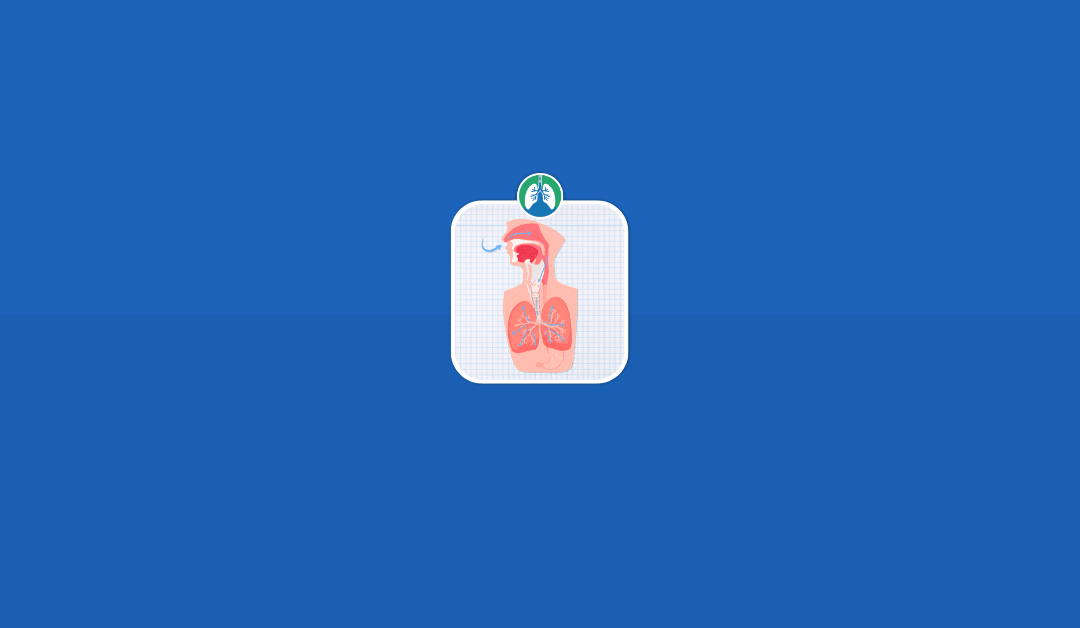
Learn the key differences between asthma and croup, including symptoms, causes, and how to recognize and treat each condition.
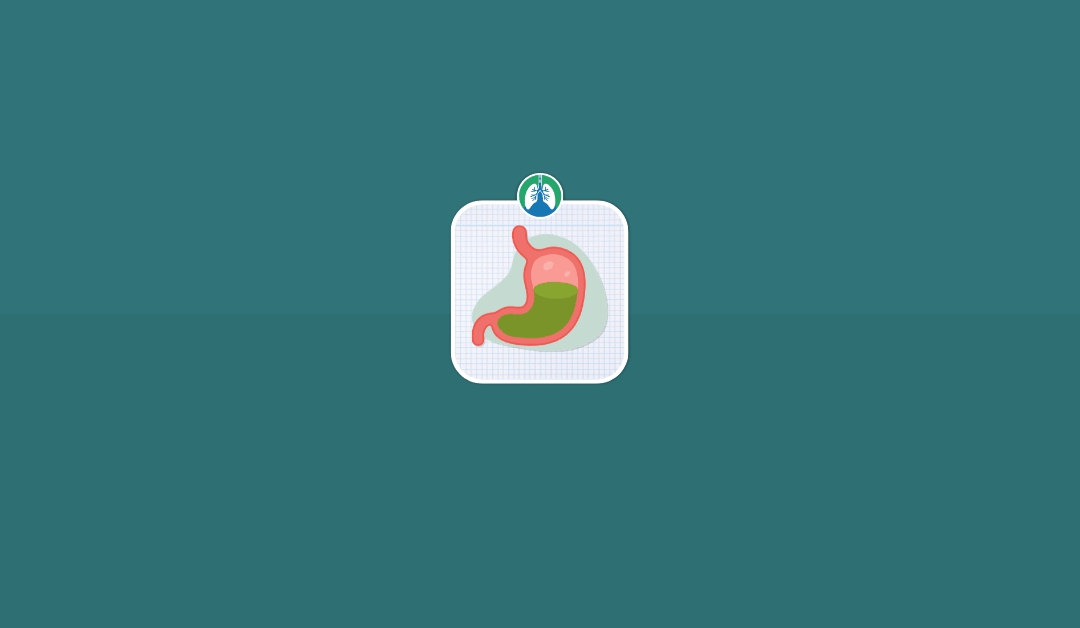
Learn how acid reflux can cause a cough with mucus, why it happens, and how to manage symptoms for better respiratory health.
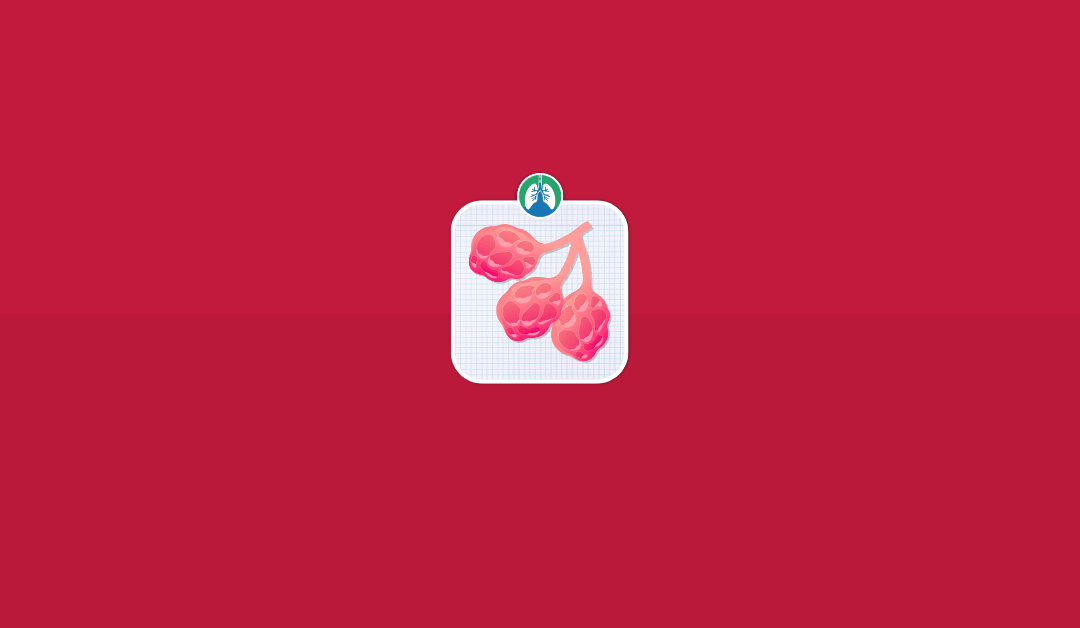
Learn about panlobular emphysema, its causes, symptoms, and how it affects lung function and gas exchange in COPD patients.

Learn what centrilobular emphysema is, its causes, symptoms, and how it affects the lungs and gas exchange in COPD patients.

Learn about refractory hypoxemia, its causes, pathophysiology, and treatments like PEEP, mechanical ventilation, and prone positioning.
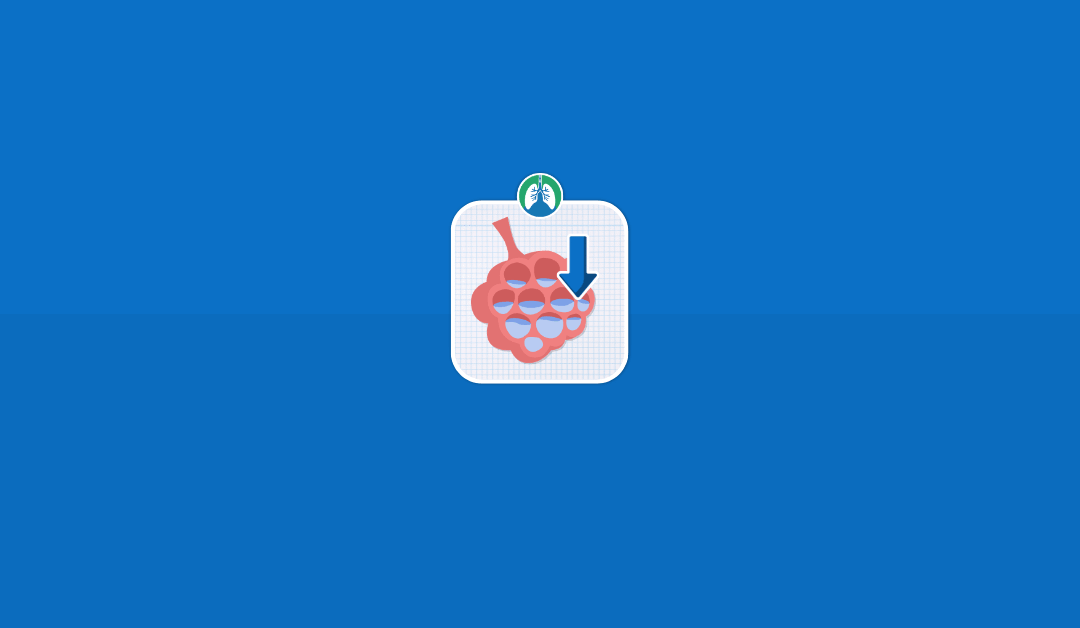
Learn what hypoxemia is, its causes, symptoms, and treatment, including V/Q mismatch, shunting, and impaired oxygen delivery.
Learn the causes of hypoxemia, including hypoventilation, V/Q mismatch, shunting, and diffusion problems, and how they affect oxygen levels.

Learn about the diseases that cause excessive mucus production, their symptoms, and when to seek care for better respiratory health.