Explore the health risks of inhaling burnt plastic fumes, which release toxic chemicals that can lead to short and long-term lung issues.


John Landry is a registered respiratory therapist from Memphis, TN, and has a bachelor’s degree in kinesiology. He enjoys using evidence-based research to help others breathe easier, live healthier, and improve their overall quality of life.

Explore the health risks of inhaling burnt plastic fumes, which release toxic chemicals that can lead to short and long-term lung issues.

Learn whether bronchiectasis can cause bad breath, why it happens, and what you can do to manage symptoms and improve respiratory health.

Learn how serious it is to be placed on a ventilator, including survival chances, risks, and what families should expect.
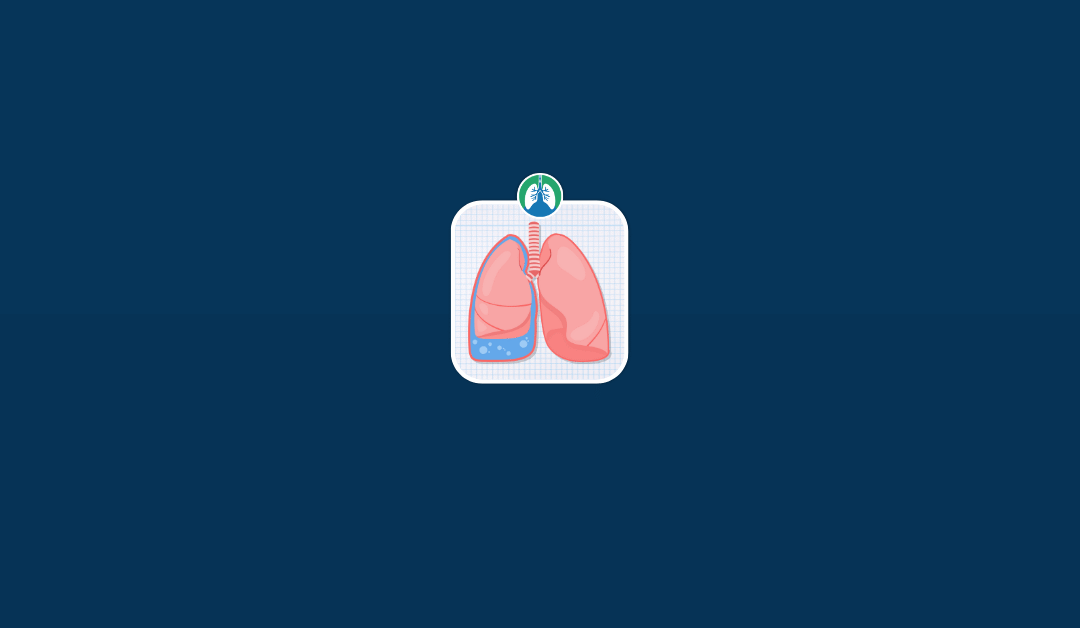
Learn the causes, treatments, and recovery tips for safely removing fluid from the lungs and restoring healthy breathing.
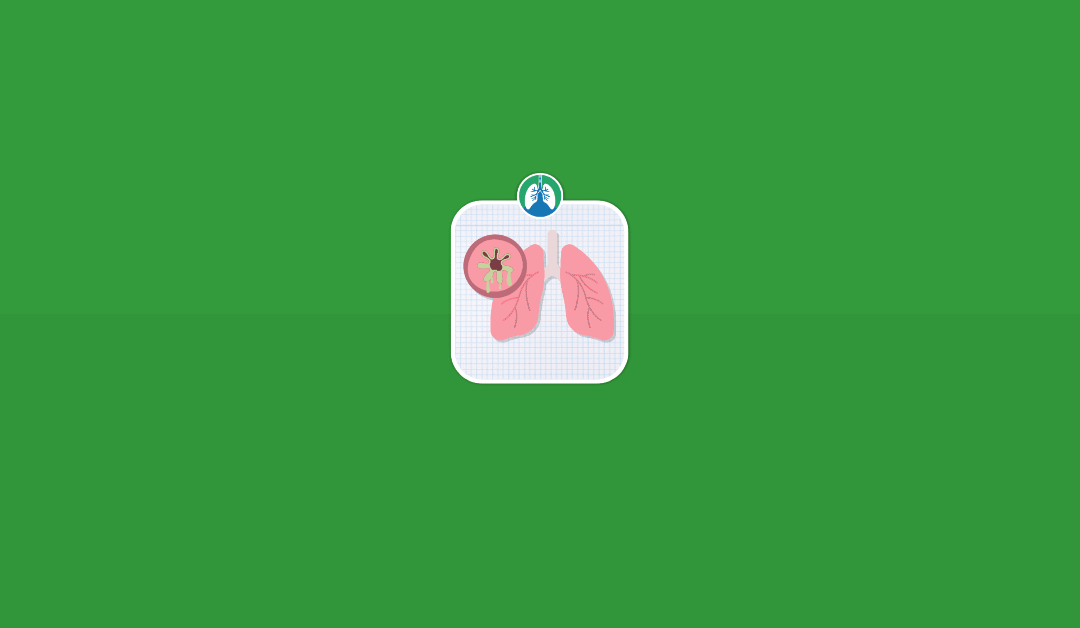
Learn about bronchiectasis, including causes, symptoms, diagnosis, treatment, and why it matters in respiratory care and clinical practice.
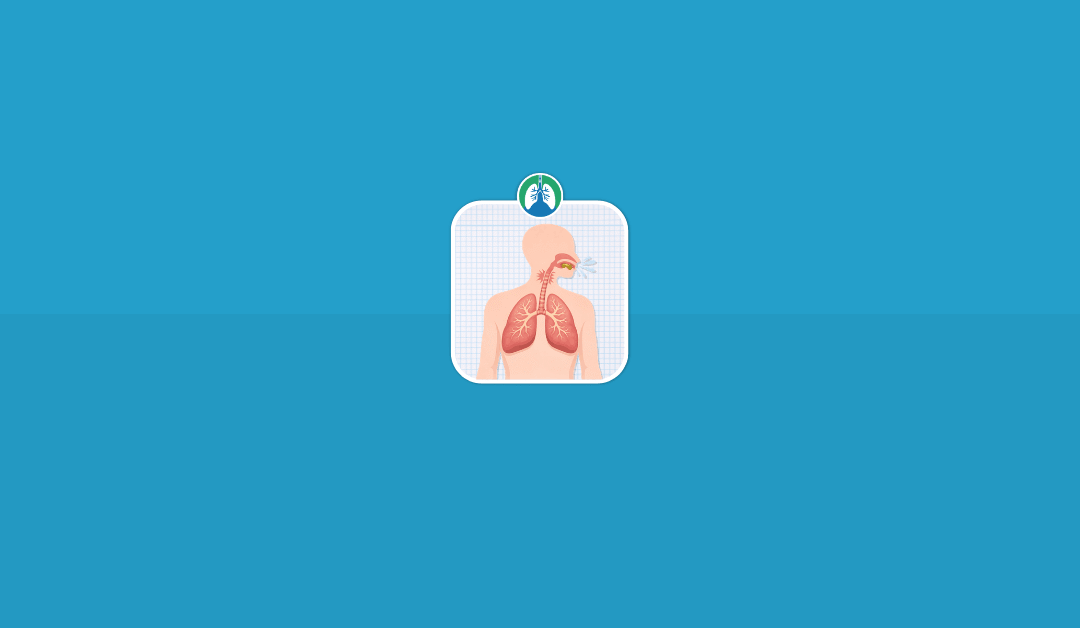
Learn what a COPD cough sounds like, including common symptoms, causes, and when to seek medical care for a persistent cough.
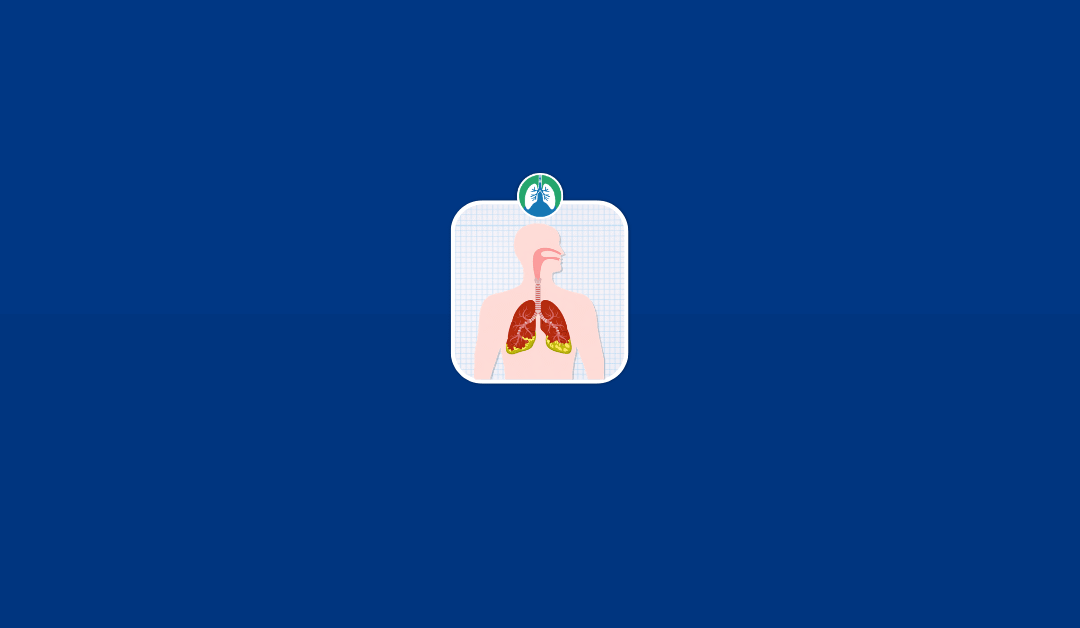
Learn what ARDS is, its causes, symptoms, diagnosis, and treatment, and why it’s important in respiratory care and critical care medicine.
Learn what pulmonary edema is, its causes, symptoms, and treatments, and why it’s important for respiratory therapists in clinical care.
Learn what chronic bronchitis is, its causes, symptoms, pathophysiology, and its role in respiratory care and management.
Learn what emphysema is, its causes, symptoms, pathophysiology, and why it matters in respiratory care and clinical practice.

Learn what COPD is and how it impacts respiratory care, including diagnosis, management, types, symptoms, treatment, and exacerbations.

Learn what congestive heart failure is, how it causes pulmonary edema, and why it matters in respiratory care practice.

Learn what shock is, its types, pathophysiology, and why it matters in respiratory care and critical care management.

Explore the most frequently asked questions (FAQs) about the Clinical Simulation Exam (CSE) for aspiring respiratory therapists.

Discover the answers to some of the most frequently asked questions from students concerning the TMC Exam.

Learn the common causes of constant throat mucus—postnasal drip, allergies, reflux—and proven tips to clear it for good.
Can mucus cause hearing loss? Learn how congestion and fluid buildup affect the ears and when to seek medical care for symptoms.

Discover the best On Cloud shoes for nurses and medical professionals, providing comfort, support, and style for long hours on your feet.

Explore the risk factors, symptoms, and treatments of a myocardial infarction (MI) and understand the urgency of heart attack care.
Explore the best drinks to remove mucus from the body, including water, herbal teas, and broths, and learn how they aid respiratory health.