Learn how to succeed in respiratory therapy school with practical study tips, organization strategies, and exam preparation advice.


John Landry is a registered respiratory therapist from Memphis, TN, and has a bachelor’s degree in kinesiology. He enjoys using evidence-based research to help others breathe easier, live healthier, and improve their overall quality of life.

Learn how to succeed in respiratory therapy school with practical study tips, organization strategies, and exam preparation advice.

Learn how liquid oxygen works, including storage, delivery, portability, safety risks, and use in home oxygen therapy.

Learn the essential clinical skills respiratory therapy students need during rotations, from patient assessment to ventilator care.
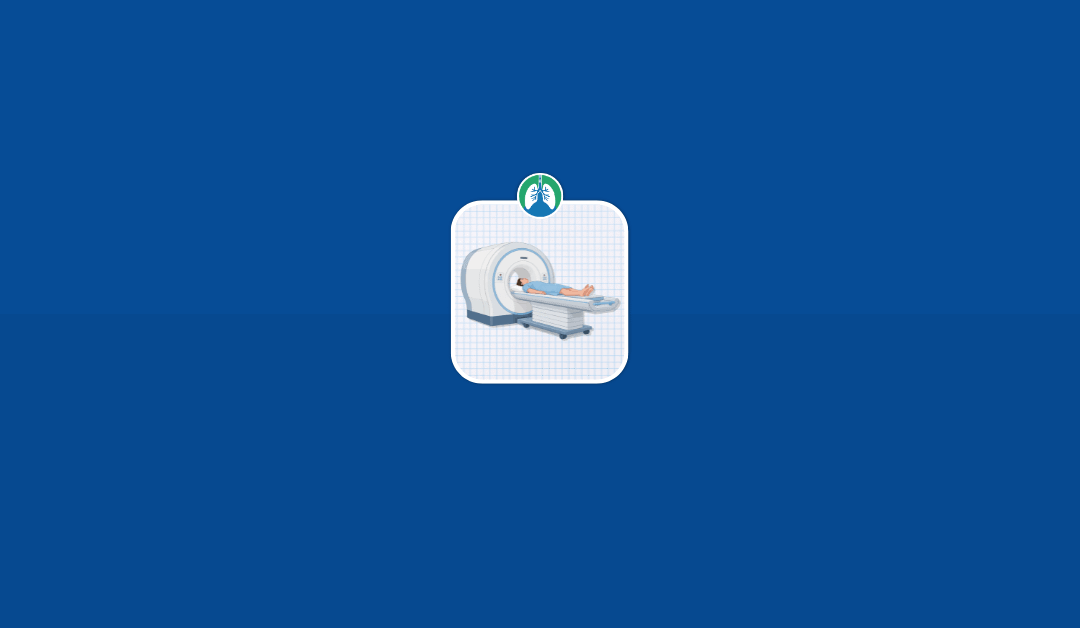
Learn how magnetic resonance imaging (MRI) works, when it’s used in respiratory care, and key safety concerns for ventilated patients.
Learn what a spontaneous breath is during mechanical ventilation, including patient effort, CPAP, pressure support, SIMV, and weaning.
Learn what a mandatory breath is during mechanical ventilation, including how it works, key modes, timing, and clinical importance.

Learn what lung parenchyma is, how it supports gas exchange, and how diseases can affect oxygenation, imaging, and ventilation.

Learn the difference between laminar and turbulent flow, including effects on airway resistance, work of breathing, and ventilation.
Learn about theophylline, including its respiratory uses, mechanism of action, side effects, toxicity risks, and monitoring needs.
Learn what causes volutrauma, why it occurs during mechanical ventilation, and how lung-protective strategies help reduce injury.
Learn how inverse ratio ventilation (IRV) improves oxygenation, when it is used, and why auto-PEEP and hemodynamic risks must be monitored.
Learn about intrapulmonary shunting, how it causes refractory hypoxemia, common causes, assessment clues, and treatment with PEEP.
Learn what intrapulmonary percussive ventilation (IPV) is, how it works, and when it is used for airway clearance and secretion removal.
Learn what intercostal spaces are, including their anatomy, clinical landmarks, role in breathing, and importance in procedures.
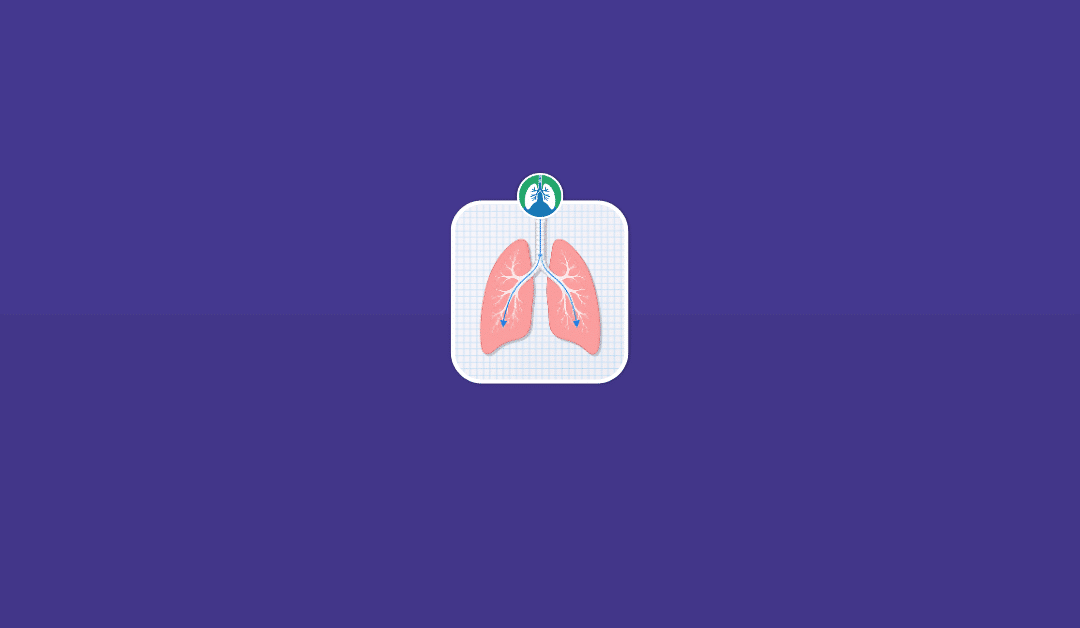
Learn what inspiratory flow rate means, how it affects ventilation, I:E ratio, air trapping, patient comfort, and aerosol delivery.
Learn about inhaled anti-infective agents, including uses, delivery methods, safety concerns, and respiratory care considerations.
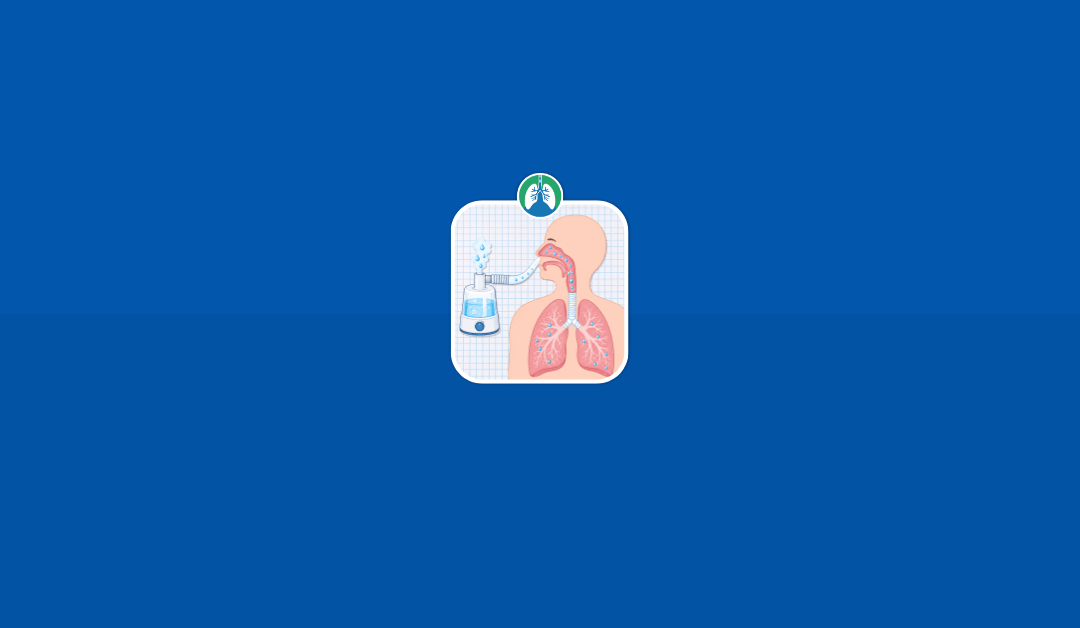
Learn how humidification therapy protects the airway, supports secretion clearance, and helps prevent complications during oxygen therapy.
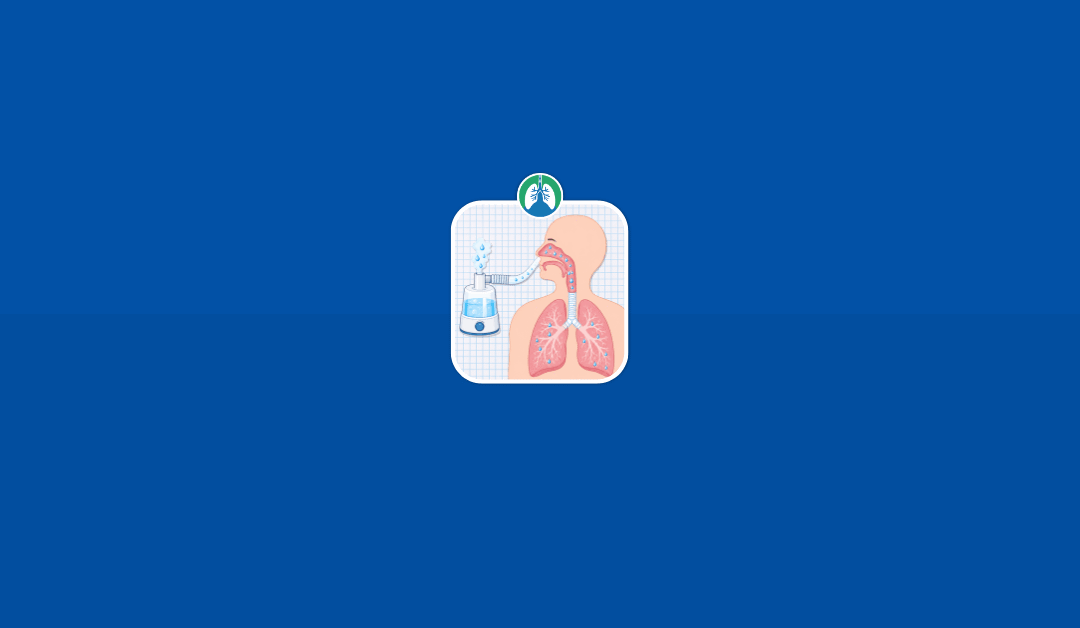
Learn about humidity and bland aerosol therapy, including indications, devices, secretion management, and the most common hazards.
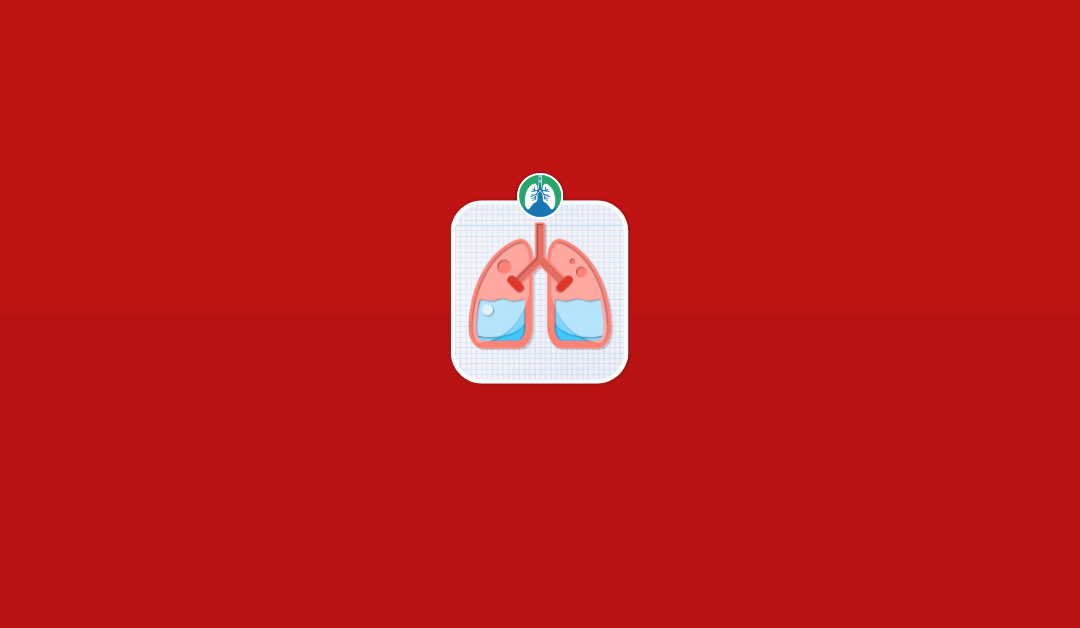
Learn about cardiogenic pulmonary edema, including causes, symptoms, diagnosis, oxygen therapy, CPAP, BiPAP, and treatment.
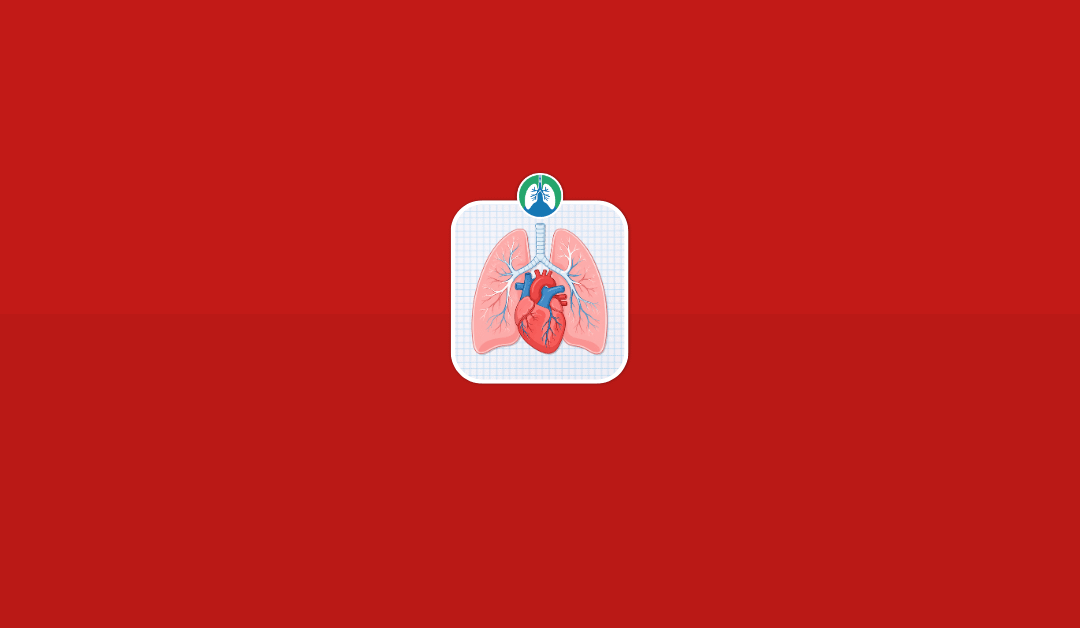
Learn cardiopulmonary pathology, including heart and lung diseases that affect airflow, gas exchange, circulation, and breathing.