
Respiratory Therapy Blog
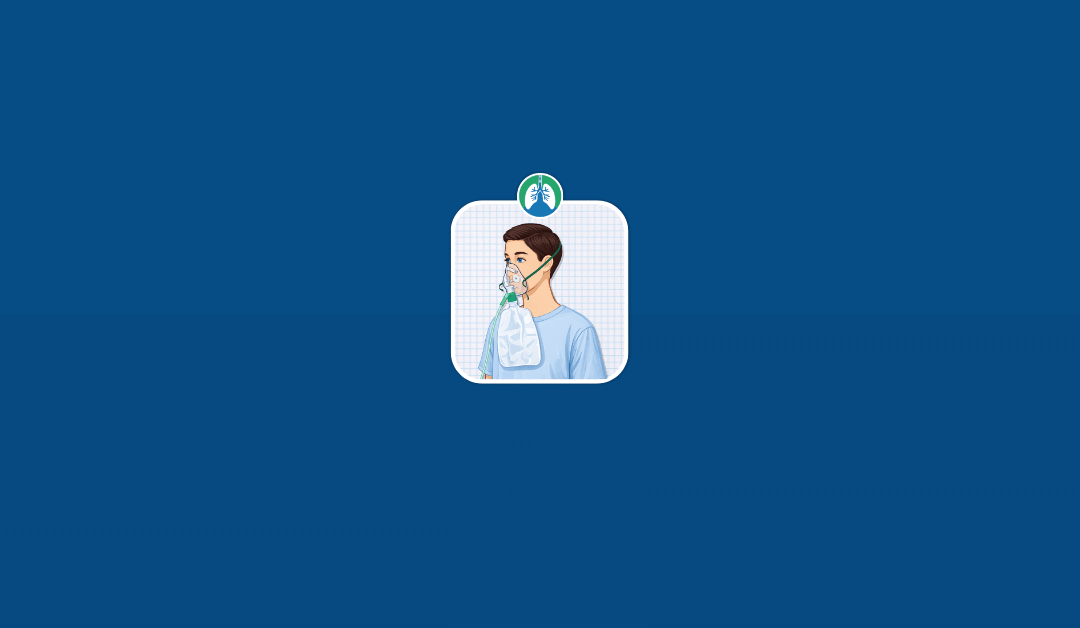
Nonrebreather Mask: Oxygen Delivery and Clinical Uses (2026)
Learn how the nonrebreather mask works, its FiO₂, uses, setup, and key clinical considerations for effective oxygen therapy.
Ribavirin for RSV: Uses, Risks, and Clinical Insights (2026)
Learn how ribavirin (Virazole) is used for RSV, including indications, administration, risks, and safety considerations in respiratory care.
Respiratory Syncytial Virus (RSV): A Clinical Review (2026)
Learn about respiratory syncytial virus (RSV), including causes, symptoms, pathophysiology, treatment, and prevention strategies.
Maximum Expiratory Pressure (MEP): An Overview (2026)
Learn about maximum expiratory pressure (MEP), how it’s measured, what it indicates, and its role in respiratory muscle strength and care.
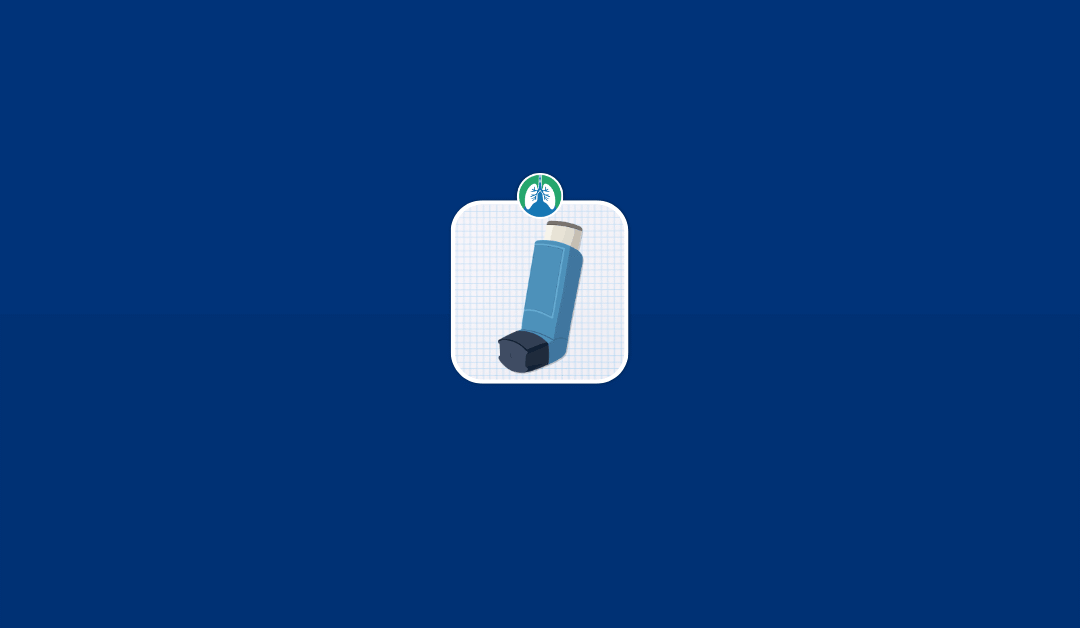
Metered-Dose Inhaler (MDI): Uses, Benefits, and Limitations
Learn how a metered-dose inhaler (MDI) works, proper technique, benefits, limitations, and tips for effective medication delivery.

Dry Powder Inhaler (DPI): Uses, Benefits, and Limitations
Learn how dry powder inhalers (DPIs) work, their uses, benefits, limitations, and proper technique for effective respiratory drug delivery.
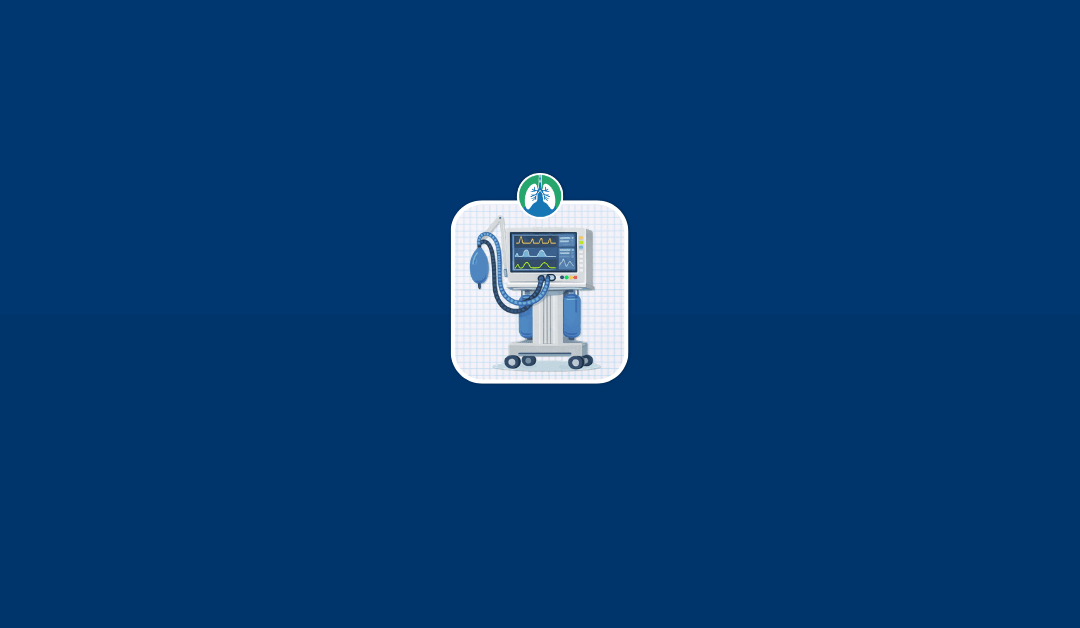
High-Frequency Oscillatory Ventilation (HFOV): An Overview
Learn about high-frequency oscillatory ventilation (HFOV), including how it works, key settings, benefits, and clinical uses.

How Long Does it Take to Become a Respiratory Therapist?
Learn how long it takes to become a respiratory therapist, including education, training, exams, and licensure timelines.

Master’s Degree in Respiratory Therapy: Jobs and Career Paths
Explore career paths with a master’s degree in respiratory therapy, including leadership, education, research, and advanced clinical roles.
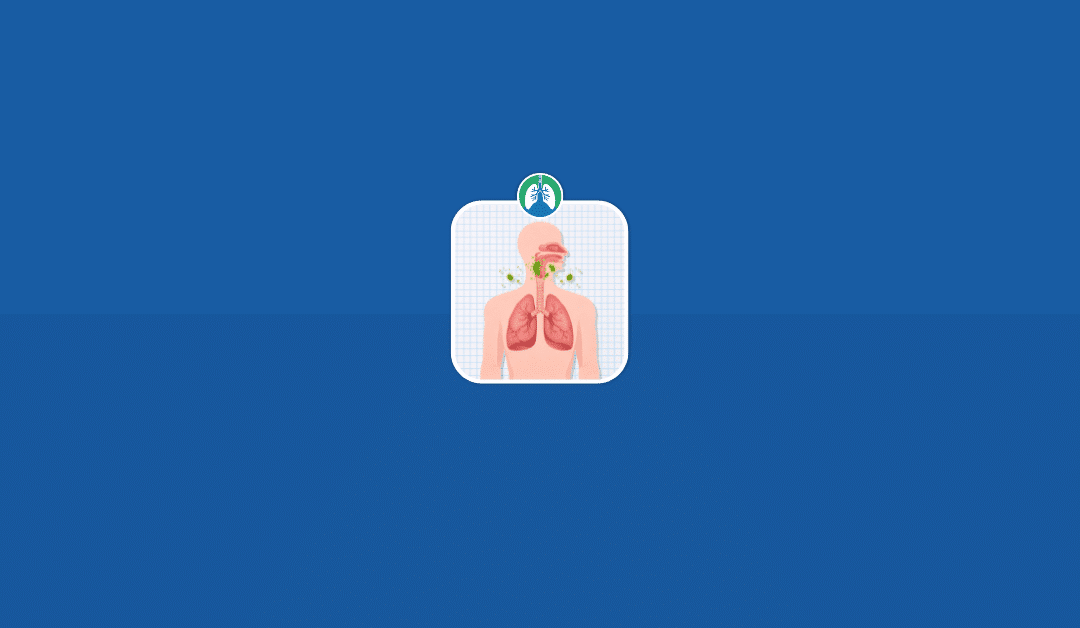
Types of Upper Respiratory Infections: Listed and Explained
Learn the types of upper respiratory infections, including symptoms, causes, and treatment options for better diagnosis and care.
Six-Minute Walk Test (6MWT): Purpose, Uses, and Results
Learn how the 6-minute walk test evaluates functional capacity, tracks disease progression, and helps guide treatment decisions.

Ultrasonic Nebulizer: Uses, Advantages, and Limitations
Learn how ultrasonic nebulizers work, their uses, benefits, limitations, and role in respiratory care and aerosol therapy.
Bite Block: Clinical Uses in Airway Management (2026)
Learn how a bite block protects airway devices, prevents obstruction, and improves patient safety during intubation and procedures.
Palpation for Respiratory Assessment and Diagnosis (2026)
Learn how palpation is used in respiratory assessment to evaluate chest expansion, fremitus, tracheal position, and detect abnormalities.
Laryngeal Mask Airway (LMA): Overview for Respiratory Care
Learn how the laryngeal mask airway (LMA) works, its uses, benefits, limitations, and role in airway management for respiratory care.
Intracranial Pressure (ICP): Management in Respiratory Care
Learn about intracranial pressure (ICP), its causes, effects on cerebral perfusion, and key strategies for monitoring and management.
Incentive Spirometry: A Guide for Clinical Practice (2026)
Learn how incentive spirometry improves lung expansion, prevents atelectasis, and supports recovery with proper technique and use.
Maximum Inspiratory Pressure (MIP): An Overview (2026)
Learn about Maximum Inspiratory Pressure (MIP), how it’s measured, normal values, and its role in assessing respiratory muscle strength.
Pulse Oximetry: A Guide to Monitoring Oxygen Saturation
Learn how pulse oximetry works, its clinical uses, normal ranges, limitations, and how to interpret SpO₂ accurately in patient care.
Barotrauma in Mechanical Ventilation: Causes and Management
Learn what barotrauma is, its causes, signs, and how to prevent and manage this serious complication of mechanical ventilation.