

Flying with pneumonia is a serious decision that requires careful consideration of your health and the potential risks involved. Pneumonia can cause symptoms such as shortness of breath, fatigue, chest pain, and fever, which may be worsened by the low oxygen levels and dry air inside an airplane cabin.
Whether you are traveling for business or personal reasons, understanding how flying can impact your condition is essential. This article explores the potential dangers, precautions to take, and when it might be safe to fly if you are recovering from or currently battling pneumonia.

Download our free guide that has over 100+ of the best tips for healthy lungs.
Can You Fly with Pneumonia?
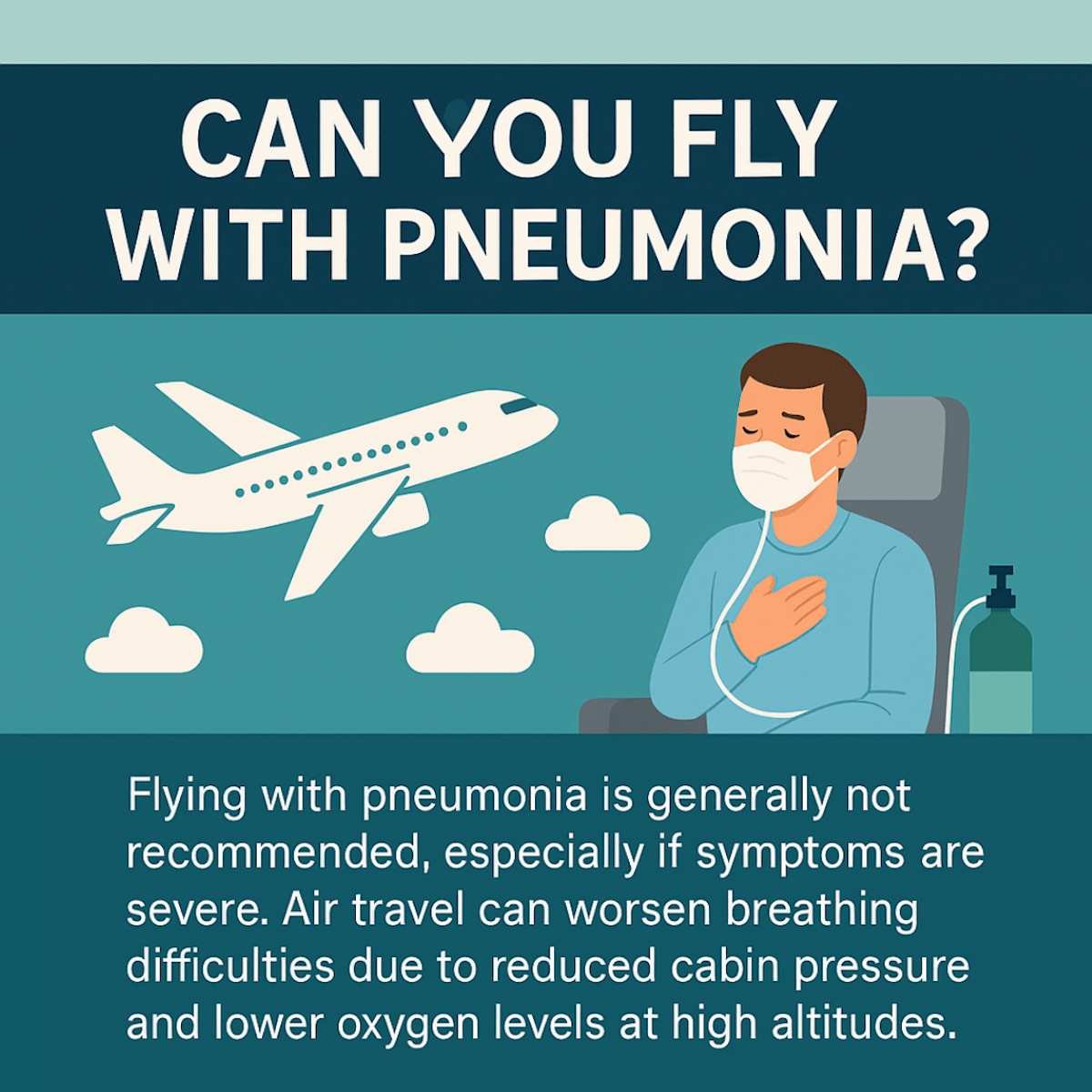
Flying with pneumonia is generally not recommended, especially if symptoms are severe. Air travel can worsen breathing difficulties due to reduced cabin pressure and lower oxygen levels at high altitudes.
Pneumonia compromises lung function, making it harder for your body to get enough oxygen, which can lead to increased fatigue, shortness of breath, and even serious complications during flight. If you have a fever, chest pain, or require supplemental oxygen, it’s best to delay travel until you are fully recovered.
Always consult with your doctor before flying, as they can assess your condition and determine if it’s safe. In some cases, with mild symptoms and proper precautions, short flights may be possible, but medical clearance is essential.
What is Pneumonia?
Pneumonia is an inflammatory condition of the lung tissue, primarily affecting the tiny air sacs known as alveoli. Typically, the alveoli are filled with air, but when someone has pneumonia, they may fill with pus and other liquid, leading to difficulty breathing, cough, and other symptoms.
Pneumonia can be caused by various microorganisms, including bacteria, viruses, and fungi. Symptoms often include coughing, fever, chills, fatigue, and difficulty breathing.
Treatment varies based on the cause and severity of the condition and may involve antibiotics, antivirals, or antifungals, along with supportive therapies like oxygen supplementation.
Note: Pneumonia is a potentially serious condition that can lead to complications and requires prompt medical attention.
Can Flying Exacerbate Pneumonia?
Yes, flying can exacerbate pneumonia for several reasons. Airplane cabins have lower levels of oxygen and lower air pressure compared to sea level, which can make breathing more difficult for individuals with respiratory issues. The cabin environment could potentially worsen symptoms and complications for someone with pneumonia.
Additionally, the recirculated air in the confined space of an airplane could make it easier to spread the infection to other passengers if the pneumonia is contagious.
Moreover, the stress and physical exertion of travel could strain the body, making it harder to fight off the infection. Therefore, it’s strongly advised to consult a healthcare provider before flying with pneumonia.
How to Avoid Getting Pneumonia
Avoiding pneumonia involves a multi-faceted approach that includes both lifestyle choices and medical precautions:
- Vaccination: Immunizations like the pneumonia vaccine and flu vaccine can significantly reduce your risk. These are especially important for infants, the elderly, and individuals with compromised immune systems.
- Good Hygiene: Wash your hands regularly with soap and water, or use an alcohol-based hand sanitizer. Avoid touching your face, especially your mouth and nose, with unwashed hands.
- Healthy Lifestyle: Eating a balanced diet rich in fruits, vegetables, and whole grains, exercising regularly, and getting adequate sleep can boost your immune system.
- Avoid Smoking: Smoking damages your lungs and increases your risk of respiratory infections, including pneumonia. If you smoke, seek help to quit.
- Limit Exposure: Steer clear of individuals who are sick, especially those with respiratory infections. Maintain social distance and use a mask in crowded places during flu season.
- Respiratory Etiquette: Always cover your mouth and nose with a tissue or elbow when coughing or sneezing. Dispose of tissues immediately and wash your hands.
- Alcohol Moderation: Excessive alcohol consumption can compromise your immune system and increase the risk of pneumonia.
- Workplace and Home Safety: Use appropriate personal protective equipment (PPE) in work environments that expose you to harmful chemicals or fumes. At home, ensure proper ventilation and avoid using products that can irritate your lungs.
- Travel Precautions: When traveling, especially to areas with known outbreaks of respiratory infections, take all necessary precautions such as vaccinations, masks, and hand sanitizers.
- Consult Healthcare Providers: Regular check-ups can help in early identification of conditions that might make you more susceptible to pneumonia, such as chronic obstructive pulmonary disease (COPD).
By adopting these practices, you can significantly reduce your risk of developing pneumonia.
How to Prevent Spreading Pneumonia While Traveling
Preventing the spread of pneumonia while traveling requires a combination of personal hygiene, medical intervention, and consideration for others.
Here are some tips to help minimize the risk:
- Consult a Doctor: If you have pneumonia or are experiencing symptoms, consult a healthcare provider for advice on whether it is safe and responsible for you to travel.
- Postpone Travel: If possible, postpone your travel plans until you have fully recovered to minimize the risk of spreading the infection and worsening your own condition.
- Wear a Mask: If travel is unavoidable, wearing a high-quality mask can help prevent the spread of airborne droplets that may contain infectious agents.
- Hand Hygiene: Wash your hands frequently with soap and water for at least 20 seconds, or use alcohol-based hand sanitizer. Avoid touching your face, especially your mouth, nose, and eyes.
- Disinfect Surfaces: Use disinfecting wipes to clean armrests, tray tables, and other surfaces you will touch during your journey.
- Avoid Close Contact: Maintain a safe distance from other travelers as much as possible. Opt for less crowded modes of transportation when you can.
- Use Tissues: Always use tissues when you cough or sneeze, and dispose of them immediately in a sealed trash bin. If tissues are not available, cough or sneeze into the crook of your elbow.
- Alert Crew Members: If you’re on a plane, train, or bus, discreetly inform crew members that you are recovering from pneumonia so they can take additional precautions if needed.
- Medication: Take all prescribed medications as directed by your healthcare provider to minimize symptoms and the risk of transmission.
- Notify Contacts: If you’ve been in close contact with people during your infectious period, consider notifying them so they can take preventive measures.
Note: By adhering to these guidelines, you can minimize the risk of spreading pneumonia to others while traveling. Always consult a healthcare provider for personalized advice tailored to your specific condition.
FAQs About Flying with Pneumonia
Why is Flying with Pneumonia Dangerous?
Flying with pneumonia is considered dangerous because the cabin environment in airplanes is not ideal for individuals with compromised lung function. The reduced cabin pressure leads to lower oxygen levels, which can make it harder to breathe and may worsen symptoms such as shortness of breath, fatigue, and chest pain. Pneumonia already affects your lungs’ ability to exchange oxygen, and flying can add additional strain.
Additionally, the confined space and shared air circulation in the cabin increase the risk of spreading infectious pathogens to other passengers. Physical stress, sleep disruption, and dehydration during air travel can also weaken your immune response, slowing recovery and increasing the chance of complications such as respiratory failure.
Is it Safe to Fly with a Chest Infection?
Flying with a chest infection is generally discouraged, especially if the infection is bacterial, viral, or causing significant symptoms such as coughing, wheezing, or fever. Airplane cabins have dry, pressurized air that can irritate your airways and worsen symptoms. This can make breathing more difficult and increase discomfort during the flight.
There’s also a heightened risk of transmitting the infection to other passengers through coughing or sneezing in such a confined space. Even with a mild chest infection, travel should be delayed until symptoms improve and a healthcare provider confirms it is safe to fly.
Note: Always consult a healthcare provider for personalized advice before air travel.
How Long After Pneumonia Can I Travel?
The recommended timeframe for safe travel after pneumonia depends on the severity of your illness, your recovery progress, and any underlying health conditions. In most cases, it’s advisable to wait until you have fully completed your treatment, have no fever, and your symptoms such as shortness of breath and fatigue have resolved.
Your doctor may perform a physical exam or order diagnostic tests such as a chest X-ray to ensure your lungs are functioning properly. This helps determine whether you’re physically fit to handle the stress of air travel. For some people, this could mean a few weeks of rest and recovery before flying again. For others, particularly those with chronic conditions, it might take longer.
Does Flying Make Chest Congestion Worse?
Yes, flying can worsen chest congestion because of the low humidity and reduced oxygen levels found in airplane cabins. These environmental factors can dry out your airways, thicken mucus, and make it more difficult for your lungs to clear secretions. As a result, coughing may increase, and your breathing could become more labored.
If you already have chest congestion, flying could aggravate your condition and lead to further complications, especially if you have underlying respiratory issues. Staying hydrated and avoiding travel until your symptoms improve is often the best course of action. Talk to a healthcare professional before planning your trip.
Final Thoughts
Traveling with pneumonia is a decision that should not be taken lightly. The stress of flying, combined with reduced oxygen levels and cabin pressure, can significantly strain your respiratory system and worsen your symptoms. If you’re experiencing anything more than mild discomfort, it’s best to postpone your trip until you’ve recovered.
Always speak with your healthcare provider before making travel plans, and follow their recommendations to ensure your safety. Prioritizing your health now can help prevent complications and ensure a smoother recovery.

Written by:
John Landry is a registered respiratory therapist from Memphis, TN, and has a bachelor's degree in kinesiology. He enjoys using evidence-based research to help others breathe easier and live a healthier life.
References
- Jain V, Vashisht R, Yilmaz G, et al. Pneumonia Pathology. [Updated 2023 Jul 31]. In: StatPearls [Internet]. Treasure Island (FL): StatPearls Publishing; 2023.
- Regunath H, Oba Y. Community-Acquired Pneumonia. [Updated 2022 Nov 15]. In: StatPearls [Internet]. Treasure Island (FL): StatPearls Publishing; 2023.