

The smell of burning plastic is something most people recognize immediately, whether it comes from overheated electronics, melting containers, or accidental fires. While the odor alone can be unpleasant, the real concern lies in the toxic fumes released when plastic burns.
These fumes can contain a mixture of harmful chemicals that may irritate the airways and potentially damage lung tissue when inhaled. Even brief exposure can trigger coughing, throat irritation, headaches, or shortness of breath.
Understanding how burnt plastic affects the respiratory system is important for protecting your health and knowing when exposure may pose a serious risk to your lungs.

Download our free guide that has over 100+ of the best tips for healthy lungs.
Is Inhaling Burnt Plastic Bad for Your Lungs?
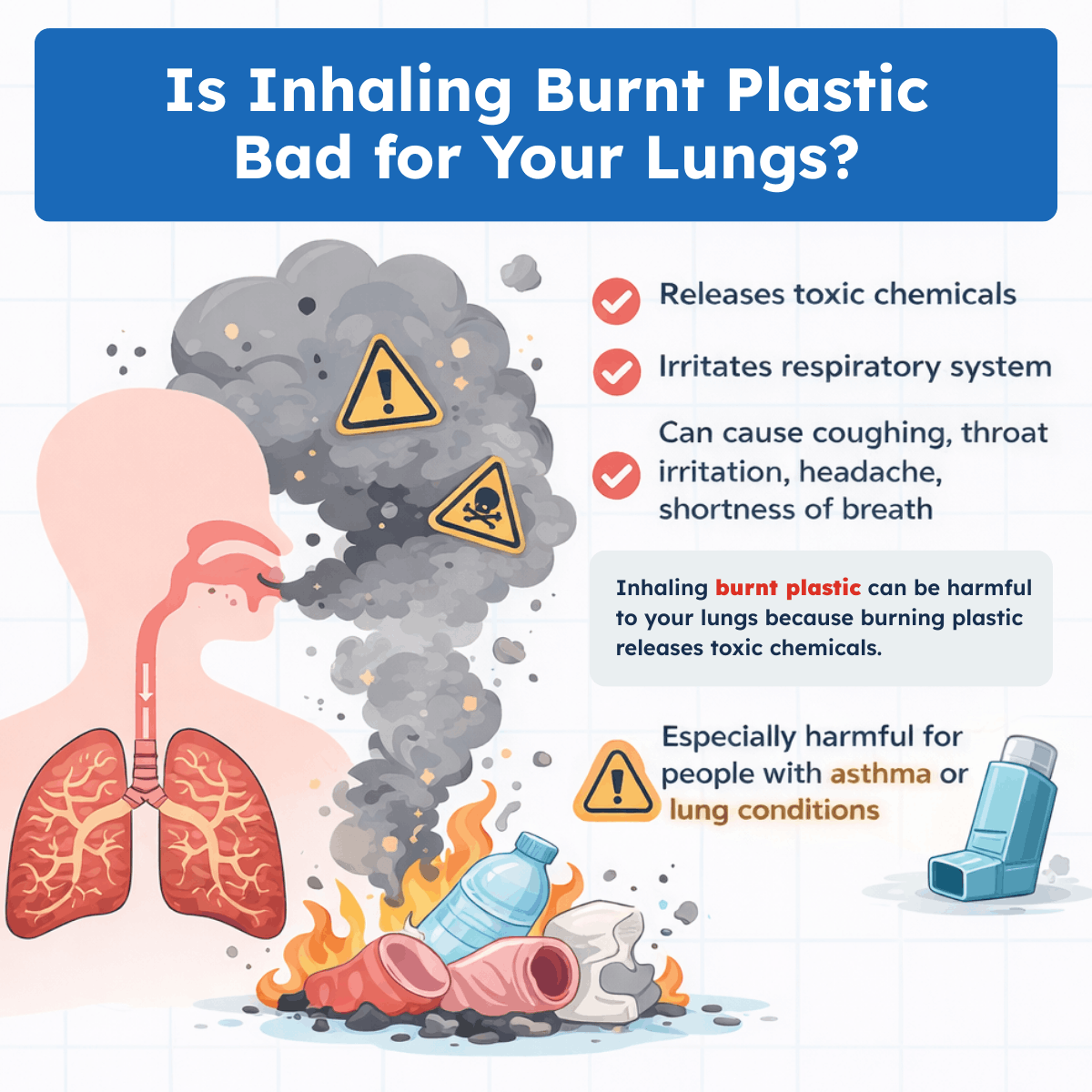
Yes, inhaling burnt plastic can be harmful to your lungs. When plastic burns, it releases a mixture of toxic gases and microscopic particles, including substances such as carbon monoxide, hydrogen chloride, dioxins, and other volatile chemicals.
These compounds can irritate the airways and lungs, leading to symptoms such as coughing, throat irritation, chest tightness, and shortness of breath. In some cases, exposure may also trigger headaches, dizziness, or nausea.
Repeated or prolonged exposure to plastic smoke can cause more serious respiratory problems, especially for people with asthma, COPD, or other lung conditions. The fine particles in the smoke can penetrate deep into the lungs and contribute to inflammation and tissue damage. For this reason, it is important to avoid inhaling fumes from burning plastic whenever possible.
Health Risks of Inhaling Burnt Plastic
Burning plastic releases toxic gases and fine particles that irritate airways, damage lung tissue, and increase disease risk. The severity depends on the type of plastic, the amount inhaled, and the duration of exposure.
Acute Respiratory Effects
Inhaling burnt plastic often causes immediate irritation of the nose, throat, and lungs. People may develop coughing, chest tightness, shortness of breath, and wheezing within minutes of exposure.
Many plastics release hydrogen chloride, acrolein, formaldehyde, carbon monoxide, and dioxins when burned. These chemicals inflame the lining of the respiratory tract. Even brief exposure can trigger bronchospasm, especially in people with asthma or reactive airway disease.
High concentrations in enclosed spaces can lead to headaches, dizziness, nausea, and confusion due to carbon monoxide. Severe exposure may cause chemical pneumonitis, a painful inflammation of lung tissue that sometimes requires emergency care.
Note: Symptoms can persist for hours or days, depending on the dose inhaled. Medical evaluation becomes important if breathing difficulty or chest pain develops.
Long-Term Lung Damage
Repeated or prolonged exposure increases the risk of chronic respiratory problems. Fine particulate matter from burnt plastic can penetrate deep into the lungs and lodge in the alveoli. Ongoing inflammation may contribute to chronic bronchitis, marked by persistent cough and mucus production. Some individuals develop reduced lung function over time, especially if exposure occurs in occupational or poorly ventilated settings.
Certain combustion byproducts, such as dioxins and polycyclic aromatic hydrocarbons (PAHs), can disrupt normal cellular repair. This disruption may promote scarring or long-term structural changes in lung tissue.
Note: People exposed regularly, such as waste burners or firefighters, show higher rates of respiratory symptoms. Protective equipment and ventilation significantly reduce these risks.
Cancer Risks
Burning plastic can release carcinogenic compounds, including benzene, vinyl chloride, dioxins, and PAHs. These substances can bind to DNA and interfere with normal cell regulation. Long-term exposure to such compounds increases the risk of lung cancer and other malignancies. The risk depends on cumulative exposure, duration, and the specific materials burned.
Dioxins, in particular, persist in the body and accumulate in fatty tissue. International health agencies classify several of these byproducts as known human carcinogens. Occasional brief exposure carries lower risk than repeated or occupational exposure. However, no level of inhaling toxic combustion products is considered completely safe.
Vulnerable Populations
Certain groups face higher risk from inhaling burnt plastic. Children breathe faster than adults and inhale more air relative to their body weight, which increases exposure to airborne toxins. Older adults and people with asthma, chronic obstructive pulmonary disease (COPD), or cardiovascular disease often experience more severe symptoms. Even mild smoke exposure can trigger serious breathing problems in these groups.
Pregnant individuals may also face added concern, as some combustion byproducts can cross the placenta. Prolonged exposure may affect fetal development.
Note: People living near open waste burning sites or working in recycling, firefighting, or manufacturing environments require stricter protective measures. Limiting exposure remains the most effective way to reduce health risk.
Toxic Compounds Released by Burnt Plastic
Burning plastic releases a complex mix of gases and particles that can irritate, inflame, and damage lung tissue. The exact chemicals depend on the type of plastic, the temperature of combustion, and the amount of oxygen present.
Common Toxic Chemicals
When plastic burns, it often releases carbon monoxide (CO), a colorless gas that reduces the blood’s ability to carry oxygen. Even short-term exposure in enclosed spaces can cause headache, dizziness, and shortness of breath.
Many plastics also emit volatile organic compounds (VOCs) such as benzene, toluene, and styrene. Benzene is a known carcinogen, while styrene can irritate the eyes, throat, and respiratory tract. These compounds easily enter the lungs through inhalation.
Burning plastic frequently produces hydrogen chloride gas, especially from polyvinyl chloride (PVC). This gas forms hydrochloric acid when it contacts moisture in the airways, which can lead to coughing, chest tightness, and airway inflammation.
Note: Fine and ultrafine particles are also released. These microscopic particles can travel deep into the lungs and may enter the bloodstream, increasing the risk of respiratory and cardiovascular problems.
Types of Plastics and Emissions
Different plastics release different toxic substances when burned. PVC, commonly used in pipes and vinyl products, emits hydrogen chloride and can generate dioxins under certain conditions.
Polystyrene, found in foam cups and packaging, releases styrene gas and other aromatic hydrocarbons when heated. These chemicals irritate the respiratory tract and may affect the nervous system with repeated exposure.
Polyethylene and polypropylene, used in bags and food containers, primarily produce carbon monoxide, aldehydes, and hydrocarbons when burned. Incomplete combustion increases the amount of harmful byproducts.
Note: Plastics that contain flame retardants or additives may release additional toxic compounds, including brominated chemicals and heavy metals. These substances can intensify the health risks associated with smoke inhalation.
Formation of Dioxins and Furans
Under low-oxygen or low-temperature burning conditions, certain plastics can form dioxins and furans. These are highly toxic, persistent environmental pollutants. PVC is a key source because it contains chlorine. When chlorine-containing materials burn in uncontrolled settings, such as open trash fires, they create conditions that favor dioxin formation.
Dioxins accumulate in body fat and break down slowly over time. Long-term exposure has been linked to cancer, immune system disruption, and reproductive harm.
Note: Although brief exposure to small amounts may not cause immediate symptoms, repeated or high-level inhalation increases health risks. Poor ventilation and enclosed spaces significantly raise the danger.
Immediate Symptoms of Exposure
Inhaling burnt plastic can cause rapid physical symptoms, especially in enclosed spaces with poor ventilation. The lungs, eyes, and nervous system often react within minutes of exposure to the smoke and chemical fumes.
Respiratory Irritation
Burning plastic releases toxic compounds such as hydrogen chloride, dioxins, and volatile organic compounds. When inhaled, these chemicals irritate the lining of the airways. Many people develop a burning sensation in the nose and throat within minutes. This irritation may trigger coughing, wheezing, or a tight feeling in the chest. Even brief exposure can inflame sensitive airway tissue.
People with asthma or chronic lung conditions face higher risk. Smoke can provoke bronchospasm, which narrows the airways and makes breathing more difficult. Symptoms may include shortness of breath, rapid breathing, or increased use of rescue inhalers.
Note: High levels of exposure can also cause hoarseness and persistent throat pain. In severe cases, airway swelling may require medical evaluation, particularly if breathing becomes labored or noisy.
Headaches and Nausea
Toxic fumes from melted or burning plastic often affect the nervous system. Chemicals released during combustion can reduce air quality and limit oxygen intake, contributing to neurological symptoms.
A dull or throbbing headache is common after even short-term exposure. Some individuals also report dizziness or lightheadedness, especially in poorly ventilated areas. Nausea may develop alongside headaches. Strong chemical odors can irritate the stomach and trigger vomiting in sensitive individuals.
Prolonged exposure increases the likelihood of fatigue and difficulty concentrating. These symptoms may persist for several hours after leaving the contaminated area, particularly if exposure was intense.
Allergic Reactions
Some individuals experience allergic-type reactions after inhaling burnt plastic fumes. These reactions occur more often in people with preexisting respiratory allergies or chemical sensitivities. Symptoms may include itchy eyes, sneezing, and nasal congestion. The eyes can become red and watery due to chemical irritation.
Skin reactions are less common but possible. Airborne particles may cause itching or mild rashes, particularly in people with eczema or reactive skin conditions.
In rare cases, exposure may trigger more serious reactions such as facial swelling or worsening asthma symptoms. Anyone who develops severe breathing difficulty, chest tightness, or swelling of the lips or throat should seek immediate medical care.
Occupational and Environmental Exposure
People face higher risks when burning plastic occurs in workplaces, homes, or shared environments. The level of harm depends on ventilation, duration of exposure, and the type of plastic involved.
Industrial Settings
Workers in manufacturing, recycling plants, waste management facilities, and fire response roles face the greatest risk of repeated exposure. Heating, cutting, or melting plastics such as PVC, polyurethane, and polystyrene releases gases and fine particles into the air.
Common emissions include hydrogen chloride, carbon monoxide, formaldehyde, benzene, and dioxins. Many of these irritate the respiratory tract or act as known carcinogens with long-term exposure. Poor ventilation increases concentration levels quickly. In enclosed spaces, fumes can exceed occupational exposure limits within minutes.
Employers often use local exhaust ventilation systems and provide respirators rated for chemical vapors and particulates. Without proper controls, workers may develop chronic cough, airway inflammation, reduced lung function, or occupational asthma. Regulatory agencies require air monitoring and protective equipment in high-risk settings. Compliance significantly lowers exposure but does not eliminate it entirely during accidental releases or equipment failure.
Household Incidents
Household exposure usually occurs during accidental burning. Common sources include overheated appliances, plastic left on stovetops, electrical fires, burning trash, or melting food containers in ovens.
When plastic burns indoors, toxic smoke accumulates quickly. Limited airflow allows irritants such as acrolein and hydrochloric acid to concentrate in living spaces.
Short-term symptoms often include:
- Burning eyes
- Throat irritation
- Headache
- Coughing
- Shortness of breath
Children, older adults, and people with asthma face greater risk because their airways are more sensitive. Opening windows and leaving the area reduces exposure. Lingering odors may indicate residual particles settled on surfaces, which can become airborne again when disturbed.
Even brief indoor exposure can trigger asthma attacks or bronchospasm in susceptible individuals. Prompt ventilation and removal of the burned material lowers continued risk.
Secondhand Smoke from Burning Plastic
Secondhand exposure occurs when one person inhales fumes generated by someone else burning plastic. This often happens in informal waste burning, backyard trash fires, or open burning in densely populated areas. Outdoor burning may seem less hazardous, but smoke can drift into nearby homes. Wind direction, humidity, and proximity strongly influence concentration levels.
Children living near frequent waste burning sites show higher rates of respiratory irritation and persistent cough. Fine particulate matter from plastic combustion penetrates deep into lung tissue. Unlike tobacco smoke, plastic smoke contains variable chemical mixtures depending on the material burned. This unpredictability makes health risk harder to assess, but does not reduce concern.
Note: Avoiding proximity to burning waste and supporting proper disposal systems significantly reduces secondhand exposure.
Emergency Response and First Aid
Quick action reduces lung irritation and limits further harm after inhaling burnt plastic fumes. Removing the person from exposure and monitoring breathing are the immediate priorities.
Steps to Take After Exposure
Move the person to fresh air immediately. Open windows and doors if indoors, or go outside away from the source of smoke. Loosen tight clothing and encourage slow, steady breathing. Avoid deep, forceful breaths, which can worsen coughing or airway irritation.
If particles or ash contact the skin, wash the area with soap and water. If fumes irritate the eyes, rinse them gently with clean, lukewarm water for several minutes. Do not induce coughing or use home remedies such as oils or alcohol inhalation. These methods can irritate the airways further.
Note: Monitor symptoms for several hours. Mild throat irritation, headache, or coughing often improve after fresh air exposure, but worsening symptoms require medical evaluation.
When to Seek Medical Attention
Seek immediate care if the person develops shortness of breath, chest tightness, wheezing, or persistent coughing. These symptoms may signal airway inflammation or chemical irritation. Call emergency services if there is confusion, fainting, bluish lips or fingertips, or severe breathing difficulty. These signs indicate reduced oxygen levels and require urgent treatment.
Individuals with asthma, chronic lung disease, or heart conditions should contact a healthcare provider even after mild exposure. Burnt plastic fumes can trigger delayed respiratory symptoms in vulnerable people.
Note: If symptoms persist beyond a few hours or worsen instead of improving, a medical professional should assess lung function and oxygen levels. Early evaluation helps prevent complications and guides appropriate treatment.
Preventive Measures and Safe Practices
People reduce the risk of inhaling burnt plastic fumes by handling plastic waste correctly and controlling indoor air quality. Simple, consistent actions limit exposure to toxic smoke and lower the chance of lung irritation or long-term harm.
Proper Disposal of Plastics
Burning plastic in fireplaces, wood stoves, fire pits, or open trash piles releases toxic chemicals such as dioxins, furans, and hydrogen chloride. These substances irritate the lungs and can persist in the air long after the fire goes out. Avoid burning plastic under any circumstances, even outdoors.
Dispose of plastic through local waste collection or recycling programs. Many communities accept common items such as bottles, containers, and packaging if they are clean and sorted properly. Check municipal guidelines to confirm which plastic types are recyclable.
For materials that cannot be recycled, place them in sealed trash bags and follow local solid waste procedures. Never mix plastic with yard waste or burn barrels.
Note: Parents and caregivers should also store plastic products away from heat sources. Space heaters, stovetops, and candles can melt plastic and create fumes without visible flames.
Reducing Indoor Air Pollution
Install and maintain working smoke detectors to catch accidental fires early. Early detection reduces the amount of smoke released and limits inhalation.
Keep plastic items away from ovens, radiators, and other high-heat appliances. Electrical malfunctions can also melt plastic insulation, so schedule routine inspections if wiring appears damaged or smells unusual. Use proper ventilation when cooking or using appliances that generate heat. Turn on exhaust fans and open windows when safe to do so.
Note: If plastic burns indoors, leave the area immediately and increase ventilation once it is safe. Avoid re-entering until smoke clears and the source has cooled completely.
FAQs About Inhaling Burnt Plastic and Lung Health
Does Heating Plastic Release Toxins?
Yes, heating plastic can release harmful chemicals into the air, especially when the material begins to melt or burn. Many plastics contain compounds that break down under high temperatures and produce toxic gases and microscopic particles.
Depending on the type of plastic, this may include substances such as carbon monoxide, hydrogen chloride, or volatile organic compounds. Inhaling these fumes can irritate the respiratory system and eyes.
Note: For this reason, plastics should never be burned intentionally and should be kept away from high heat sources whenever possible.
Is Burnt Plastic Toxic to Inhale?
Yes, burnt plastic is toxic to inhale because burning plastic releases a mixture of dangerous gases and fine particles. These fumes may contain substances that irritate or damage the respiratory tract when inhaled. Even brief exposure can cause symptoms such as coughing, throat irritation, headaches, or dizziness.
Prolonged or repeated exposure can be more harmful, especially for people with asthma, COPD, or other lung conditions. Because of these risks, it is important to avoid breathing in smoke or fumes from burning plastic whenever possible.
How Bad Is Inhaling Burnt Plastic?
Inhaling burnt plastic can range from mildly irritating to potentially dangerous, depending on the amount of smoke inhaled and the duration of exposure. Short exposure may cause symptoms such as coughing, throat irritation, or watery eyes.
However, larger exposures can introduce toxic chemicals into the lungs, leading to breathing problems, headaches, or nausea. Fine particles in the smoke can also reach deep into the lungs and trigger inflammation. Individuals with underlying respiratory conditions may experience more severe symptoms from even small amounts of exposure.
Can Inhaling Burning Plastic Make You Sick?
Yes, inhaling fumes from burning plastic can make you feel sick. The toxic gases and particles released during combustion can irritate the respiratory system and affect other parts of the body. People exposed to these fumes may experience symptoms such as coughing, chest discomfort, headaches, dizziness, nausea, or throat irritation.
In some cases, symptoms can appear quickly after exposure. If exposure is significant or symptoms become severe, it is important to move to fresh air immediately and seek medical attention if breathing problems persist.
What Do You Do If You Inhale Burning Plastic?
If you inhale burning plastic fumes, the first step is to move away from the source and get to fresh air as quickly as possible. Increasing ventilation by opening windows or leaving the contaminated area can help reduce exposure. Drinking water and resting may help relieve mild throat irritation.
However, if you experience symptoms such as severe coughing, dizziness, chest pain, or difficulty breathing, medical attention may be necessary. People with asthma or other lung conditions should be especially cautious and monitor their symptoms closely.
How to Avoid Inhaling Burnt Plastic?
The best way to avoid inhaling burnt plastic fumes is to prevent plastic from being exposed to high heat or open flames. Avoid burning plastic waste, and never place plastic items near stoves, heaters, or other heat sources that could cause them to melt.
Proper ventilation when using appliances or electronics can also reduce the buildup of fumes if plastic components overheat. Additionally, using appropriate containers for cooking and heating food can help minimize accidental exposure to melted or burned plastic materials.
How to Protect Yourself from Burnt Plastic Fumes?
Protecting yourself from burnt plastic fumes involves reducing exposure and improving air quality. If plastic begins to burn or melt, leave the area immediately and move to a space with clean, fresh air. Opening windows or increasing ventilation can help disperse harmful fumes.
Avoid touching or handling melted plastic while it is still producing smoke. If exposure occurs in an enclosed space, allowing the area to fully air out before returning is important.
Note: Wearing proper protective equipment may also be necessary in environments where exposure risks are higher.
Final Thoughts
Inhaling burnt plastic fumes is not something to take lightly, as the smoke can contain a variety of toxic chemicals that irritate and potentially damage the respiratory system. Even short-term exposure may cause symptoms such as coughing, throat irritation, headaches, or breathing discomfort, while repeated exposure can increase the risk of more serious lung problems.
Because these fumes can quickly affect air quality, it is best to move away from the source immediately and ensure proper ventilation. Protecting your lungs from harmful airborne toxins is essential for maintaining healthy breathing and preventing long-term respiratory complications.

Written by:
John Landry is a registered respiratory therapist from Memphis, TN, and has a bachelor's degree in kinesiology. He enjoys using evidence-based research to help others breathe easier and live a healthier life.
References
- Pathak G, Nichter M, Hardon A, Moyer E. The Open Burning of Plastic Wastes is an Urgent Global Health Issue. Ann Glob Health. 2024.