Learn about standard precautions, their role in infection control, and why they are essential for respiratory therapists and patient safety.


Learn about standard precautions, their role in infection control, and why they are essential for respiratory therapists and patient safety.

Learn whether the lungs can repair themselves, how lung healing works, and what factors influence recovery after injury or damage.

Learn the differences between dry and wet drowning, including symptoms, causes, and why rapid treatment is vital for survival and recovery.

Learn about drowning, its pathophysiology, respiratory complications, and management strategies for improving patient outcomes.

Learn how water vapor pressure affects pulmonary physiology, gas exchange, humidification, and oxygen delivery in respiratory care.

Learn how the Haldane effect influences CO₂ transport, gas exchange, and oxygen therapy in respiratory care and clinical practice.

Why is your humidifier making noise? Discover common causes and easy fixes to keep your humidifier running quietly and efficiently.

Learn what work of breathing is, what increases it, and why it’s important in respiratory care and ventilator management.

Learn whether DuoNeb is a bronchodilator, how it works to open airways, and how it helps treat COPD, asthma, and bronchospasm symptoms.

Learn if the ketogenic diet may help improve asthma symptoms, reduce inflammation, and support better breathing and overall asthma control.

Learn what erythrocytes (red blood cells) are, their role in oxygen transport, and why they are important in respiratory care.
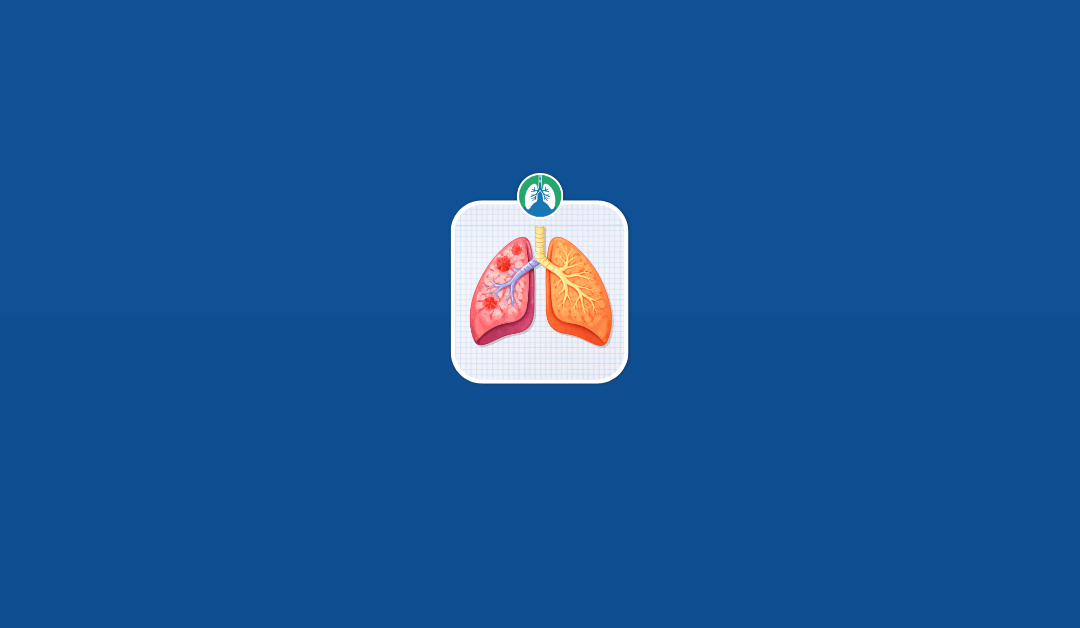
Learn whether asthma can turn into COPD and how long-term asthma may lead to lasting airway damage and COPD-like symptoms.

Learn what you can safely add to humidifier water, which additives to avoid, and how to protect respiratory health and indoor air quality.

Learn what coughing up lumps of jelly means, common causes, and when thick, jelly-like mucus may signal a serious health issue.

Learn what cardiac tamponade is, how it affects breathing and circulation, and why early recognition is critical in respiratory care.

Learn how nebulizers work, their types, performance factors, infection risks, and why they are essential in respiratory care.

Learn the key differences between labored and unlabored breathing and how each pattern signals normal breathing or respiratory distress.
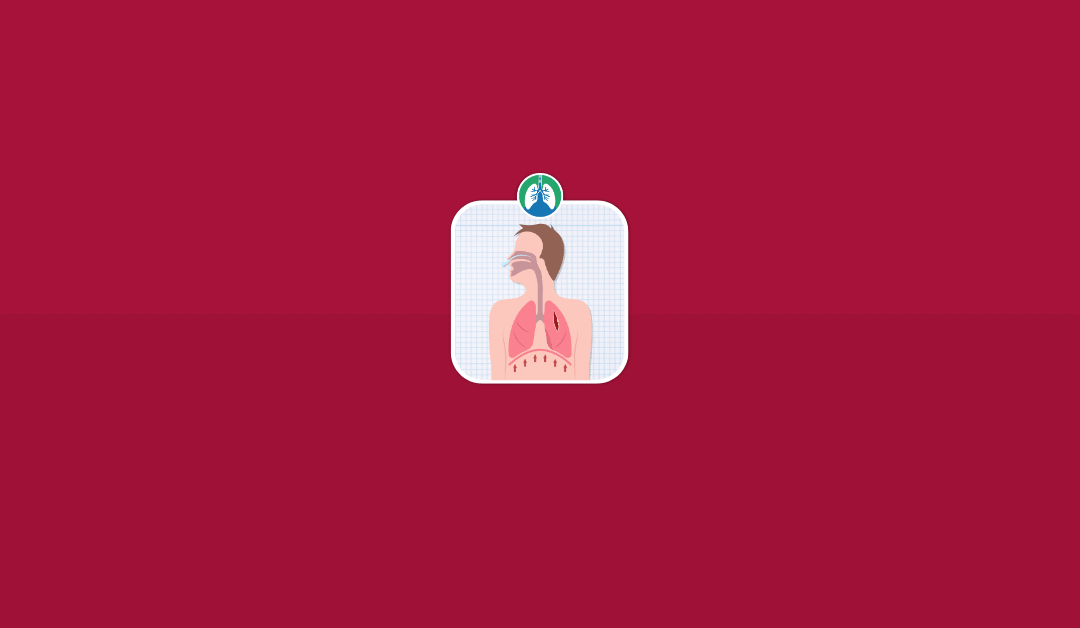
Learn what chest trauma is, common injury types, and why it is critical to respiratory care, ventilation, and patient outcomes.

Learn how a bronchoprovocation study detects airway hyperreactivity, aiding in the diagnosis and management of asthma.

Learn what the methacholine challenge test is, how it works, and why it’s important in diagnosing asthma and airway hyperresponsiveness.