
Learn about polycythemia, its causes, symptoms, and treatment, and how it affects oxygen transport and cardiopulmonary function.
Results for "practice questions"
Do Not Resuscitate (DNR) Order: A Clinical Overview (2026)
Learn what a do not resuscitate (DNR) order means, including ethics, patient rights, and how it guides care decisions in clinical practice.
Respiratory Rate: Clinical Relevance in Patient Assessment
Learn how respiratory rate reflects ventilation, guides care, and signals early deterioration in patients across clinical settings.
Needle Decompression for Tension Pneumothorax: An Overview
Learn when and how to perform needle decompression for a tension pneumothorax, including signs, steps, and emergency management principles.
Cystic Fibrosis: Pathophysiology and Clinical Overview
Learn about cystic fibrosis, including causes, symptoms, diagnosis, and treatment strategies for managing this chronic genetic disease.
Aspiration in Respiratory Care: Causes and Prevention (2026)
Learn about aspiration, including the causes, risk factors, complications, and prevention strategies to improve patient outcomes.

Ventilator Troubleshooting: Step-by-Step Clinical Approach
Learn ventilator troubleshooting with a step-by-step approach to alarms, waveforms, and patient assessment for safe, effective ventilation.

Hypertension: Clinical Assessment in Respiratory Care (2026)
Learn the causes, diagnosis, and management of hypertension, including symptoms, risk factors, and its impact on cardiopulmonary health.
Persistent Pulmonary Hypertension of the Newborn (PPHN)
Learn about PPHN in newborns, including causes, symptoms, diagnosis, and treatment strategies to improve oxygenation and outcomes.
Inhaled Nitric Oxide (iNO): Clinical Use in Respiratory Care
Learn how inhaled nitric oxide (iNO) improves oxygenation, its uses in PPHN, dosing, monitoring, and risks in respiratory care.

Sleep Disorders: Diagnosis and Treatment in Respiratory Care
Sleep physiology involves the study of sleep and how to care for patients with sleep disorders, such as sleep apnea.

Pneumonia: Pathophysiology and Clinical Management Guide
Learn about pneumonia, including causes, symptoms, diagnosis, and treatment, plus key respiratory care strategies for effective management.
Influenza (Flu): Clinical Overview and Respiratory Care Guide
Learn about influenza, including symptoms, causes, and prevention strategies to reduce complications and improve respiratory outcomes.
Base Excess (BE) in ABGs: Interpretation and Clinical Guide
Learn how base excess (BE) helps interpret ABGs, identify metabolic disorders, assess severity, and guide treatment in clinical practice.
Trendelenburg Position: Clinical Uses and Applications
Learn about the Trendelenburg position, including its uses, risks, physiological effects, and role in airway clearance and clinical care.
D-Dimer Test: Clinical Interpretation and Diagnostic Use
Learn how the D-dimer test helps rule out pulmonary embolism (PE) and DVT, and when further imaging is needed for diagnosis.

Heart Rate: Physiology and Assessment in Respiratory Care
Learn what heart rate is, normal ranges, causes of tachycardia and bradycardia, and how it impacts oxygen delivery and patient care.
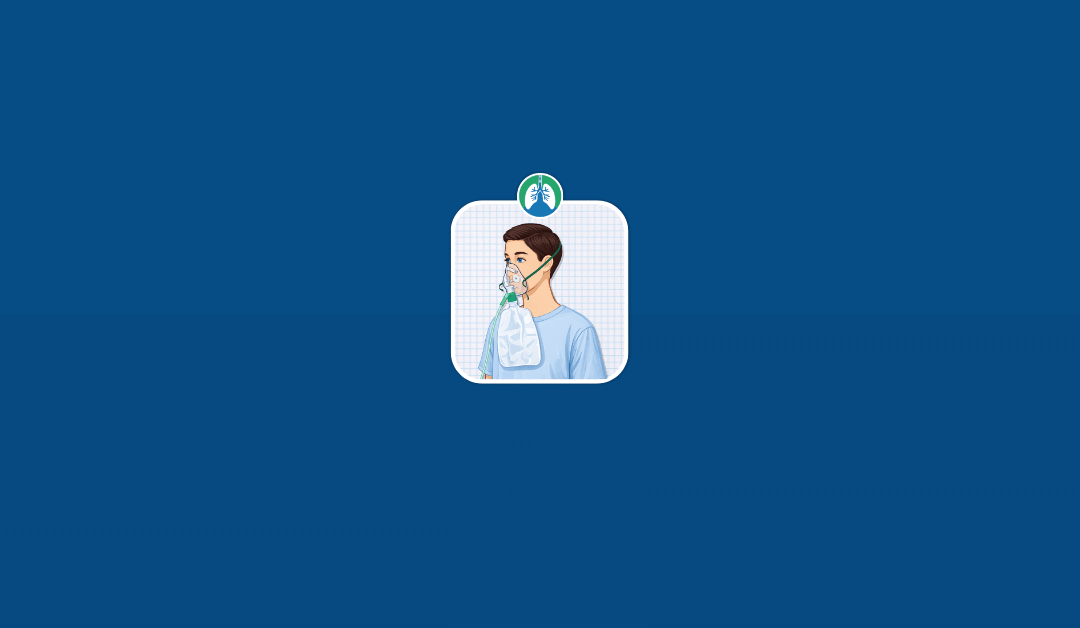
Nonrebreather Mask: Oxygen Delivery and Clinical Uses (2026)
Learn how the nonrebreather mask works, its FiO₂, uses, setup, and key clinical considerations for effective oxygen therapy.
Ribavirin for RSV: Uses, Risks, and Clinical Insights (2026)
Learn how ribavirin (Virazole) is used for RSV, including indications, administration, risks, and safety considerations in respiratory care.
Respiratory Syncytial Virus (RSV): A Clinical Review (2026)
Learn about respiratory syncytial virus (RSV), including causes, symptoms, pathophysiology, treatment, and prevention strategies.