Learn what a pulmonary embolism is, how it affects breathing and circulation, and why early recognition is critical in respiratory care.


Learn what a pulmonary embolism is, how it affects breathing and circulation, and why early recognition is critical in respiratory care.

Learn what pulmonary hypertension is, how it affects the lungs and heart, and why it is critical in respiratory care practice.
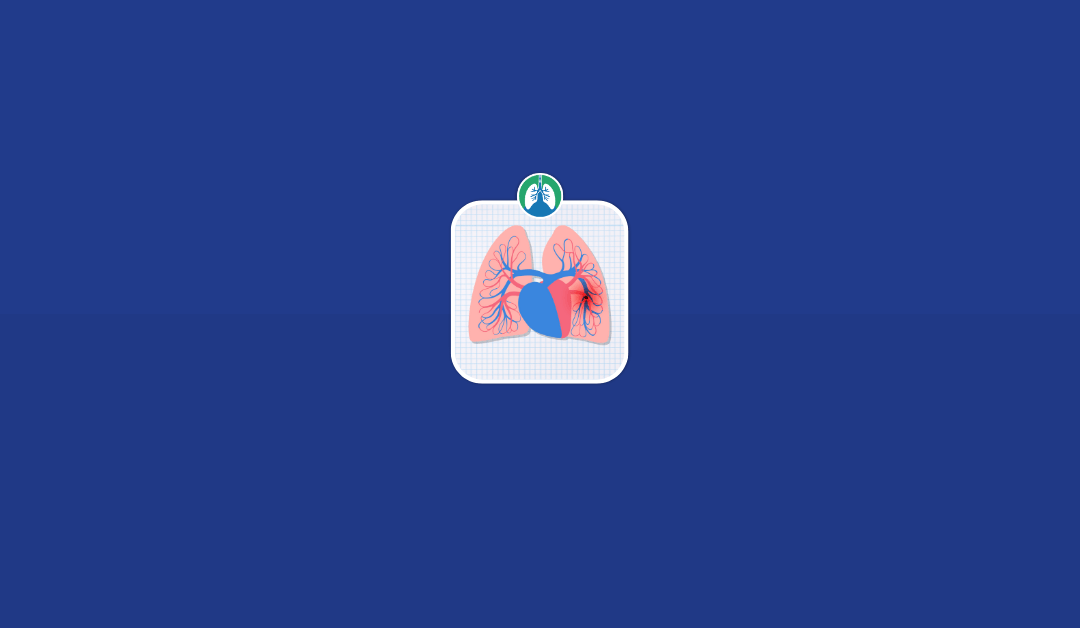
Learn about pulmonary vascular disease, including types, pathophysiology, and why it matters to respiratory therapists and respiratory care.

Learn what pleural diseases are, common types, causes, and why they matter in respiratory care and clinical practice.

Learn what cyanosis is, its causes, and why it matters in respiratory care, including assessment, types, and clinical significance.
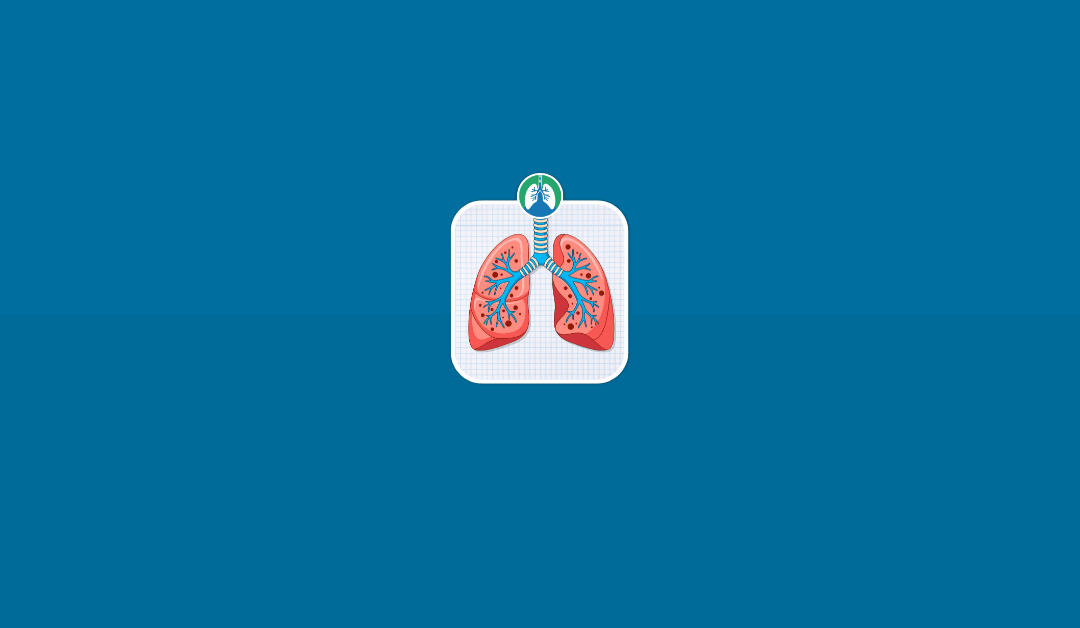
Learn what interstitial lung disease is, its causes, imaging features, and why it’s important in respiratory care and therapy practice.

Learn what a hemothorax is, its causes, symptoms, and why it matters in respiratory care and patient management.

Boost your ABG interpretation skills with these practice questions and answers on acid-base balance, oxygenation, and sampling techniques.
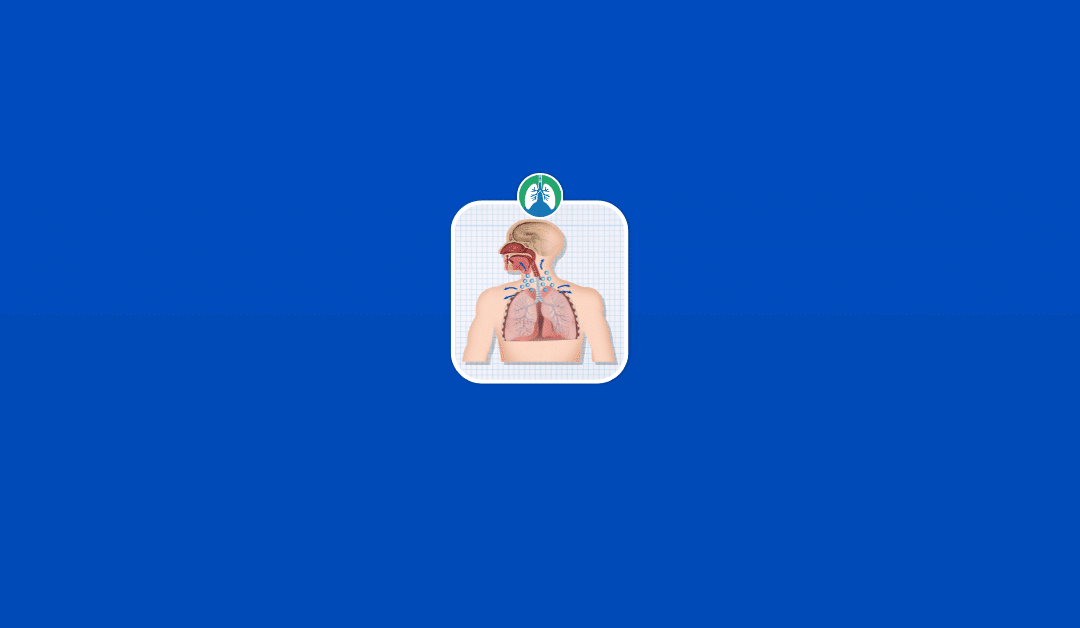
Learn what subcutaneous emphysema is, its causes, clinical signs, and why it matters in mechanical ventilation and respiratory care.

Learn about acute bronchitis, including causes, symptoms, treatment, and why it is important in respiratory care and clinical practice.

Learn what vesicular breath sounds are, how they form, and why changes in these soft, low-pitched sounds can signal early lung problems.
Learn what bronchovesicular breath sounds are, where they’re normally heard, and why their presence elsewhere may signal early lung disease.

Learn what bronchial breath sounds are, how they form, and why hearing them in the lung periphery signals consolidation or atelectasis.

Learn what a pleural friction rub is, how it forms, and why this grating breath sound signals pleural inflammation needing evaluation.

Learn what diminished breath sounds mean, why they occur, and how they help identify airflow issues or pleural space problems in patients.
Learn what stridor is, why it occurs, and how to recognize dangerous upper airway obstruction for faster, more effective respiratory care.
Learn what rhonchi are, how they form, and what they reveal about mucus obstruction to improve respiratory assessment and patient care.
Learn what crackles are, why they occur, and how to assess them to better identify respiratory conditions during patient evaluation.

Learn what wheezing means, how it’s produced, and what conditions cause it to improve respiratory assessments and clinical decision-making.

Learn what the sternum is, how it supports breathing, and why it’s an essential structure for respiratory therapists and patient care.