Learn key mechanical ventilation tips, concepts, and strategies to prepare for and pass the respiratory therapy board exam.


Learn key mechanical ventilation tips, concepts, and strategies to prepare for and pass the respiratory therapy board exam.

Learn key pharmacology tips for the respiratory therapy board exam, including drug classes, delivery devices, and treatment strategies.

Learn how to pass the TMC Exam with proven study tips, practice strategies, and test-taking advice for respiratory therapy students.
Master atelectasis for the respiratory therapy board exam with high-yield tips, causes, imaging clues, and treatment strategies.

Failed the NBRC exam? Discover practical tips and study strategies to improve your preparation and pass the respiratory therapy board exam.

Learn how serious it is to be placed on a ventilator, including survival chances, risks, and what families should expect.
Learn the causes, treatments, and recovery tips for safely removing fluid from the lungs and restoring healthy breathing.
Learn about bronchiectasis, including causes, symptoms, diagnosis, treatment, and why it matters in respiratory care and clinical practice.
Learn what ARDS is, its causes, symptoms, diagnosis, and treatment, and why it’s important in respiratory care and critical care medicine.
Learn what pulmonary edema is, its causes, symptoms, and treatments, and why it’s important for respiratory therapists in clinical care.
Learn what chronic bronchitis is, its causes, symptoms, pathophysiology, and its role in respiratory care and management.
Learn what emphysema is, its causes, symptoms, pathophysiology, and why it matters in respiratory care and clinical practice.

Learn what COPD is and how it impacts respiratory care, including diagnosis, management, types, symptoms, treatment, and exacerbations.
Learn what congestive heart failure is, how it causes pulmonary edema, and why it matters in respiratory care practice.

Learn what shock is, its types, pathophysiology, and why it matters in respiratory care and critical care management.

Explore the most frequently asked questions (FAQs) about the Clinical Simulation Exam (CSE) for aspiring respiratory therapists.
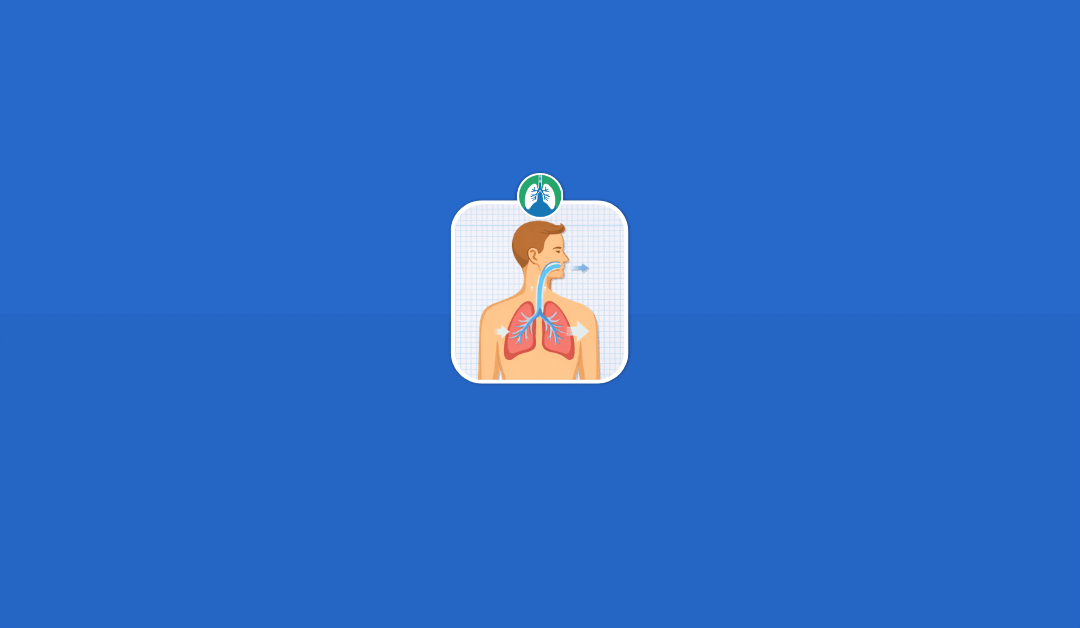
Learn what flow rate is in respiratory care and how it impacts ventilation, oxygen therapy, aerosol delivery, and patient outcomes.
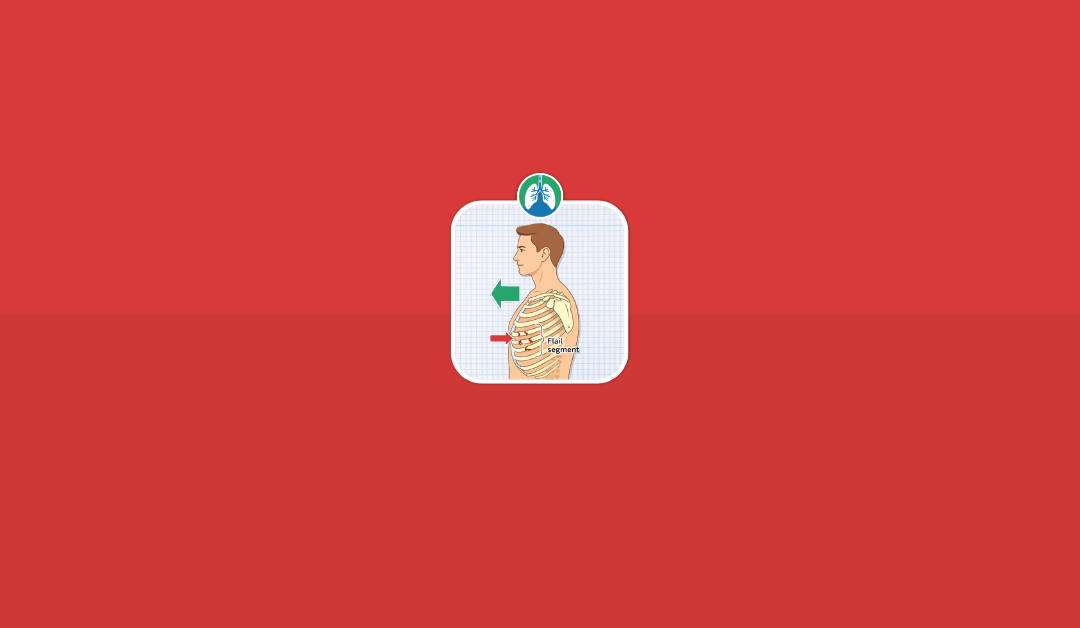
Learn what flail chest is, how it impairs breathing, and why respiratory therapists play a critical role in managing this injury.
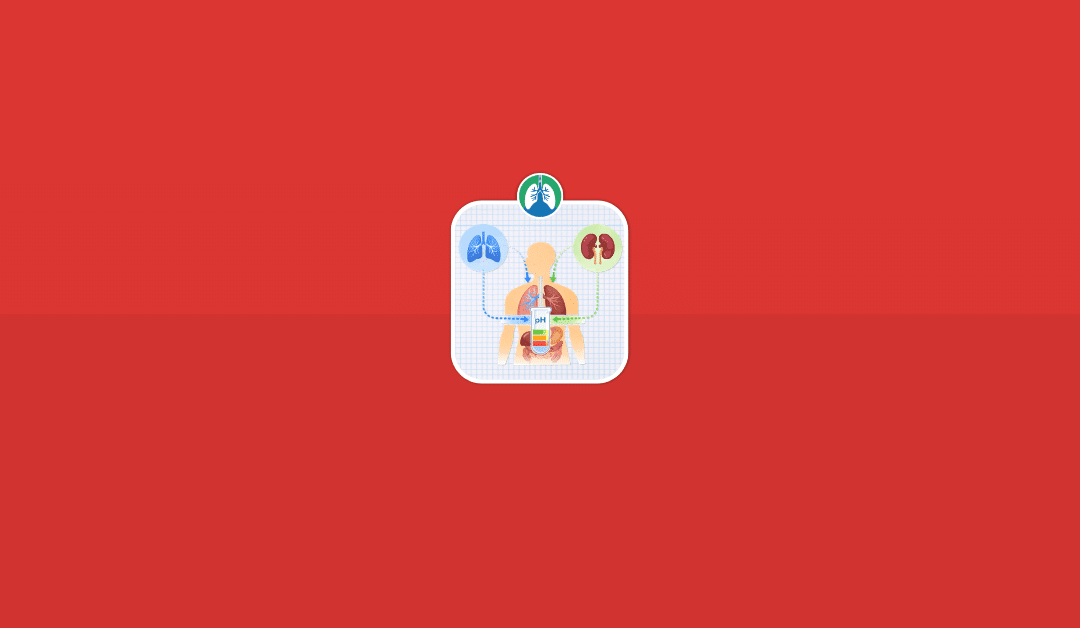
Learn how to identify mixed acid-base disorders using ABG interpretation, compensation rules, and clinical examples in critical care.
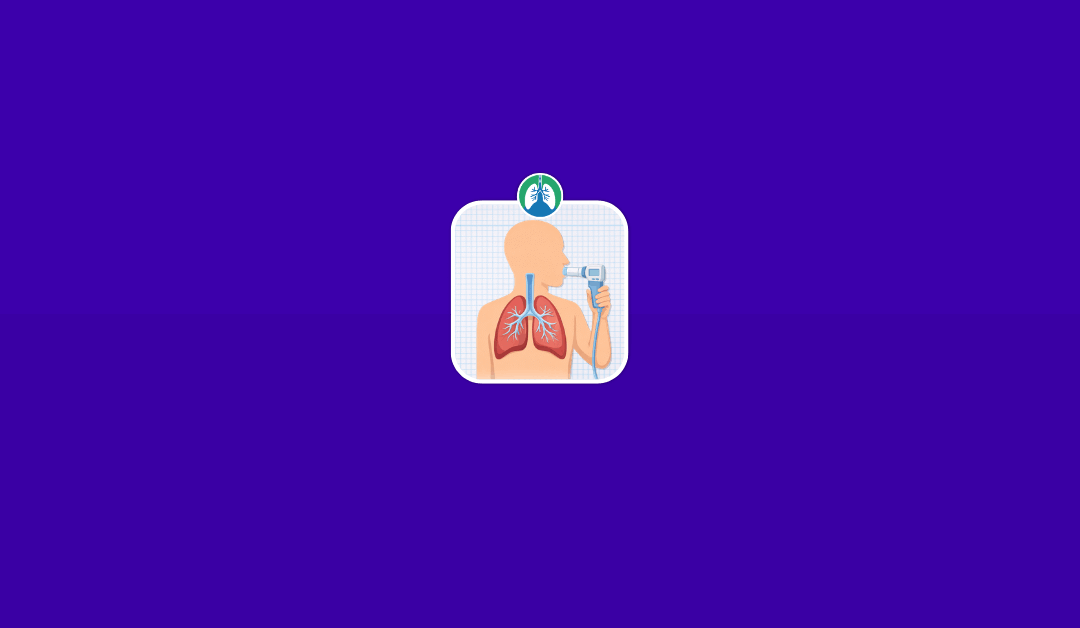
Learn what the FEV1/FVC ratio means, how it’s calculated, and how it helps diagnose obstructive and restrictive lung disease.