
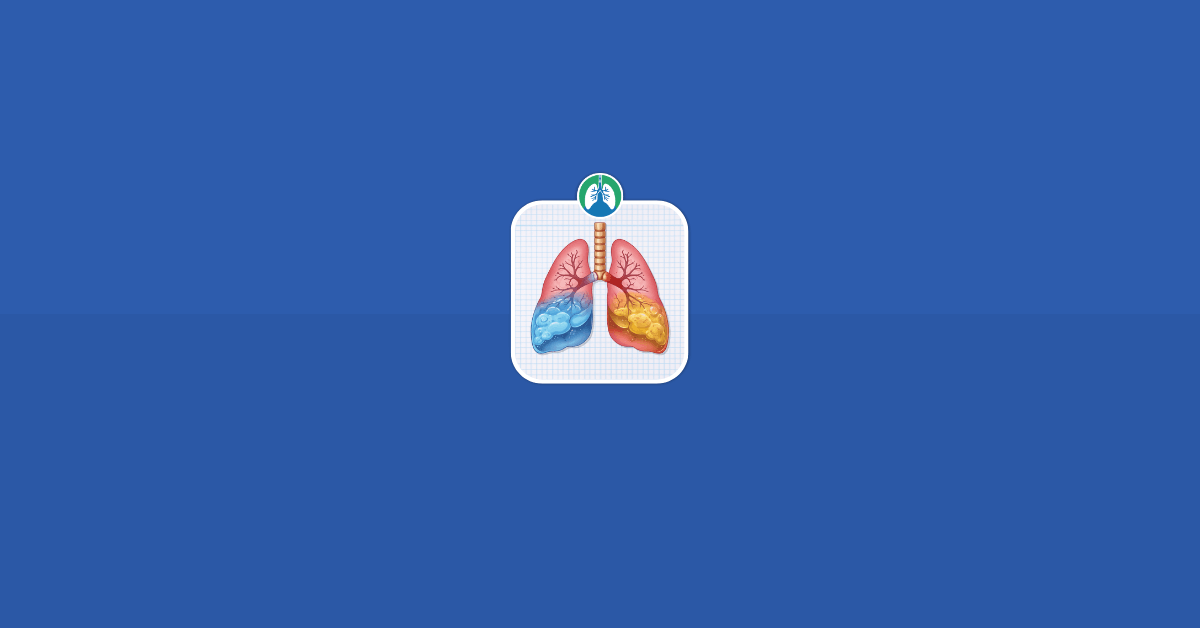
Pulmonary edema and pneumonia are two serious conditions that affect the lungs, often leading to similar symptoms such as shortness of breath, coughing, and impaired oxygenation. Despite these similarities, their underlying causes, pathophysiology, and treatments differ significantly.
Pulmonary edema involves fluid accumulation in the lung tissue and alveoli, while pneumonia is an infection that causes inflammation and consolidation.
Understanding the differences between these conditions is essential for accurate diagnosis and appropriate management, especially for healthcare professionals and respiratory therapy students.

Download our free guide that has over 100+ of the best tips for healthy lungs.
What Is the Difference Between Pulmonary Edema and Pneumonia?
Pulmonary edema and pneumonia both affect the lungs but have different causes and treatments. Pulmonary edema is a condition in which fluid accumulates in the alveoli, usually due to heart failure or increased capillary permeability. This fluid buildup interferes with gas exchange and often presents with sudden shortness of breath, orthopnea, and pink, frothy sputum.
Pneumonia, on the other hand, is an infection caused by bacteria, viruses, or fungi. It leads to inflammation and the filling of alveoli with pus and debris, resulting in symptoms such as fever, chills, productive cough, and chest pain.
While both conditions can cause hypoxemia and crackles on auscultation, pulmonary edema is primarily a fluid balance issue, whereas pneumonia is an infectious process. Treatment differs significantly, with diuretics used for pulmonary edema and antibiotics or antivirals used for pneumonia.

What Is Pulmonary Edema?
Pulmonary edema is a condition in which fluid accumulates in the lungs, specifically within the tiny air sacs called alveoli and the surrounding lung tissue. Under normal conditions, the alveoli are open and dry, allowing oxygen to pass efficiently into the bloodstream and carbon dioxide to exit. When fluid floods these spaces, that gas exchange is disrupted, and the body begins to struggle for oxygen.
The fluid does not simply appear from nowhere. It leaks from the capillaries, the smallest blood vessels that line the alveoli. When pressure in those capillaries rises too high, or when the capillary walls become damaged or overly permeable, fluid seeps into lung tissue where it does not belong.
Note: Pulmonary edema is broadly categorized into two types based on the trigger of the fluid leak.
Cardiogenic Pulmonary Edema
Cardiogenic pulmonary edema is the more common form and originates in the heart. When the left side of the heart fails to pump blood forward efficiently, pressure backs up into the pulmonary veins and capillaries. This elevated pressure forces fluid out of the capillaries and into the lung tissue.
Heart failure is the most frequent cause, but a heart attack, severe heart valve disease, or a sudden and severe arrhythmia can all trigger this response. Cardiogenic pulmonary edema is, in essence, a downstream consequence of the heart not doing its job.
Non-Cardiogenic Pulmonary Edema
Non-cardiogenic pulmonary edema occurs when the capillary walls themselves are damaged, allowing fluid to leak even when cardiac pressures are normal. This form is associated with acute respiratory distress syndrome (ARDS), severe infection or sepsis, inhalation of toxic fumes or smoke, near-drowning, altitude sickness, transfusion reactions, and certain drug overdoses. In these cases, the problem is not pressure but permeability.
What Is Pneumonia?
Pneumonia is an infection of the lungs. It occurs when bacteria, viruses, fungi, or, less commonly, other microorganisms invade the lung tissue and trigger an inflammatory response. The immune system mounts a defense, sending white blood cells and other immune proteins to the site of infection. The result of this battle is that the alveoli fill not with simple fluid but with a mixture of pus, cellular debris, and inflammatory secretions, a process known as consolidation.
Unlike pulmonary edema, which is fundamentally a fluid pressure or permeability problem, pneumonia is an active infectious and inflammatory process. The lungs are not passively flooded; they are under attack, and the body is fighting back.
Pneumonia is one of the most common serious infections worldwide and remains a leading cause of death, particularly among the elderly, young children, and people with weakened immune systems. It can develop in otherwise healthy individuals as well, especially following a viral upper respiratory illness, which is why post-influenza bacterial pneumonia is a well-recognized clinical phenomenon.
Causes of Pneumonia
The most common bacterial cause of community-acquired pneumonia is Streptococcus pneumoniae, though Haemophilus influenzae, Mycoplasma pneumoniae, Legionella pneumophila, and others also account for significant cases.
Viral pneumonia is frequently caused by influenza A and B, respiratory syncytial virus (RSV), and, more recently, SARS-CoV-2. Fungal pneumonia, caused by organisms such as Pneumocystis jirovecii, tends to affect immunocompromised individuals, including those with HIV/AIDS or those receiving chemotherapy.
Classification
Pneumonia is classified in several ways:
- Community-acquired pneumonia (CAP) develops outside of healthcare settings.
- Hospital-acquired pneumonia (HAP) develops 48 hours or more after admission to a hospital.
- Ventilator-associated pneumonia (VAP) occurs in patients receiving mechanical ventilation.
- Aspiration pneumonia results from inhaling food, liquid, or gastric contents into the lungs.
Note: Each classification carries different implications for likely causative organisms and treatment choices.
How the Lungs Are Affected Differently
Although both conditions fill the alveoli with material that does not belong there, the nature of that material and the mechanism of lung involvement differ significantly.
In pulmonary edema, the alveoli fill with a protein-poor or protein-rich fluid, depending on the type. Cardiogenic edema tends to produce a more watery, protein-poor fluid because the capillaries themselves are intact; it is simply pressure forcing fluid out. Non-cardiogenic edema from ARDS produces a protein-rich, inflammatory fluid because the capillary walls are physically damaged.
In either case, the fluid distributes in a way that reflects the underlying mechanism. Cardiogenic edema often appears more symmetrically across both lungs on imaging, while non-cardiogenic edema may be more patchy.
In pneumonia, the alveoli become filled with inflammatory cells, bacteria or other pathogens, mucus, and debris. This consolidation is typically localized to a specific lobe or segment of the lung, which is why lobar pneumonia is a recognized pattern. The surrounding lung tissue becomes inflamed and edematous as well, but the consolidation at the infectious focus is denser and more focal than the diffuse fluid of pulmonary edema.
This distinction in distribution matters both clinically and radiologically. A chest X-ray in pulmonary edema often shows a bilateral, “bat-wing” or perihilar distribution of opacities, along with signs of an enlarged heart in cardiogenic cases. A chest X-ray in pneumonia more often shows a localized opacity, air bronchograms within the consolidated area, and no significant cardiac enlargement unless there is a coexisting condition.
Symptoms: Where They Overlap and Where They Differ
Because both conditions impair the lungs’ ability to move oxygen into the blood, several symptoms are shared. Shortness of breath is present in both and is often the dominant complaint. A cough is common to both as well. Patients with either condition may feel a tightness or heaviness in the chest and may become visibly distressed when trying to breathe. Low oxygen saturation, measured by pulse oximetry, can occur in both, and in severe cases either condition can progress to respiratory failure.
That said, the character and accompaniment of symptoms diverge in ways that are clinically meaningful.
Symptoms More Characteristic of Pulmonary Edema
The breathlessness of pulmonary edema tends to come on rapidly, sometimes within minutes to hours in the acute cardiogenic form. Patients often describe a sensation of drowning or suffocation. A hallmark feature is orthopnea, the inability to lie flat without worsening shortness of breath, which drives patients to sleep propped up on multiple pillows. A related symptom is paroxysmal nocturnal dyspnea, in which a person wakes suddenly in the night gasping for air.
The cough in pulmonary edema is often productive of frothy, pink-tinged sputum. This coloration comes from the mixing of fluid and small amounts of blood within the alveoli. Patients may also show signs that point back to the heart: swollen ankles and legs from fluid retention, a distended neck due to elevated venous pressure, and an irregular or rapid heartbeat. Sweating and pallor are common. The overall picture is one of cardiovascular strain spilling over into the lungs.
Symptoms More Characteristic of Pneumonia
Pneumonia tends to develop more gradually, over one to several days, though certain bacterial pneumonias can present abruptly. Fever is a prominent and expected feature of pneumonia and is either absent or a minor component in pulmonary edema unless infection is also present. Chills, sometimes severe shaking chills called rigors, are associated with bacterial pneumonia in particular.
The cough in pneumonia is typically productive of colored sputum: yellow, green, rust-colored, or even blood-streaked depending on the organism and the severity of lung involvement. Pleuritic chest pain, a sharp pain that worsens with each breath or cough, is a feature of pneumonia when the infection involves the pleura, the membrane lining the lungs.
Fatigue, loss of appetite, muscle aches, and headache are systemic symptoms that accompany the infection and are more typical of pneumonia than of pulmonary edema. In older adults, confusion or altered mental status may be the presenting sign of pneumonia, even before respiratory symptoms become obvious.
Risk Factors
Risk Factors for Pulmonary Edema
The risk factors for pulmonary edema mirror the risk factors for the conditions that cause it. For cardiogenic pulmonary edema, the leading risk factors include existing heart failure, coronary artery disease, prior heart attack, hypertension, valvular heart disease, and cardiomyopathy. Age is a contributing factor simply because cardiac disease becomes more prevalent with age.
Kidney disease can worsen fluid overload and tip a vulnerable patient into pulmonary edema. Medications that cause fluid retention and dietary indiscretion with salt and fluid in patients with known heart failure are also recognized triggers.
For non-cardiogenic pulmonary edema, the risk profile is different. Sepsis and severe trauma are the leading causes of ARDS, which is the most common pathway to non-cardiogenic edema. Drug overdose, particularly with opioids or heroin, is a well-established cause. High altitude is a risk for non-acclimatized individuals ascending rapidly above 8,000 feet or so. Smoke inhalation and exposure to certain toxic gases or aspirated gastric contents round out the major risk categories.
Risk Factors for Pneumonia
Age sits at both extremes of the spectrum: infants and young children have immature immune systems, while the elderly have declining immune function. Smoking damages the mucociliary clearance system of the airways, impairing the lungs’ natural ability to expel pathogens. Chronic obstructive pulmonary disease (COPD) and other structural lung diseases create an environment in which bacteria can establish themselves more easily.
Immunosuppression, whether from HIV infection, chemotherapy, organ transplantation, or long-term corticosteroid use, significantly raises the risk of pneumonia and expands the range of potential causative organisms.
Diabetes, malnutrition, and alcoholism are also recognized risk factors. Hospitalization and mechanical ventilation introduce the risk of hospital-acquired and ventilator-associated pneumonia, where the pathogens tend to be more resistant and the patients more vulnerable.
Diagnosis: How Each Condition Is Identified
Diagnosing Pulmonary Edema
The diagnosis of pulmonary edema begins with clinical assessment. A physician will look for the combination of respiratory distress, characteristic symptoms, and physical examination findings such as crackles throughout the lungs, an elevated heart rate, elevated blood pressure or a drop in pressure in severe cases, and signs of fluid overload in the periphery.
A chest X-ray is typically the first imaging study obtained. In cardiogenic pulmonary edema, it may show an enlarged cardiac silhouette, bilateral perihilar opacities giving the classic bat-wing appearance, fluid in the fissures of the lung, and Kerley B lines, which are horizontal lines at the lung bases caused by fluid in the lymphatic channels of the lungs. An electrocardiogram is obtained to look for arrhythmia, ischemia, or signs of a heart attack as a precipitating cause.
Blood tests play an important role. B-type natriuretic peptide (BNP) or N-terminal pro-BNP (NT-proBNP) are hormones released by the heart under pressure and are markedly elevated in cardiogenic pulmonary edema, making them useful in distinguishing cardiac from non-cardiac causes of breathlessness. Troponin levels are checked to identify myocardial injury. A complete metabolic panel assesses kidney function and electrolytes. Arterial blood gas analysis quantifies how well the lungs are exchanging oxygen and carbon dioxide.
Echocardiography, an ultrasound of the heart, is a valuable tool for assessing cardiac function, valve integrity, and filling pressures. In acute settings, point-of-care ultrasound has become increasingly used by emergency physicians to rapidly assess both the heart and the lungs at the bedside.
Diagnosing Pneumonia
Pneumonia is also diagnosed through a combination of clinical findings, imaging, and laboratory tests, though the specific workup differs from that of pulmonary edema.
On physical examination, the clinician may hear decreased breath sounds over the affected area, dullness to percussion over the consolidated lung, and bronchial breath sounds transmitted through dense tissue. Fever and an elevated respiratory rate are common findings.
A chest X-ray is again the primary imaging tool and typically shows a localized opacity, often with air bronchograms, within a lobe or segment. When the X-ray is inconclusive but pneumonia is still suspected, a CT scan of the chest provides much greater detail and can identify consolidation, ground-glass opacities, pleural effusion, and complications such as lung abscess.
Blood tests include a complete blood count, which often shows an elevated white blood cell count with a predominance of neutrophils in bacterial pneumonia. C-reactive protein and procalcitonin are inflammatory markers that help gauge severity and can support the distinction between bacterial and viral causes, though neither is definitive on its own. Blood cultures are drawn before antibiotic administration to identify the causative organism in cases severe enough to warrant hospitalization. Sputum culture and Gram stain, when a good quality sample can be obtained, can identify the responsible pathogen and guide antibiotic selection.
Specific antigen tests are available for two of the more serious bacterial causes: urine antigen tests for Streptococcus pneumoniae and Legionella pneumophila. Rapid molecular tests such as PCR panels can identify respiratory viruses and atypical bacteria quickly and have become standard in many hospital settings, particularly since the COVID-19 pandemic raised the stakes of accurate respiratory pathogen identification.
The pneumonia severity index (PSI) and the CURB-65 score are clinical tools used to estimate the severity of community-acquired pneumonia and guide decisions about whether a patient can be managed at home, requires hospital admission, or needs intensive care.
Treatment: Different Problems, Different Approaches
Treating Pulmonary Edema
Treatment of pulmonary edema is directed at the underlying cause and at relieving the immediate burden of fluid in the lungs. The urgency of treatment depends on severity. Acute cardiogenic pulmonary edema is a medical emergency that requires rapid intervention.
Oxygen is the first priority. Supplemental oxygen is administered immediately, and in moderate to severe cases, non-invasive positive pressure ventilation (NIPPV) in the form of CPAP or BiPAP is used to keep the alveoli open and drive fluid back across the capillary membrane. This approach has significantly reduced the need for mechanical ventilation with intubation in many patients. When respiratory failure is severe and cannot be managed with non-invasive means, intubation and mechanical ventilation become necessary.
Diuretics are the primary pharmacological tool for cardiogenic pulmonary edema. Intravenous furosemide is the most commonly used agent. It works by prompting the kidneys to excrete excess fluid rapidly, reducing the volume load on the heart and relieving the capillary pressure that is driving fluid into the lungs. Patients typically produce large amounts of urine within the first hour of treatment, and breathlessness often improves correspondingly.
Nitrates, such as nitroglycerin, are used to dilate blood vessels and reduce the pressure the heart must work against, as well as the pressure backing up into the pulmonary circulation. In patients with severely elevated blood pressure contributing to the edema, additional antihypertensive agents may be required. Morphine was historically used to reduce anxiety and venous pressure in pulmonary edema, but its routine use has become more controversial given concerns about respiratory depression.
If the underlying cause is a heart attack, urgent coronary intervention to restore blood flow to the blocked artery is a priority. If a valve problem is responsible, stabilization followed by surgical or percutaneous valve repair may be needed. In refractory cardiogenic shock with pulmonary edema, mechanical circulatory support devices may be deployed to assist the failing heart.
For non-cardiogenic pulmonary edema and ARDS, the treatment approach differs because diuretics and nitrates address a pressure problem that does not exist in the same way. The focus shifts to treating the underlying cause, whether that is infection, toxin exposure, or trauma, while supporting the lungs with lung-protective mechanical ventilation strategies. These strategies use low tidal volumes to prevent further injury to already damaged lung tissue. Prone positioning, in which patients are turned face-down for extended periods, has been shown to improve oxygenation and survival in severe ARDS. Corticosteroids have a role in certain subtypes of ARDS.
Treating Pneumonia
Treatment of pneumonia is directed at eliminating the causative organism while managing symptoms and supporting respiratory function. The specific treatment depends on whether the pneumonia is bacterial, viral, or fungal, and on the severity of illness.
Bacterial pneumonia is treated with antibiotics. The choice of antibiotic depends on the likely organism, the clinical setting, local resistance patterns, and any known allergies. For community-acquired pneumonia of mild to moderate severity managed in the outpatient setting, amoxicillin or a macrolide such as azithromycin is commonly used.
For patients requiring hospitalization, a beta-lactam antibiotic combined with a macrolide, or a respiratory fluoroquinolone used alone, is a standard approach. For hospital-acquired or ventilator-associated pneumonia, broader-spectrum antibiotics targeting resistant organisms are required, and treatment is typically adjusted once culture results return.
Viral pneumonia does not respond to antibiotics. Influenza pneumonia can be treated with antiviral agents such as oseltamivir, particularly if started early in the illness. COVID-19 pneumonia has its own evolving treatment landscape including antivirals, corticosteroids in those requiring supplemental oxygen, and other agents depending on disease severity. Many viral pneumonias, however, are managed primarily with supportive care while the immune system clears the infection.
Fungal pneumonia requires antifungal therapy. Pneumocystis jirovecii pneumonia, which primarily affects immunocompromised patients, is treated with trimethoprim-sulfamethoxazole. Other fungal pneumonias may require fluconazole, itraconazole, voriconazole, or amphotericin B depending on the organism.
Supportive care applies across all types of pneumonia. This includes supplemental oxygen for those with low saturation, intravenous fluids for those who are dehydrated or septic, fever management, and nutritional support. Patients with severe pneumonia who develop respiratory failure require the same escalation of respiratory support as any other critically ill patient, up to and including mechanical ventilation.
Complications of pneumonia that require additional intervention include parapneumonic pleural effusion, a collection of fluid around the lung that may need drainage, and lung abscess, which may require prolonged antibiotic therapy or, in some cases, surgical drainage.
When the Two Conditions Coexist
It is worth acknowledging that pulmonary edema and pneumonia are not mutually exclusive. A patient with heart failure who develops pneumonia may present with elements of both conditions simultaneously. Severe pneumonia leading to sepsis can trigger ARDS, which is itself a form of non-cardiogenic pulmonary edema. In these overlapping scenarios, diagnosis becomes considerably more challenging, and treatment must address multiple problems at once.
The distinction between cardiogenic pulmonary edema and pneumonia-associated lung injury is one of the more difficult problems in acute respiratory medicine. BNP levels, echocardiography, and CT imaging are often used together to disentangle the contributions of cardiac dysfunction and infection in complex cases.
Clinical response to treatment also provides diagnostic information: a patient whose breathlessness resolves rapidly with diuretics is more likely to have had a significant cardiogenic component, while one who does not improve and who develops worsening inflammatory markers is more likely to be dealing primarily with infection.
Prevention
Preventing Pulmonary Edema
Prevention of cardiogenic pulmonary edema centers on managing the underlying cardiac conditions that lead to it. Patients with known heart failure are counseled to monitor their weight daily, restrict sodium and fluid intake, take their medications consistently, and seek early medical attention when they notice weight gain or worsening breathlessness.
Optimal control of hypertension, coronary artery disease, and diabetes reduces the risk of the cardiac events that precipitate pulmonary edema. Regular follow-up with a cardiologist allows for medication adjustment before decompensation occurs.
For non-cardiogenic pulmonary edema, prevention is less straightforward because many of its causes are unpredictable. Where possible, preventing sepsis through infection control, avoiding unnecessary blood transfusions, and prompt treatment of serious infections reduces the incidence of ARDS. For altitude-related pulmonary edema, gradual ascent and the use of acetazolamide as a prophylactic medication in high-risk individuals are established preventive strategies.
Preventing Pneumonia
Vaccination is the most effective preventive measure for pneumonia. Pneumococcal vaccines protect against the most common bacterial cause of community-acquired pneumonia and are recommended for all adults over 65 and for younger individuals with certain medical conditions. Annual influenza vaccination reduces the risk of influenza and its secondary bacterial pneumonia complications. COVID-19 vaccination reduces the risk of severe COVID-19 pneumonia.
Smoking cessation significantly improves mucociliary clearance and reduces the risk of both pneumonia and the structural lung disease that predisposes to it. Hand hygiene reduces the transmission of the respiratory viruses that can progress to viral pneumonia or predispose to secondary bacterial infection.
For hospitalized patients, elevation of the head of the bed, meticulous oral hygiene, and careful management of sedation in ventilated patients are measures that reduce the risk of hospital-acquired and ventilator-associated pneumonia.
FAQs About Pulmonary Edema and Pneumonia
Is Pulmonary Edema and Pneumonia the Same?
Pulmonary edema and pneumonia are not the same condition, although they can cause similar respiratory symptoms. Pulmonary edema occurs when fluid accumulates in the alveoli, often due to heart failure or increased capillary permeability.
Pneumonia, on the other hand, is a respiratory infection that causes inflammation and filling of the alveoli with pus and debris. While both impair gas exchange and can lead to shortness of breath, their causes, diagnostic findings, and treatments are very different.
Can Pneumonia Cause Pulmonary Edema?
Pneumonia does not directly cause pulmonary edema, but severe cases can contribute to fluid buildup in the lungs. Inflammatory processes during pneumonia can increase capillary permeability, which may lead to noncardiogenic pulmonary edema in conditions like acute respiratory distress syndrome (ARDS).
Additionally, patients with underlying heart disease may develop pulmonary edema if pneumonia worsens cardiac function. While related in some cases, they are still considered separate conditions that require different treatment approaches.
Is Pulmonary Edema a Type of Pneumonia?
Pulmonary edema is not a type of pneumonia. It is a condition caused by fluid accumulation in the lungs, often related to cardiac or permeability issues. Pneumonia is an infection that leads to inflammation and filling of the alveoli with pus and microorganisms.
While both conditions affect the lungs and can cause similar symptoms, they have different underlying mechanisms and require different treatments. Confusing the two can delay appropriate care and worsen outcomes.
Can Pulmonary Edema Be Mistaken for Pneumonia?
Yes, and it happens with some regularity, particularly in emergency settings. Both conditions cause shortness of breath, cough, and low oxygen levels, which creates significant overlap in initial presentation.
The distinction often comes down to the broader clinical picture: the presence of fever and colored sputum points toward pneumonia, while signs of heart failure and frothy pink sputum point toward pulmonary edema. Chest X-ray findings, BNP blood levels, and the patient’s medical history are the primary tools used to tell them apart.
How Quickly Does Pulmonary Edema Develop Compared to Pneumonia?
Acute cardiogenic pulmonary edema can develop within minutes to hours, making it one of the more rapidly evolving emergencies in respiratory medicine. A patient can go from mild breathlessness to severe respiratory distress in a very short window.
Pneumonia, by contrast, typically develops over one to several days as the infection establishes itself and the inflammatory response builds. There are exceptions: certain aggressive bacterial pneumonias can progress quickly, and flash pulmonary edema triggered by a sudden cardiac event can appear with little warning.
Is Pulmonary Edema Always Related to Heart Problems?
No. While cardiogenic pulmonary edema, caused by heart failure or acute cardiac events, is the most common form, a significant subset of cases have no cardiac origin. Non-cardiogenic pulmonary edema occurs when the capillary walls of the lungs are damaged and become leaky, independent of heart pressure.
Causes include sepsis, ARDS, drug overdose, smoke inhalation, near-drowning, severe allergic reactions, and high altitude exposure. Distinguishing between the two types matters because the treatments differ substantially, and applying cardiac-focused therapy to a non-cardiac cause can be ineffective or harmful.
Can You Have Pneumonia Without a Fever?
Yes, though fever is a common and expected feature of pneumonia, it is not universally present. Older adults in particular may develop pneumonia with little or no fever, and confusion or a general decline in function may be the more prominent presenting sign.
Immunocompromised patients, including those on corticosteroids or chemotherapy, may also fail to mount a significant fever even in the setting of serious infection. The absence of fever should not be used to rule out pneumonia, especially in elderly or immunosuppressed individuals where the usual inflammatory response may be blunted.
What Is the Fastest Way to Confirm Which Condition a Patient Has?
There is no single test that instantly confirms either diagnosis, but a combination of rapid assessments can narrow things down quickly. A chest X-ray obtained within minutes of presentation provides important structural information. A point-of-care BNP blood test can be resulted within an hour and strongly supports or argues against a cardiac cause.
Bedside ultrasound, increasingly available in emergency departments, allows immediate assessment of both heart function and lung fluid. Fever, sputum characteristics, and the patient’s cardiac history provide additional context that together usually allows a working diagnosis within the first hour of evaluation.
Can Pneumonia Lead to Pulmonary Edema?
Yes. Severe pneumonia can trigger sepsis, and sepsis is one of the leading causes of ARDS, which is a form of non-cardiogenic pulmonary edema. In this scenario, the widespread inflammatory response to infection damages capillary walls throughout the lungs, causing fluid to leak into the alveoli on top of the existing infectious consolidation.
This combination is particularly dangerous and is associated with high mortality. Patients who develop this overlap require intensive care management that addresses both the underlying infection and the mechanical failure of the lungs to exchange oxygen adequately.
How Long Does Recovery Take for Each Condition?
Recovery timelines vary considerably based on severity and the patient’s underlying health. Mild to moderate community-acquired pneumonia treated with antibiotics typically resolves over one to three weeks, though fatigue can linger longer. Severe pneumonia requiring hospitalization may take weeks to months for full recovery.
Pulmonary edema that responds well to diuretic therapy can improve dramatically within hours to days, though the underlying cardiac condition driving it requires ongoing management. ARDS-associated pulmonary edema carries a much longer recovery trajectory, with some patients experiencing persistent lung function impairment for months after discharge.
How Do You Recognize Pulmonary Edema?
Pulmonary edema is typically recognized by its rapid onset of respiratory symptoms and signs of fluid overload. Common symptoms include sudden shortness of breath, difficulty breathing when lying flat, and a feeling of suffocation.
Patients may produce pink, frothy sputum and exhibit crackles on auscultation. Other signs may include swelling in the legs and elevated jugular venous pressure. A chest X-ray often shows diffuse infiltrates, helping confirm the diagnosis in a clinical setting.
What Triggers Pulmonary Edema?
Pulmonary edema is most commonly triggered by left-sided heart failure, which increases pressure in the pulmonary circulation. Other triggers include fluid overload, renal failure, severe hypertension, and acute myocardial infarction.
Noncardiogenic causes include conditions that increase capillary permeability, such as ARDS, sepsis, trauma, or inhalation of toxins. High altitude exposure can also lead to pulmonary edema. Identifying the underlying trigger is essential for determining the appropriate treatment and preventing recurrence.
What Does Fluid in the Lungs Feel Like?
Fluid in the lungs often causes a sensation of breathlessness or air hunger. Patients may feel as though they cannot get enough air, especially during activity or when lying flat. This may be accompanied by chest tightness, rapid breathing, and fatigue.
In more severe cases, individuals may cough up frothy or watery sputum. The sensation can be distressing and may worsen quickly, particularly in cases of acute pulmonary edema, requiring prompt medical attention.
What Is the Difference Between Pulmonary Edema and Pneumonia on a Chest X-ray?
On a chest X-ray, pulmonary edema typically appears as bilateral, diffuse infiltrates, often in a perihilar or “bat-wing” pattern. It may also show cardiomegaly and pleural effusions in cardiogenic cases.
Pneumonia, in contrast, usually presents as localized or lobar consolidation with air bronchograms. The findings are often unilateral or patchy. These imaging differences help clinicians distinguish between fluid-related processes and infectious inflammation within the lungs.
Can Pneumonia Be Prevented?
Pneumonia can often be prevented through a combination of vaccination and healthy habits. Receiving recommended vaccines, such as the pneumococcal and influenza vaccines, significantly reduces the risk.
Good hand hygiene, avoiding close contact with sick individuals, and maintaining a strong immune system also help. Managing chronic conditions and quitting smoking are important preventive steps. In healthcare settings, infection control practices play a key role in reducing the spread of pneumonia.
Can Pulmonary Edema Cause Sudden Death?
Pulmonary edema can cause sudden death, especially if it develops rapidly and is not treated promptly. Acute pulmonary edema severely impairs gas exchange, leading to hypoxemia and respiratory failure.
When associated with heart conditions such as acute heart failure or myocardial infarction, it can progress quickly and become life-threatening. Immediate medical intervention is critical. Early recognition and treatment can significantly reduce the risk of severe complications and improve survival outcomes.
Are There Long-Term Lung Consequences After Either Condition?
Both conditions can leave lasting effects depending on severity. Most patients who recover from a single episode of community-acquired pneumonia regain normal or near-normal lung function, though severe or necrotizing pneumonia can cause scarring and bronchiectasis.
Recurrent pneumonia may cause cumulative damage over time. ARDS, whether triggered by pneumonia or another cause, carries a more significant risk of long-term pulmonary fibrosis and reduced lung capacity. Cardiogenic pulmonary edema itself does not typically cause permanent lung damage if treated promptly, but the heart failure driving it is a chronic condition that requires lifelong management.
Final Thoughts
Pulmonary edema and pneumonia each represent serious threats to lung function, but they arise through distinct mechanisms and demand different responses. Pulmonary edema is fundamentally a problem of fluid where it should not be, driven by cardiac failure or capillary damage. Pneumonia is an infection that turns the lung’s own inflammatory defenses against it.
Recognizing the differences in how each condition presents, progresses, and responds to treatment is important for patients, caregivers, and clinicians alike. Accurate diagnosis shapes everything that follows, and in both conditions, timely intervention makes a measurable difference in outcomes.

Written by:
John Landry is a registered respiratory therapist from Memphis, TN, and has a bachelor's degree in kinesiology. He enjoys using evidence-based research to help others breathe easier and live a healthier life.
References
- Malek R, Soufi S. Pulmonary Edema. [Updated 2023 Apr 7]. In: StatPearls [Internet]. Treasure Island (FL): StatPearls Publishing; 2026.
- InformedHealth.org [Internet]. Cologne, Germany: Institute for Quality and Efficiency in Health Care (IQWiG); 2006.