
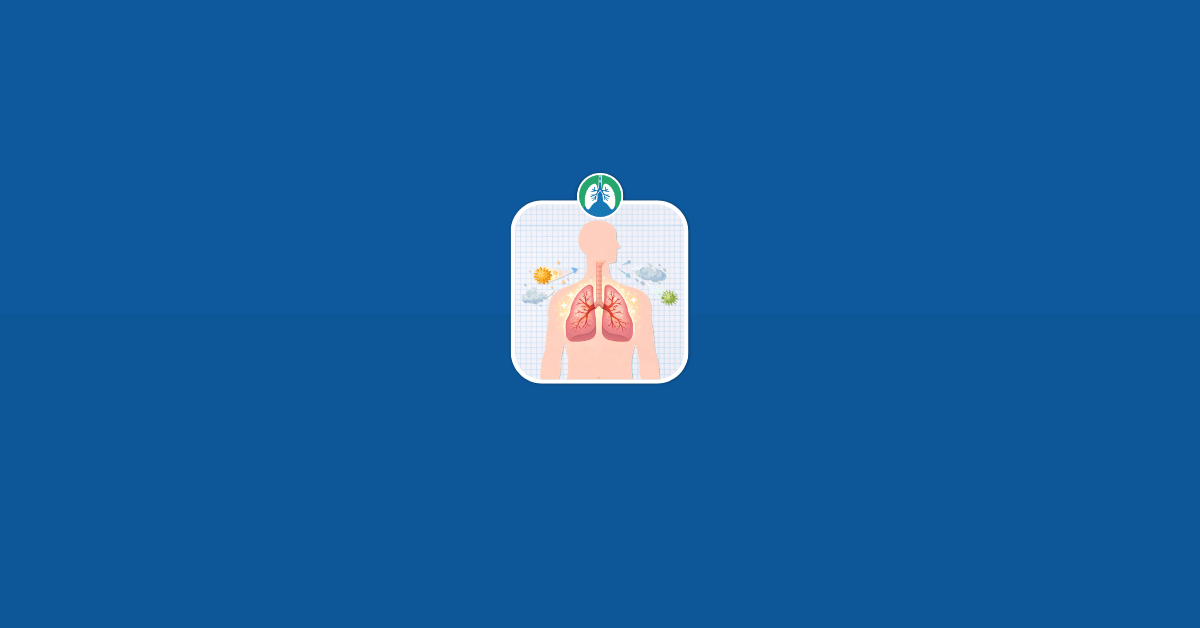
An itchy sensation in the lungs can feel strange, uncomfortable, and sometimes even alarming, especially if you’re not sure what’s causing it. While the lungs themselves don’t have itch receptors like the skin, this feeling is often linked to irritation in the airways or surrounding tissues.
Common triggers include allergies, dry air, respiratory infections, or exposure to environmental irritants such as smoke or dust. In some cases, it may also be associated with conditions like asthma or bronchitis.
Understanding why your lungs feel itchy is the first step toward finding relief and protecting your respiratory health.

Download our free guide that has over 100+ of the best tips for healthy lungs.
Why Do My Lungs Feel Itchy?
An itchy feeling in the lungs is usually a sign of irritation within the airways rather than true “itching” of the lungs themselves. This sensation often occurs when the lining of the respiratory tract becomes inflamed or sensitive due to triggers like allergies, dry air, smoke, dust, or pollutants.
It may also be linked to respiratory infections, asthma, or postnasal drip, all of which can stimulate nerve endings and create a tickling or itchy sensation that leads to coughing. In many cases, your body is trying to clear out irritants and protect the lungs.
If the sensation is persistent, worsening, or accompanied by other symptoms like shortness of breath or wheezing, it may indicate an underlying condition that requires medical evaluation.

Common Causes of Itchy Lungs
Several conditions can create a persistent itchy or tickling feeling deep in the chest. In most cases, the sensation relates to airway inflammation, irritation, or increased sensitivity of the nerves lining the respiratory tract.
Allergies
Allergies often cause itchy lungs by triggering inflammation inside the airways. When a person inhales allergens such as pollen, dust mites, mold spores, or pet dander, the immune system releases histamine and other chemicals.
These chemicals cause the airway lining to swell and produce excess mucus. The irritation can create a tickling or itchy feeling in the chest, often along with sneezing, nasal congestion, and itchy eyes.
Seasonal allergies tend to flare during specific times of year, especially spring and fall. Indoor allergens may cause symptoms year-round. People may also notice a dry cough or a frequent urge to clear the throat. Symptoms often worsen after outdoor exposure or time spent in dusty or poorly ventilated spaces.
Asthma
Asthma is a chronic condition that causes airway inflammation and narrowing. The inner lining of the bronchial tubes becomes swollen and sensitive, which can produce an itchy or tight sensation in the chest.
This inflammation makes the airways react strongly to triggers such as cold air, exercise, allergens, or respiratory infections. As the muscles around the airways tighten, breathing becomes more difficult.
Common symptoms include wheezing, shortness of breath, chest tightness, and coughing. Some people describe an early asthma flare as a subtle itch or irritation deep in the lungs before more obvious symptoms begin.
Note: Symptoms may come and go, but untreated asthma can lead to more frequent or severe flare-ups. Identifying and avoiding triggers plays a key role in symptom control.
Respiratory Infections
Viral infections such as the common cold, flu, or COVID-19 often irritate the lining of the airways. As the body fights the infection, inflammation increases and mucus production rises. This irritation can create a scratchy or itchy feeling in the chest. A dry cough may develop at first, followed by a productive cough as mucus builds up.
Bacterial infections, including bronchitis or pneumonia, can also cause airway inflammation. In these cases, symptoms may include fever, fatigue, chest discomfort, and thick mucus.
Note: Even after the infection clears, airway sensitivity may persist for several weeks. This lingering inflammation can continue to trigger coughing and an itchy sensation during recovery.
Environmental Irritants
Environmental irritants directly inflame the airways without involving an allergic immune response. Common irritants include cigarette smoke, air pollution, chemical fumes, and strong fragrances. When inhaled, these particles irritate the protective lining of the respiratory tract. The body responds by increasing mucus production and activating cough reflexes.
People exposed to secondhand smoke or high pollution levels may notice a burning or itchy feeling in the chest. Symptoms often improve after leaving the contaminated environment.
Note: Long-term exposure to irritants can increase the risk of chronic bronchitis and other lung conditions. Reducing exposure remains one of the most effective ways to prevent repeated irritation.
How Allergies Affect the Lungs
Allergic reactions in the nose and airways can trigger inflammation that extends into the lungs. This inflammation often causes itching, tightness, coughing, and increased mucus production.
Allergic Rhinitis
Allergic rhinitis affects the nasal passages, but it often influences the lower airways as well. When a person inhales allergens such as dust mites or mold spores, the immune system releases histamine and other chemicals that cause swelling and mucus production.
This nasal inflammation can spread downward through connected airway pathways. The bronchial tubes may become irritated, leading to a tickling or itchy sensation in the chest. Postnasal drip also plays a role. Mucus from the nose can drain into the throat and trigger coughing, which further irritates the airways.
People with allergic rhinitis often experience:
- Sneezing and nasal congestion
- Throat clearing
- Chest tightness or mild wheezing
Note: Persistent inflammation may increase airway sensitivity. Over time, this sensitivity can make the lungs react more strongly to smoke, cold air, or exercise.
Pollen Reactions
Pollen from trees, grasses, and weeds commonly triggers seasonal allergy symptoms. When inhaled, pollen particles settle along the lining of the respiratory tract and activate immune cells. The immune response leads to airway inflammation and increased mucus production. This process can create an itchy or scratchy feeling deep in the chest.
In some individuals, pollen exposure narrows the bronchial tubes. This narrowing reduces airflow and may cause shortness of breath or wheezing. People with asthma face a higher risk of lower airway involvement during pollen season. Even those without asthma may notice coughing or mild chest discomfort on high pollen days.
Note: Limiting outdoor exposure during peak pollen counts and using air filtration indoors can reduce symptom intensity. Consistent allergy management helps decrease lung irritation over time.
Animal Dander Sensitivity
Animal dander consists of tiny skin flakes that pets shed. These particles carry proteins that can trigger an allergic reaction when inhaled. Because dander particles are small and lightweight, they remain airborne for long periods. This allows them to travel deep into the lungs.
The immune system responds by releasing inflammatory chemicals. The bronchial tubes may swell slightly and produce extra mucus, which contributes to itching or a tight sensation in the chest.
Common symptoms include:
- Persistent cough
- Chest tightness
- Mild wheezing
- Increased mucus
Note: Symptoms may appear quickly after exposure or develop gradually with ongoing contact. Reducing indoor allergen levels, using high-efficiency air filters, and limiting bedroom exposure can help lower lung irritation.
Asthma and Itchy Lung Sensations
Asthma often causes sensations that people describe as itching, tickling, or irritation deep in the chest. These feelings usually stem from airway inflammation or tightening triggered by specific conditions.
Airway Inflammation
Asthma involves chronic inflammation of the bronchial tubes. When these airways swell and produce excess mucus, the lining becomes sensitive and reactive.
This irritation can create an internal tickling or itchy feeling rather than sharp pain. Nerve endings in the airway lining respond to swelling and mucus buildup, which can trigger coughing or the urge to clear the throat.
Common triggers include pollen, dust mites, pet dander, mold, smoke, and cold air. After exposure, the immune system releases inflammatory chemicals such as histamine and leukotrienes. These substances narrow the airways and increase sensitivity.
People may also notice:
- Chest tightness
- Wheezing
- Shortness of breath
- Persistent dry cough, especially at night
Note: When inflammation remains uncontrolled, symptoms tend to recur. Inhaled corticosteroids often reduce airway swelling and lower the frequency of itchy or irritated sensations.
Exercise-Induced Symptoms
Some people experience itchy lungs primarily during or after physical activity. This pattern often points to exercise-induced bronchoconstriction, a form of asthma triggered by increased breathing. During exercise, faster breathing pulls in larger volumes of air. If that air is cold or dry, it can irritate the airway lining and cause it to narrow.
The result may include:
- A tickling or itchy feeling in the chest
- Coughing within minutes of starting activity
- Wheezing or chest tightness after stopping
Symptoms usually peak 5 to 10 minutes after exercise ends. They may last up to an hour without treatment.
Using a short-acting bronchodilator inhaler before exercise often prevents these symptoms. Warm-up routines and breathing through the nose can also reduce airway irritation.
Respiratory Infections Leading to Itchy Lungs
Respiratory infections often irritate the airway lining and trigger an itchy or tickling sensation deep in the chest. Both viral and bacterial infections inflame the bronchial tubes, increase mucus production, and stimulate cough receptors.
Viral Infections
Viruses such as the common cold, influenza, RSV, and COVID-19 frequently cause airway inflammation. When these viruses infect the respiratory tract, they irritate the lining of the bronchi and increase mucus production.
This inflammation activates nerve endings inside the airways. As a result, a person may feel a persistent tickle or itch in the lungs that triggers dry coughing. Viral infections often begin with symptoms such as sore throat, runny nose, fatigue, and low-grade fever. The cough may start dry and later become productive.
In most cases, the itchy sensation improves as the immune system clears the virus. However, some people develop a post-viral cough, where airway sensitivity remains heightened for weeks after the infection resolves.
Bacterial Infections
Bacterial infections such as bronchitis or pneumonia can also cause itchy lungs, though symptoms are often more intense. Bacteria invade lung tissue or bronchial tubes, leading to significant inflammation and mucus buildup.
This irritation stimulates cough receptors and creates a scratchy or itchy feeling in the chest. Unlike many viral infections, bacterial infections may produce thicker, yellow or green mucus. Additional signs may include higher fever, chest discomfort, shortness of breath, and fatigue. Pneumonia can also cause sharp pain when breathing deeply.
Note: Bacterial infections often require medical evaluation. A clinician may prescribe antibiotics when testing or examination suggests a bacterial cause rather than a viral one.
Environmental and Occupational Triggers
Airborne irritants in daily life and at work often cause an itchy feeling in the lungs. Pollution, chemical fumes, and inhaled dust can inflame airway linings and increase sensitivity.
Pollution Exposure
Outdoor air pollution exposes the lungs to fine particulate matter (PM2.5 and PM10), nitrogen dioxide, ozone, and sulfur dioxide. These particles and gases irritate the airway lining and stimulate nerve endings that create an itchy or tickling sensation.
High-traffic areas, industrial zones, and wildfire smoke raise exposure levels. Even short-term exposure can trigger symptoms in people with asthma, allergies, or chronic bronchitis. Cold air can worsen the effect by drying the airways. Dry, irritated tissue becomes more reactive to pollutants.
Common signs linked to pollution exposure include:
- Persistent throat or chest irritation
- Dry cough
- Mild chest tightness
- Increased mucus production
Note: Symptoms often improve indoors with filtered air. However, poorly ventilated indoor spaces can also trap pollutants, especially when windows remain closed during high-smog days.
Chemical Fumes
Chemical fumes irritate the lungs quickly because they contain volatile compounds that react with airway tissue. Cleaning products, paint, solvents, and strong disinfectants often release these fumes.
Bleach and ammonia can cause immediate throat and chest irritation. Mixing these chemicals increases the risk of toxic gas exposure, which can inflame the airways within minutes.
In occupational settings, workers in salons, manufacturing plants, and laboratories face repeated exposure. Without proper ventilation or respiratory protection, they may develop ongoing airway sensitivity.
Symptoms linked to chemical fume exposure include:
- Burning sensation in the chest
- Itchy or scratchy feeling when breathing
- Wheezing
- Shortness of breath
Note: Repeated exposure may lead to chronic inflammation. Over time, the airways can become more reactive even to low-level irritants.
Workplace Dust
Workplace dust contains fine particles from materials such as wood, silica, grain, or textiles. When inhaled, these particles settle in the airways and trigger irritation. Construction workers, farmers, factory employees, and warehouse staff face higher exposure. Poor ventilation and lack of protective masks increase the amount of dust inhaled.
Fine particles can bypass the nose and reach deep lung tissue. This can cause a persistent itchy or tickling sensation that worsens during or after shifts.
Common dust-related symptoms include:
- Dry cough that lingers
- Chest discomfort
- Increased phlegm
- Breathing difficulty during exertion
Note: Long-term exposure to certain dusts, such as silica or coal dust, can lead to more serious lung disease. Early attention to symptoms helps reduce ongoing airway irritation and prevent complications.
Less Common Medical Conditions
Some chronic lung diseases can create a persistent itchy, irritated sensation deep in the chest. These conditions often involve inflammation or scarring that affects how air moves and how lung tissue responds to irritation.
Interstitial Lung Disease
Interstitial lung disease (ILD) refers to a group of disorders that cause inflammation and scarring in the tissue around the air sacs. This tissue thickens over time, which reduces oxygen transfer and alters normal breathing patterns.
People with ILD often report a dry cough and shortness of breath that worsens with activity. An itchy or irritated feeling in the lungs may develop as inflammation affects nerve endings within the lung tissue.
Common causes include long-term exposure to dust, mold, asbestos, or certain chemicals. Some cases result from autoimmune diseases such as rheumatoid arthritis or systemic sclerosis. In other cases, the cause remains unknown.
Note: Doctors diagnose ILD with imaging tests such as high-resolution CT scans and pulmonary function tests. Early evaluation matters because untreated inflammation can lead to permanent scarring.
Pulmonary Fibrosis
Pulmonary fibrosis is a specific form of interstitial lung disease marked by progressive scarring of lung tissue. As scar tissue builds, the lungs become stiff and less able to expand. This stiffness can create a persistent sensation of tightness, dryness, or irritation deep in the chest. Many people also develop a chronic dry cough and increasing shortness of breath.
Idiopathic pulmonary fibrosis has no known cause, though age over 50 increases risk. Other forms may follow environmental exposures, certain medications, radiation therapy, or autoimmune disease.
Diagnosis usually involves imaging, lung function testing, and sometimes lung biopsy. Because scarring is permanent, early medical management focuses on slowing progression and improving breathing capacity.
Lifestyle Factors Influencing Lung Health
Daily habits can irritate the airways and trigger sensations such as itching, tightness, or mild burning in the chest. Smoking and vaping expose lung tissue to chemicals that inflame and dry the respiratory lining.
Smoking
Cigarette smoke contains thousands of chemicals, including tar, carbon monoxide, and formaldehyde. When a person inhales smoke, these substances contact the airway lining and irritate sensitive nerve endings.
This irritation increases mucus production and causes mild swelling in the bronchial tubes. As a result, the lungs may feel itchy, scratchy, or uncomfortable, especially during deep breaths.
Smoking also damages the tiny hair-like structures called cilia. These structures normally clear dust and debris. When they stop working effectively, particles remain in the airways longer and increase irritation.
Note: Even secondhand smoke can trigger symptoms. People with asthma, allergies, or chronic bronchitis often notice stronger reactions, including coughing or chest tightness.
Vaping
Vaping devices heat liquid solutions that contain nicotine, flavorings, and other additives. The heating process creates an aerosol that reaches deep into the lungs.
Although vaping does not produce traditional smoke, it still exposes lung tissue to chemicals such as propylene glycol and vegetable glycerin. These substances can dry the airway lining and cause a tickling or itchy feeling.
Some flavoring compounds, including diacetyl in certain products, have been linked to airway irritation. Repeated exposure may increase inflammation and sensitivity in the bronchial tubes.
Note: People who vape frequently may notice throat dryness, coughing, or mild chest discomfort. These symptoms often reflect irritation rather than infection, but they signal that the lungs are reacting to inhaled substances.
Home Remedies and Self-Care Strategies
Simple changes to indoor air can reduce irritation that triggers an itchy feeling in the lungs. Managing moisture and airborne particles often brings noticeable relief, especially for people sensitive to dry air, dust, or allergens.
Humidifiers
Dry indoor air can irritate airway linings and increase the urge to cough or clear the chest. A humidifier adds moisture to the air, which may soothe throat and airway tissues.
Most experts recommend keeping indoor humidity between 30% and 50%. Levels below 30% can dry out the respiratory tract, while levels above 50% can encourage mold growth. A small digital hygrometer helps monitor this range accurately.
Cool mist humidifiers work well for most homes. They reduce dryness without raising room temperature. People should clean the water tank every one to three days to prevent bacteria and mold buildup.
Note: Using distilled or demineralized water limits mineral dust. Placing the unit several feet from the bed allows even moisture distribution without overexposure during sleep.
Air Purifiers
Airborne particles such as dust, pollen, pet dander, and smoke can trigger airway irritation. An air purifier with a HEPA filter captures many of these particles and improves indoor air quality.
HEPA filters remove at least 99.97% of particles as small as 0.3 microns. This level of filtration helps reduce common respiratory irritants in bedrooms and living areas. Placement matters. The purifier should sit in the room where symptoms occur most often, with doors and windows closed for better efficiency.
Note: Regular filter replacement is essential. Most manufacturers recommend changing HEPA filters every 6 to 12 months, depending on usage and air quality.
When to Seek Medical Attention
An itchy feeling in the lungs often relates to mild irritation. However, certain symptoms require prompt medical evaluation.
Seek care right away if the person experiences shortness of breath, chest pain, or wheezing that worsens quickly. Difficulty speaking in full sentences or visible struggle to breathe signals a possible emergency.
Medical attention is also important if the sensation comes with:
- Persistent coughing that lasts more than three weeks
- Coughing up blood or thick green, yellow, or rust-colored mucus
- Fever above 101°F that does not improve
- Unexplained weight loss or night sweats
These signs may point to infection, asthma, allergic reactions, or other lung conditions that need treatment.
Anyone with a history of asthma, chronic bronchitis, or severe allergies should contact a clinician if symptoms change or fail to respond to usual medication. Early assessment helps prevent complications and supports better breathing control.
Note: If exposure to smoke, chemicals, or allergens triggered the symptoms and they do not improve after leaving the area, a healthcare provider should evaluate the situation. Prompt care reduces the risk of ongoing airway inflammation.
FAQs About Itchy Lungs
Why Do I Keep Getting a Tickle in My Lungs?
A tickling sensation in your lungs is usually caused by irritation in the airways rather than the lungs themselves. This can happen when allergens, dry air, smoke, or other irritants stimulate sensitive nerve endings in the respiratory tract.
The body responds with a cough reflex to try to clear out the trigger. In many cases, this feeling is temporary, but if it happens frequently, it may point to an underlying issue like allergies, asthma, or chronic airway irritation.
Do Allergies Make Your Lungs Feel Itchy?
Yes, allergies can make your lungs feel itchy or irritated. When you’re exposed to allergens like pollen, dust, or pet dander, your immune system releases histamines that cause inflammation in the airways.
This inflammation can stimulate nerve endings, leading to a tickling or itchy sensation and often triggering coughing. People with allergic asthma may notice this feeling more intensely.
Note: Managing exposure to allergens and using appropriate medications can help reduce symptoms and prevent ongoing irritation.
Why Do My Lungs Feel Tingly?
A tingling sensation in the lungs is typically related to airway irritation or nerve stimulation. This can occur from breathing in cold air, pollutants, or allergens that affect the lining of the respiratory tract.
In some cases, it may also be linked to anxiety or hyperventilation, which can alter breathing patterns and create unusual sensations in the chest. While occasional tingling is usually harmless, persistent or worsening symptoms should be evaluated to rule out underlying respiratory or cardiovascular conditions.
Are Itchy Lungs Dangerous?
In most cases, itchy lungs are not dangerous and are simply a sign of mild airway irritation. Common causes include dry air, allergies, or temporary exposure to irritants like smoke or dust.
However, if the sensation is persistent or accompanied by symptoms such as wheezing, shortness of breath, chest tightness, or fever, it could indicate a more serious condition like asthma, bronchitis, or an infection.
Note: It’s important to monitor your symptoms and seek medical advice if they do not improve.
What Should I Do if I’m Experiencing Itchy Lungs?
If you’re experiencing itchy lungs, start by identifying and avoiding potential triggers such as allergens, smoke, or polluted air. Staying hydrated and using a humidifier can help soothe irritated airways, especially in dry environments.
Over-the-counter medications like antihistamines may provide relief if allergies are the cause. If symptoms persist, worsen, or are accompanied by breathing difficulties, it’s important to consult a healthcare provider for proper evaluation and treatment.
Final Thoughts
An itchy feeling in the lungs is typically a sign of airway irritation rather than a problem with the lungs themselves. While it’s often caused by harmless triggers like dry air, allergens, or mild infections, it can sometimes point to underlying respiratory conditions that need attention.
Paying close attention to accompanying symptoms and potential environmental exposures can help you identify the cause and find relief. If the sensation persists or worsens, seeking medical advice is important to rule out more serious issues and ensure your lungs stay healthy.

Written by:
John Landry is a registered respiratory therapist from Memphis, TN, and has a bachelor's degree in kinesiology. He enjoys using evidence-based research to help others breathe easier and live a healthier life.
References
- Pecova T, Kocan I, Vysehradsky R, Pecova R. Itch and Cough – Similar Role of Sensory Nerves in Their Pathogenesis. Physiol Res. 2020.