
Respiratory Therapy Blog
Cardiac Output: Overview and Practice Questions (2026)
Learn what cardiac output is, how it affects oxygen delivery, and why it matters in respiratory therapy and patient care.

Dyspnea: Overview and Practice Questions (2026)
Learn what dyspnea is, its causes, and why recognizing shortness of breath is vital in respiratory therapy and patient care.
Cricothyrotomy vs. Tracheostomy for Airway Management (2026)
Learn the key differences between cricothyrotomy and tracheostomy, including purpose, procedure, and when each is used.
Cricothyrotomy: Overview and Practice Questions (2026)
Learn what a cricothyrotomy is, when it’s performed, and why it’s vital in emergency airway management and respiratory care.

Diaphoresis: Overview and Practice Questions (2026)
Learn what diaphoresis is, its causes, and why recognizing this sign is vital for respiratory therapists in patient care.
15 Signs of Dying from Esophageal Cancer (2026)
Recognize the signs of dying from esophageal cancer and learn how to provide comfort, care, and support in the final stages.
Cardioversion: Overview and Practice Questions (2026)
Learn how cardioversion restores normal heart rhythm and why it’s important in managing arrhythmias in respiratory care.

Capillaries: Overview and Practice Questions (2026)
Learn how capillaries enable gas exchange, support circulation, and play a vital role in respiratory care and overall health.
How Does Esophageal Cancer Kill You? (2026)
Learn how esophageal cancer leads to life-threatening complications, from malnutrition to organ failure and metastasis.
Life Expectancy of a Lung Cancer Patient on Oxygen (2026)
Learn about the life expectancy of lung cancer patients on oxygen, key factors that affect survival, and ways to improve quality of life.
How Fast Do Mediastinal Tumors Grow? (2026)
Discover how fast mediastinal tumors grow, factors that influence their rate, and why early detection is crucial for treatment.
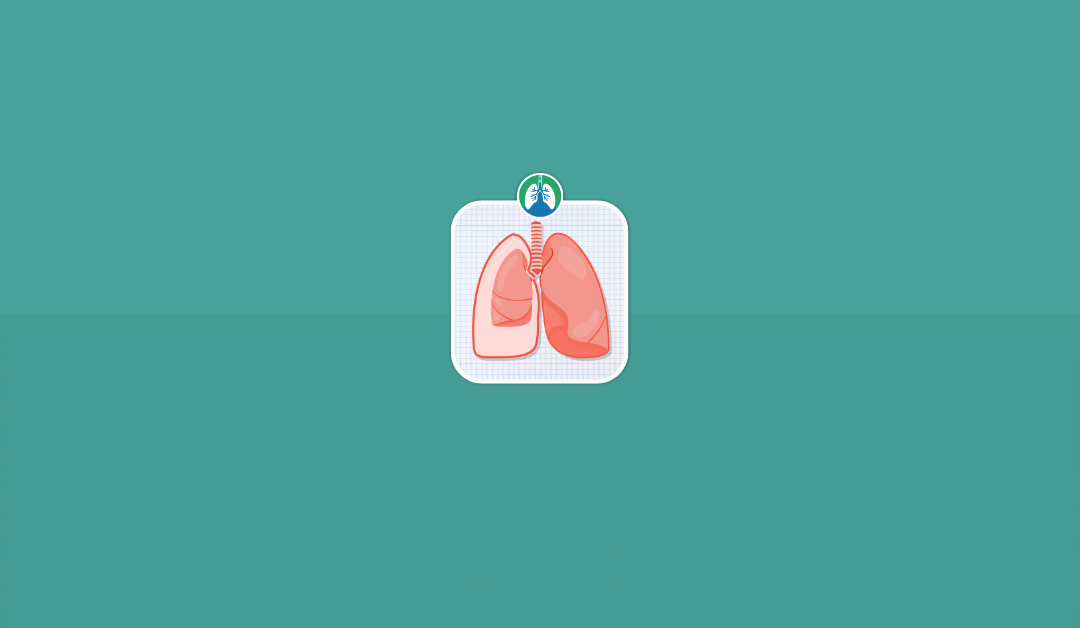
How to Fix a Collapsed Lung (Pneumothorax) at Home? (2026)
Learn why a collapsed lung can’t be treated at home, the warning signs to watch for, and when to seek emergency medical care.
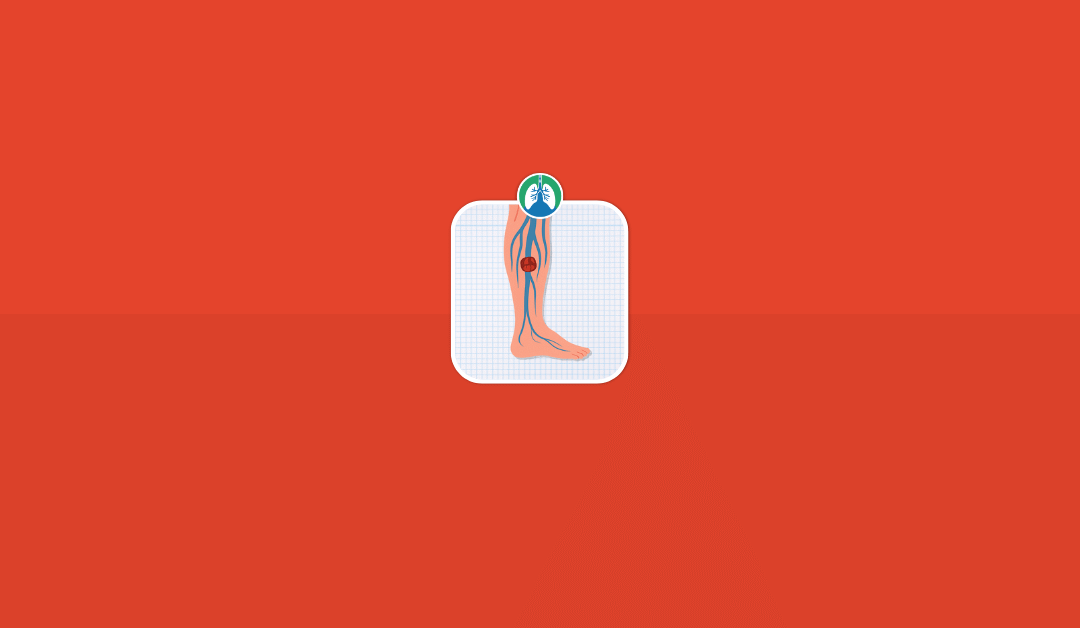
How Fast Does a Blood Clot Travel from the Leg to the Lungs?
Learn how fast a blood clot can travel from the legs to the lungs, the risks of pulmonary embolism, and why early treatment is vital.
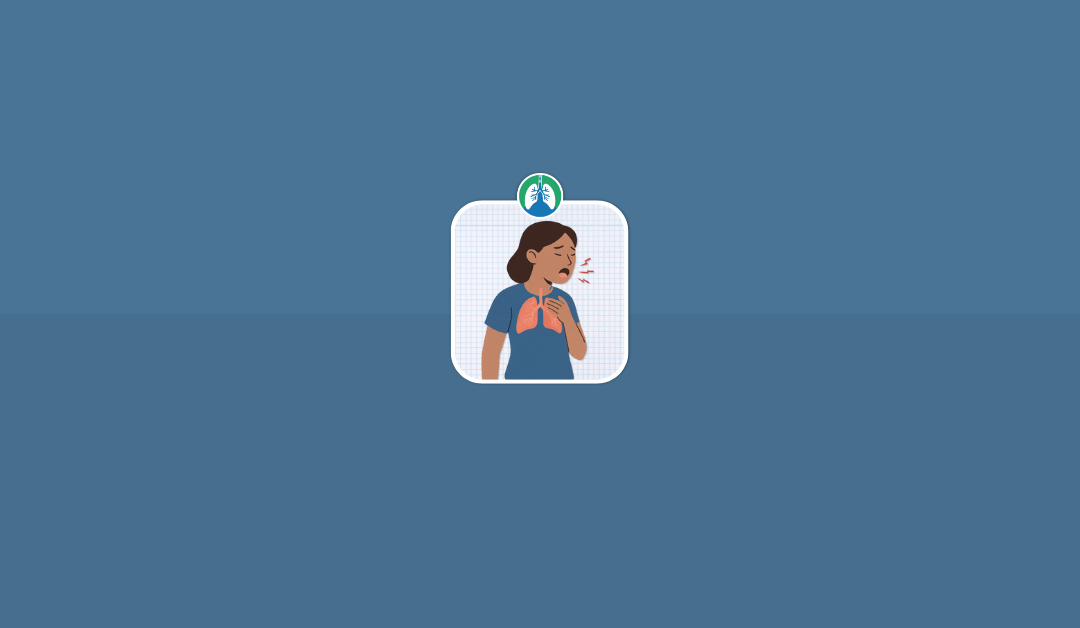
Why Do I Cough When I Laugh? (2026)
Discover why laughing can trigger coughing, common causes behind it, and when it may signal an underlying health issue.
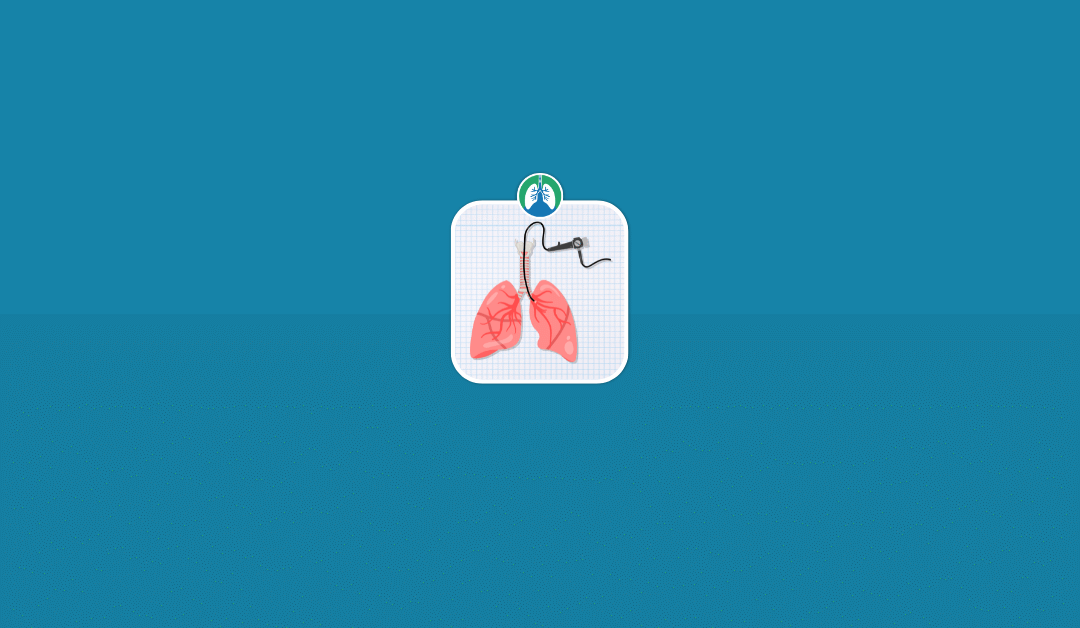
Bronchoalveolar Lavage: Overview and Practice Questions
Learn how bronchoalveolar lavage (BAL) aids in diagnosing lung infections, inflammation, and diseases through airway fluid analysis.

Bradypnea: Overview and Practice Questions (2026)
Learn what bradypnea is, its causes, and why recognizing slow breathing is crucial for respiratory therapists and patient care.

Tachypnea: Overview and Practice Questions (2026)
Learn what tachypnea is, its causes, and why recognizing rapid breathing is crucial for respiratory therapists and patient care.

Hemothorax vs. Pneumothorax: What’s the Difference? (2026)
Learn the key differences between hemothorax and pneumothorax, including causes, symptoms, and treatments for each condition.

Bronchopulmonary Dysplasia: Overview and Practice Questions
Learn what bronchopulmonary dysplasia is, its causes, symptoms, and why it matters for respiratory therapists in neonatal care.
Bradycardia: Overview and Practice Questions (2026)
Learn what bradycardia is, its causes, symptoms, and why it’s important for respiratory therapists in patient care.