
Bronchiectasis, asthma, and chronic obstructive pulmonary disease (COPD) are three distinct respiratory conditions that often present with overlapping symptoms, including chronic cough, wheezing, and shortness of breath. While they may appear similar at first glance, each has unique causes, underlying mechanisms, and approaches to treatment.
Understanding the differences between these conditions is essential for accurate diagnosis, effective management, and improving the quality of life for patients living with chronic lung disease.

Take our free course to master essential pathology concepts with TMC/CSE exam tips and helpful practice questions.
What is the Difference Between Bronchiectasis, Asthma, and COPD?
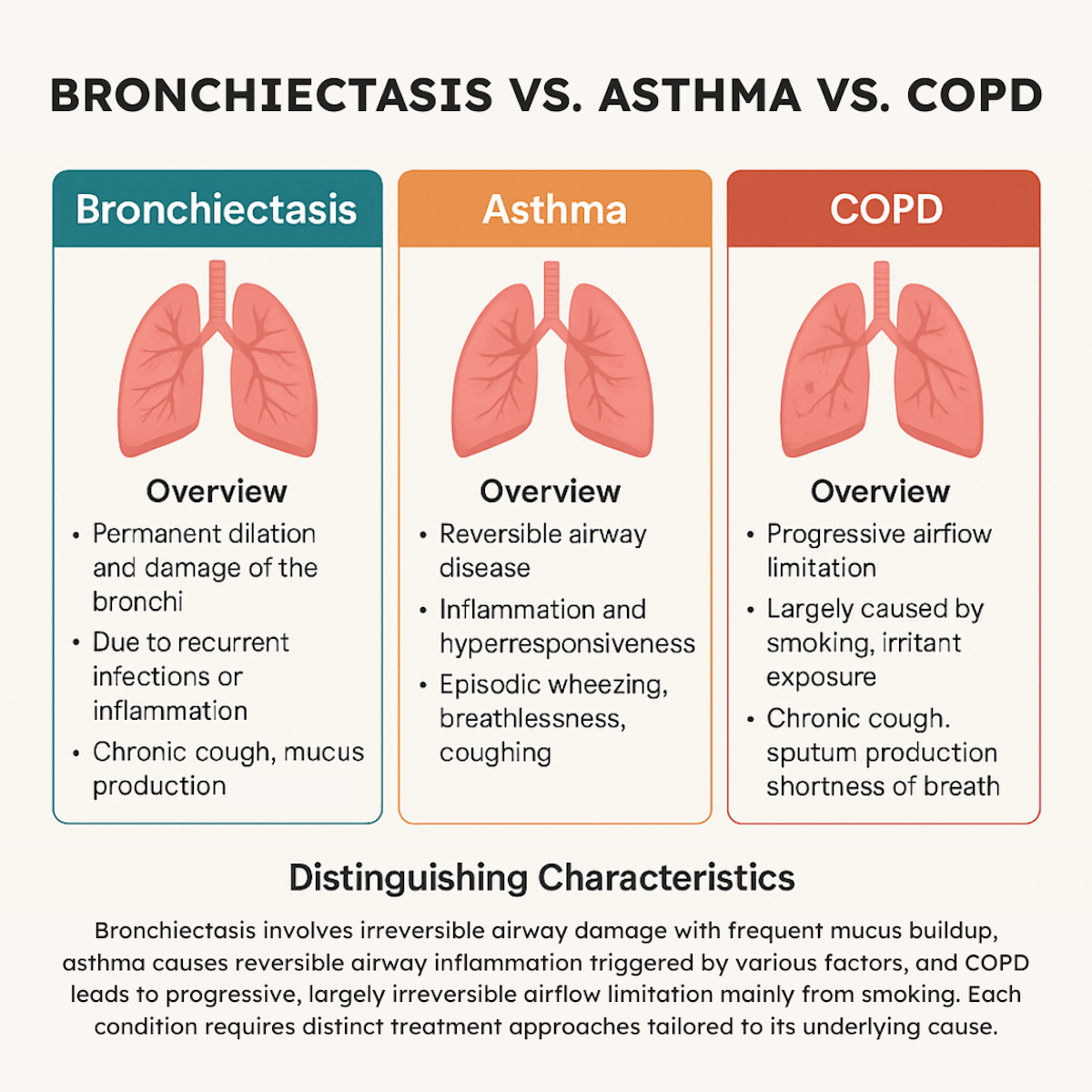
Bronchiectasis, asthma, and COPD are all chronic lung conditions, but differ in cause and presentation. Bronchiectasis is characterized by permanent dilation and damage of the bronchi due to recurrent infections or inflammation, leading to chronic cough, mucus production, and frequent infections. Asthma is a reversible airway disease where inflammation and hyperresponsiveness cause episodic wheezing, breathlessness, and coughing, often triggered by allergens, exercise, or irritants.
Unlike bronchiectasis, asthma symptoms usually improve with bronchodilators. COPD (chronic obstructive pulmonary disease), which includes emphysema and chronic bronchitis, is usually caused by smoking or long-term exposure to irritants. It involves progressive, largely irreversible airflow limitation, with symptoms such as chronic cough, sputum production, and shortness of breath.
Definitions and Key Differences
Bronchiectasis, asthma, and COPD are chronic respiratory conditions with unique causes, symptoms, and treatment approaches. Understanding their core definitions and differences helps clarify diagnosis and management strategies.
Bronchiectasis Overview
Bronchiectasis is a condition characterized by permanent enlargement and damage to the airways, leading to impaired mucus clearance. It often results from repeated infections or underlying disorders such as cystic fibrosis or immune deficiencies.
Patients typically experience chronic cough, excessive sputum production, and frequent respiratory infections. The airway damage allows bacteria to colonize more easily, causing persistent inflammation.
Diagnosis relies on imaging like high-resolution CT scans, which reveal dilated bronchi. Treatment focuses on managing infections, clearing mucus, and preventing further lung damage through antibiotics, airway clearance techniques, and sometimes surgery.
Asthma Overview
Asthma is a chronic inflammatory disorder of the airways, causing episodes of reversible airflow obstruction. It involves airway hyperresponsiveness to various triggers, such as allergens, exercise, or irritants.
Symptoms include wheezing, shortness of breath, chest tightness, and coughing, often worse at night or early morning. Unlike bronchiectasis, asthma’s airway changes are mostly functional and reversible with treatment.
Diagnosis is based on clinical history, lung function tests showing reversible obstruction, and sometimes allergy testing. Management centers on controlling inflammation with inhaled corticosteroids and relieving acute symptoms with bronchodilators.
COPD Overview
Chronic obstructive pulmonary disease (COPD) is a progressive lung disease characterized by airflow limitation that is not fully reversible. It mainly results from long-term exposure to harmful particles, especially tobacco smoke.
COPD combines features of chronic bronchitis and emphysema. Symptoms include chronic cough, sputum production, and exertional breathlessness that worsen over time.
Diagnosis involves spirometry, which shows persistent airflow obstruction. Treatment includes smoking cessation, bronchodilators, corticosteroids, and pulmonary rehabilitation to slow progression and improve quality of life.
Distinguishing Characteristics
Bronchiectasis differs by causing irreversible airway dilation and frequent mucus buildup, often due to infections or structural lung damage. Its management targets infection control and mucus clearance. Asthma is characterized by reversible airway obstruction and inflammation, which can be triggered by environmental or immune factors. It responds well to anti-inflammatory and bronchodilator therapies.
COPD features persistent, progressive airflow limitation primarily caused by smoking. Its airway changes combine inflammation, mucus hypersecretion, and alveolar destruction, making airflow obstruction less reversible.
Note: While all three cause cough and breathing difficulties, their pathophysiology, reversibility, and treatment goals vary significantly, guiding clinical decisions.
Common Symptoms and Clinical Presentation
Bronchiectasis, asthma, and COPD share several respiratory symptoms but differ in their patterns, triggers, and nature of secretions. Recognizing these subtleties helps in tailoring diagnosis and management.
Persistent Cough
A persistent cough appears in all three conditions but varies in character and onset. In bronchiectasis, the cough is chronic, often productive, and worsens during exacerbations. Asthma typically causes a dry or minimally productive cough that worsens at night or with exercise. It may be triggered by allergens or irritants.
COPD also produces a chronic cough, but it tends to worsen in the morning, accompanied by sputum expectoration. The cough develops gradually over years, correlating with smoking history or environmental exposure.
Breathlessness Patterns
Breathlessness presents distinctly across these diseases. In asthma, it is episodic with reversible airway obstruction, often triggered by allergens, cold air, or activity. Bronchiectasis leads to breathlessness that worsens during infections or flare-ups but can be stable between episodes.
COPD causes progressive, persistent breathlessness that worsens over time and is not fully reversible. It may improve temporarily with bronchodilators, but generally declines steadily.
Sputum Production Variations
Sputum characteristics help differentiate these conditions. Bronchiectasis commonly produces large amounts of purulent, foul-smelling sputum due to chronic bronchial infection. Asthma may involve little to moderate sputum, often clear or mucoid, mainly during exacerbations or infections.
COPD features moderate sputum production, especially in the chronic bronchitis phenotype, with mucus typically white or yellow. Exacerbations increase purulence and volume.
Causes and Risk Factors
Bronchiectasis, asthma, and COPD have overlapping but distinct causes. Environmental triggers, genetic factors, and lifestyle choices play significant roles in their development.
Infections and Environmental Triggers
Repeated respiratory infections are a major cause of bronchiectasis. Bacterial infections such as Haemophilus influenzae or Pseudomonas aeruginosa damage airway walls, leading to chronic inflammation. In asthma, allergens like pollen, dust mites, and air pollution often trigger airway constriction. COPD is strongly linked to chronic exposure to airborne irritants, including cigarette smoke and industrial pollutants, which cause persistent lung inflammation and airflow obstruction.
Genetic Predispositions
Certain genetic conditions increase the risk of bronchiectasis, including cystic fibrosis and primary ciliary dyskinesia. Asthma often runs in families, with specific gene variations affecting immune response and airway hyperreactivity. COPD has fewer clear genetic markers but alpha-1 antitrypsin deficiency is a known hereditary risk factor that can accelerate lung damage, especially in smokers.
Smoking and Occupational Exposures
Smoking is the primary risk factor for COPD, responsible for most cases worldwide. It damages the lungs directly and impairs immune defenses. Occupational exposures to dust, chemical vapors, and fumes can contribute to COPD and worsen asthma symptoms. Bronchiectasis may also develop in workers exposed to toxic substances, although this is less common than in COPD.
Diagnostic Approaches
Accurate diagnosis of bronchiectasis, asthma, and COPD relies on specific testing and imaging to identify characteristic features. Each condition demonstrates unique patterns in lung function, structural changes, and clinical presentation that guide appropriate diagnosis.
Lung Function Tests
Spirometry is essential for differentiating these diseases. Asthma shows reversible airflow obstruction with improvement after bronchodilator use. COPD exhibits persistent airflow limitation with reduced FEV1/FVC ratio despite treatment.
Bronchiectasis may have normal spirometry or demonstrate an obstructive, restrictive, or mixed pattern depending on severity and coexisting conditions. Additional tests like diffusing capacity (DLCO) can help.
Bronchoprovocation tests confirm airway hyperresponsiveness typical of asthma but are not present in COPD or bronchiectasis. Assessing lung volumes and gas exchange provides further information to distinguish these conditions.
Imaging Techniques
High-resolution CT (HRCT) is the gold standard for diagnosing bronchiectasis, showing bronchial dilation, wall thickening, and mucus plugging. Asthma and COPD generally lack these distinct structural abnormalities.
Chest X-rays can detect hyperinflation and flattening of the diaphragm in COPD, but are less sensitive than HRCT. Asthma imaging often appears normal unless severe or complicated by infection.
Note: Imaging helps exclude other causes and evaluates disease severity. HRCT findings combined with clinical data confirm bronchiectasis, differentiating it clearly from asthma and COPD.
Differential Diagnosis
Clinical history and symptoms guide the initial differentiation. Asthma typically presents with episodic wheezing and dyspnea, often starting in childhood or early adulthood. Symptoms improve with bronchodilators. COPD presents as progressive dyspnea, chronic cough, and sputum production, mainly in older adults with a smoking history. Symptoms persist despite a bronchodilator response.
Bronchiectasis involves a chronic productive cough with frequent infections. Repeated exacerbations and radiologic evidence distinguish it. Overlapping features demand a comprehensive clinical, functional, and imaging assessment.
Treatment Strategies
Treatment for bronchiectasis, asthma, and COPD involves targeted approaches to manage symptoms and improve lung function. These include precise medication regimens, physical therapies to enhance breathing, and techniques aimed at clearing mucus from the airways.
Medication Options
Medications vary by condition but focus primarily on reducing inflammation and relieving airway obstruction. In asthma, inhaled corticosteroids and beta-agonists are commonly prescribed to control inflammation and relax airway muscles. COPD treatment often combines bronchodilators with inhaled steroids to ease breathing and reduce flare-ups.
Bronchiectasis requires antibiotics to control bacterial infections and sometimes inhaled corticosteroids to reduce inflammation. Mucolytics may be used to thin mucus, aiding clearance. Choice and dosage depend on severity and symptom patterns, guided by regular monitoring.
Pulmonary Rehabilitation
Pulmonary rehabilitation is critical for COPD and bronchiectasis patients to enhance exercise tolerance and reduce breathlessness. It includes personalized exercise training aimed at strengthening respiratory muscles and improving cardiovascular fitness.
For asthma, rehabilitation may focus less on exercise and more on education regarding symptom management and avoidance of triggers. This approach supports better control of symptoms through physical conditioning and patient awareness.
Airway Clearance Techniques
Effective mucus clearance is essential, especially in bronchiectasis and some COPD cases. Techniques include postural drainage, chest physiotherapy, and positive expiratory pressure devices to mobilize and expel mucus.
Asthma generally requires fewer airway clearance techniques but may benefit from controlled breathing exercises to prevent airway tightening. These methods reduce infection risk and improve airflow by preventing mucus retention.
Disease Progression and Prognosis
Bronchiectasis is a chronic condition characterized by irreversible dilation of the bronchi. It often progresses with recurrent infections and inflammation. Over time, this leads to worsening lung function, increased mucus production, and frequent exacerbations.
Asthma, by contrast, is generally a reversible airway disease. With proper management, many patients maintain good control and normal lung function. However, poorly controlled asthma can lead to airway remodeling and increased severity over time.
COPD is a progressive disease marked by persistent airflow limitation. It typically worsens gradually, especially in smokers or those exposed to lung irritants. Exacerbations can accelerate decline, leading to increased disability and risk of mortality.
Prognosis
The prognosis for each disease varies significantly:
- Bronchiectasis patients may experience stable periods but are prone to recurrent infections, which can significantly impact their quality of life.
- Asthma prognosis is favorable if controlled, but it can worsen with repeated severe attacks.
- COPD has a generally poorer long-term outlook, especially in advanced stages or with ongoing risk factors.
Note: Frequent monitoring and management are essential in all three diseases to slow progression and reduce complications.
Impact on Quality of Life
Bronchiectasis often leads to persistent coughing and frequent respiratory infections. These symptoms can cause fatigue and social withdrawal, affecting daily activities and mental health. The chronic nature of bronchiectasis requires regular medical care and airway clearance techniques.
Asthma can vary in severity, with symptoms ranging from mild to life-threatening. Uncontrolled asthma may limit physical activity and disrupt sleep, reducing overall well-being. However, effective management with inhalers can help maintain normal daily function for many patients.
COPD typically causes progressive breathlessness and reduced exercise tolerance. This can lead to difficulty performing routine tasks and a decline in independence. Exacerbations often result in hospital visits, increased anxiety, and decreased quality of life.
All three conditions can influence mental health due to chronic symptoms and limitations. Anxiety and depression are common among patients managing respiratory diseases. Support from healthcare providers and family plays a crucial role in coping strategies.
Patients with bronchiectasis, asthma, or COPD often experience varying degrees of social isolation. Respiratory symptoms and fear of exacerbations can reduce participation in work and leisure activities. Tailored treatment plans aim to minimize symptom burden and improve life quality.
Final Thoughts
Although bronchiectasis, asthma, and COPD share certain symptoms, they are fundamentally different in their causes, progression, and treatment strategies. Bronchiectasis stems from structural airway damage and recurrent infections, asthma involves reversible airway inflammation and hyperreactivity, and COPD is a progressive condition most often tied to smoking and long-term irritant exposure.
Recognizing these differences is vital for healthcare providers to deliver targeted therapies and for patients to better understand and manage their condition. By distinguishing one from another, individuals can receive the most appropriate care, reduce complications, and maintain better respiratory health over the long term.

Written by:
John Landry is a registered respiratory therapist from Memphis, TN, and has a bachelor's degree in kinesiology. He enjoys using evidence-based research to help others breathe easier and live a healthier life.
References
- Tzortzaki EG, Proklou A, Siafakas NM. Asthma in the Elderly: Can We Distinguish It from COPD? J Allergy (Cairo). 2011.