Learn about atelectasis, including causes, symptoms, diagnosis, and treatment strategies to improve lung function and prevent complications.
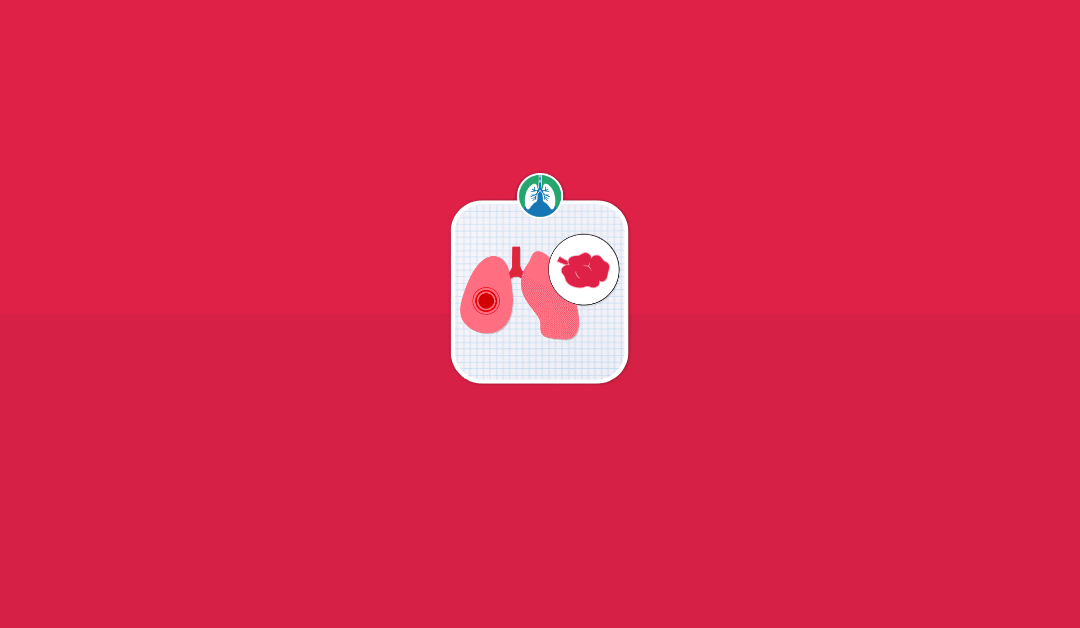

Learn about atelectasis, including causes, symptoms, diagnosis, and treatment strategies to improve lung function and prevent complications.
Learn about polycythemia, its causes, symptoms, and treatment, and how it affects oxygen transport and cardiopulmonary function.
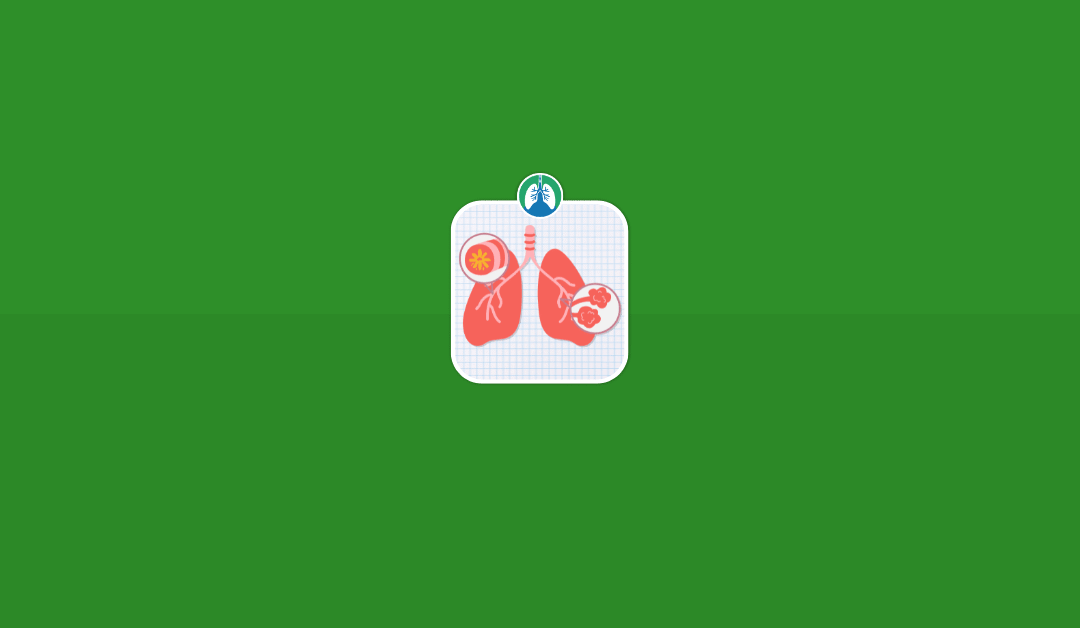
Learn about cystic fibrosis, including causes, symptoms, diagnosis, and treatment strategies for managing this chronic genetic disease.
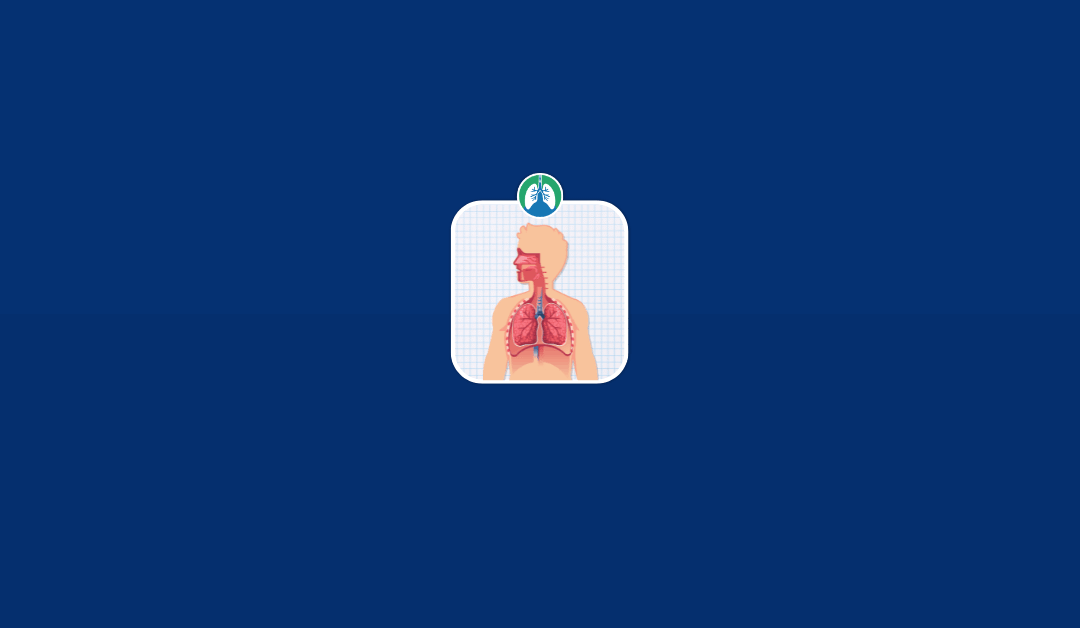
Learn the differences between respiratory distress, failure, and arrest, including signs, causes, and when immediate intervention is needed.
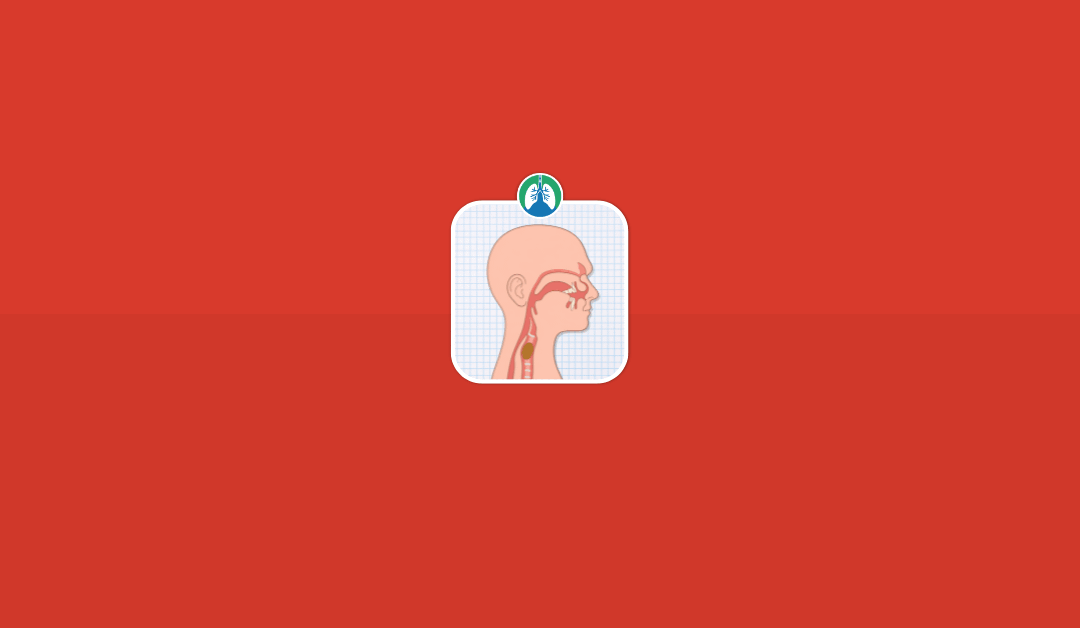
Learn about aspiration, including the causes, risk factors, complications, and prevention strategies to improve patient outcomes.

Sleep physiology involves the study of sleep and how to care for patients with sleep disorders, such as sleep apnea.
Learn about influenza, including symptoms, causes, and prevention strategies to reduce complications and improve respiratory outcomes.
Learn about respiratory syncytial virus (RSV), including causes, symptoms, pathophysiology, treatment, and prevention strategies.
Learn the types of upper respiratory infections, including symptoms, causes, and treatment options for better diagnosis and care.
Learn about intracranial pressure (ICP), its causes, effects on cerebral perfusion, and key strategies for monitoring and management.
Learn fluid overload causes, symptoms, diagnosis, and treatment, including pulmonary edema, hemodynamics, and respiratory care management.

Learn about refractory hypoxemia, its causes, pathophysiology, and treatments like PEEP, mechanical ventilation, and prone positioning.
Learn what hypoxemia is, its causes, symptoms, and treatment, including V/Q mismatch, shunting, and impaired oxygen delivery.
Learn the causes of hypoxemia, including hypoventilation, V/Q mismatch, shunting, and diffusion problems, and how they affect oxygen levels.
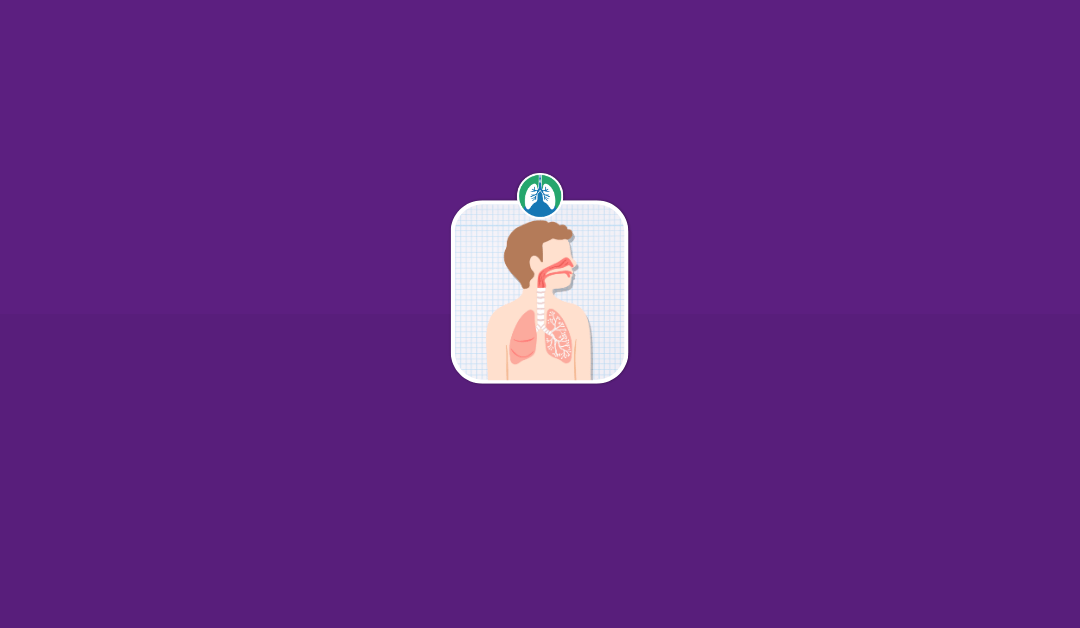
Learn how Guillain-Barré syndrome causes respiratory failure, including symptoms, diagnosis, ventilatory support, and treatment strategies.
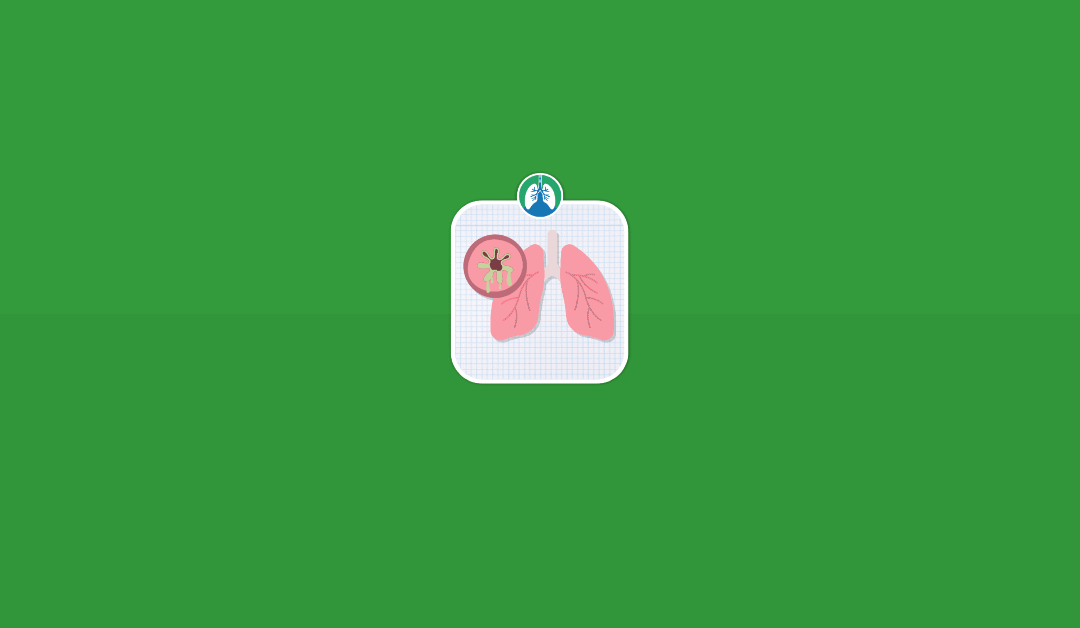
Learn about bronchiectasis, including causes, symptoms, diagnosis, treatment, and why it matters in respiratory care and clinical practice.
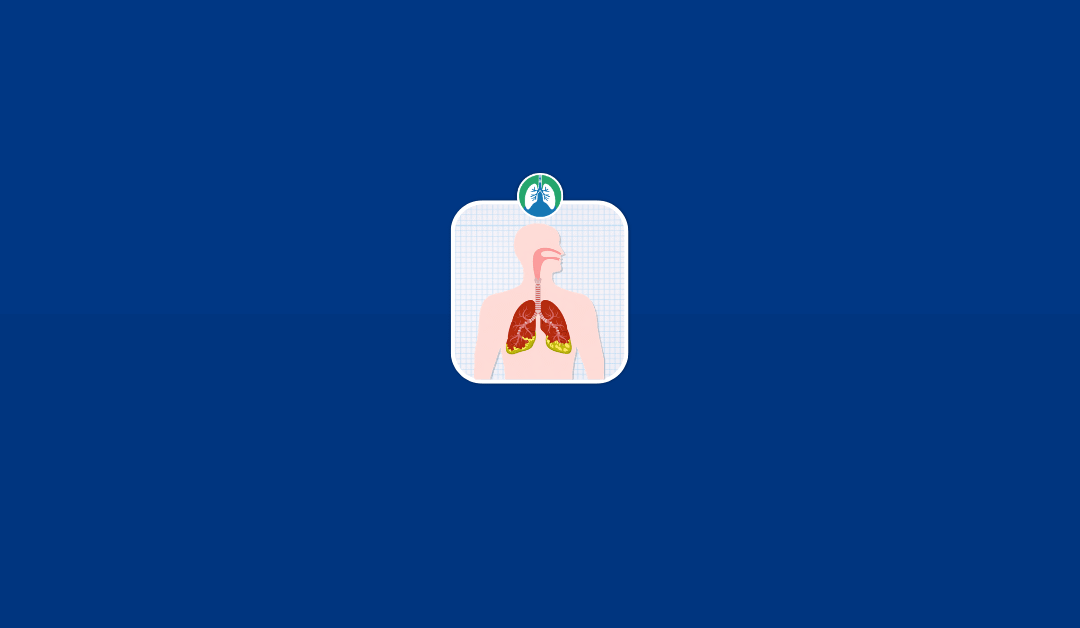
Learn what ARDS is, its causes, symptoms, diagnosis, and treatment, and why it’s important in respiratory care and critical care medicine.
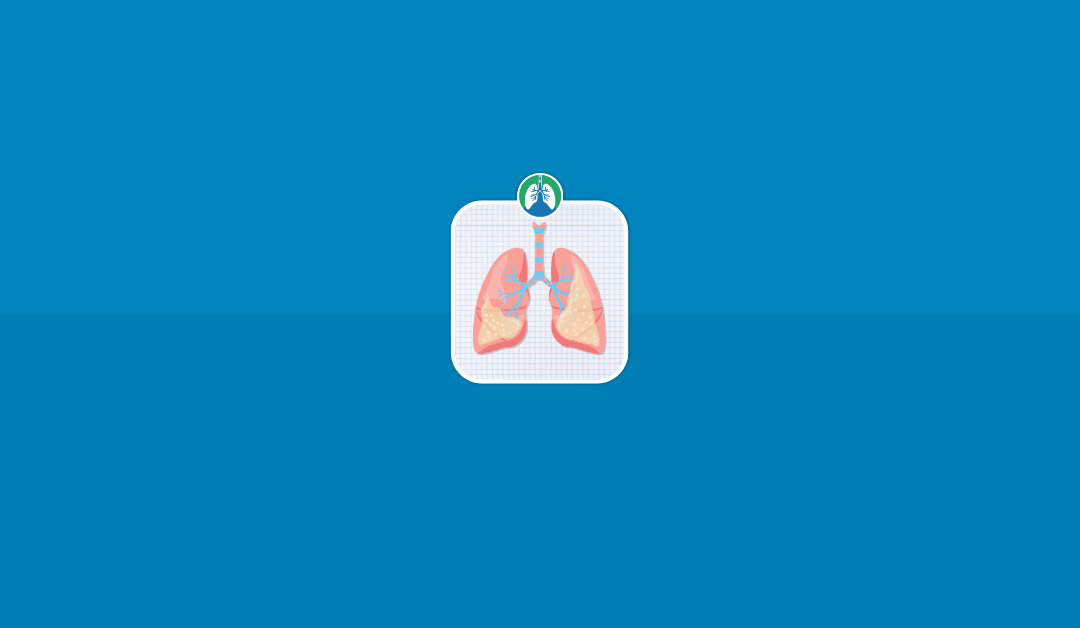
Learn what pulmonary edema is, its causes, symptoms, and treatments, and why it’s important for respiratory therapists in clinical care.
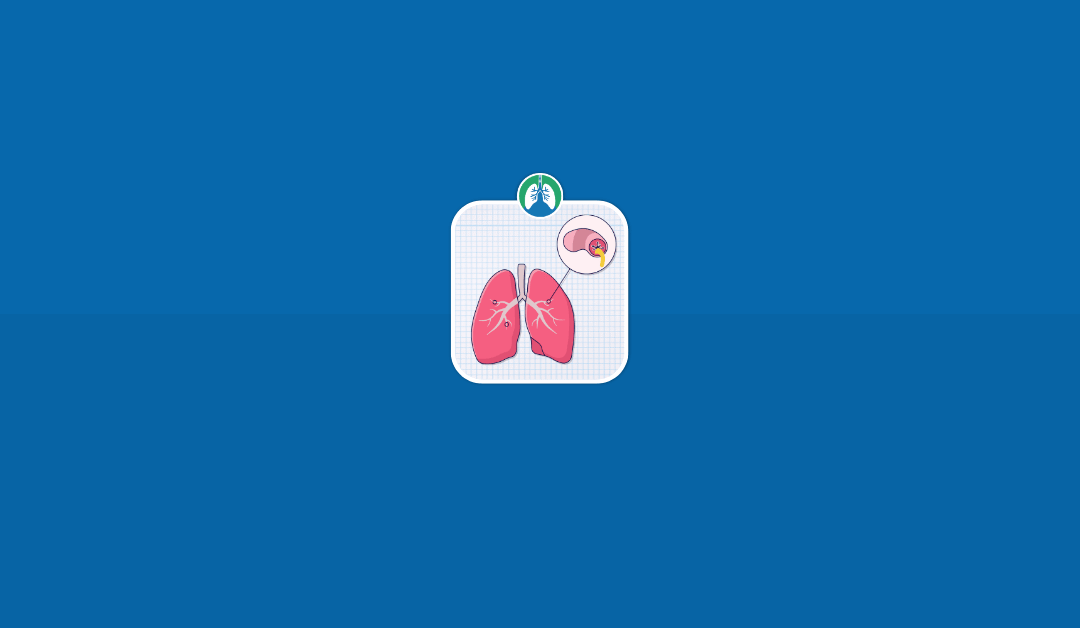
Learn what chronic bronchitis is, its causes, symptoms, pathophysiology, and its role in respiratory care and management.
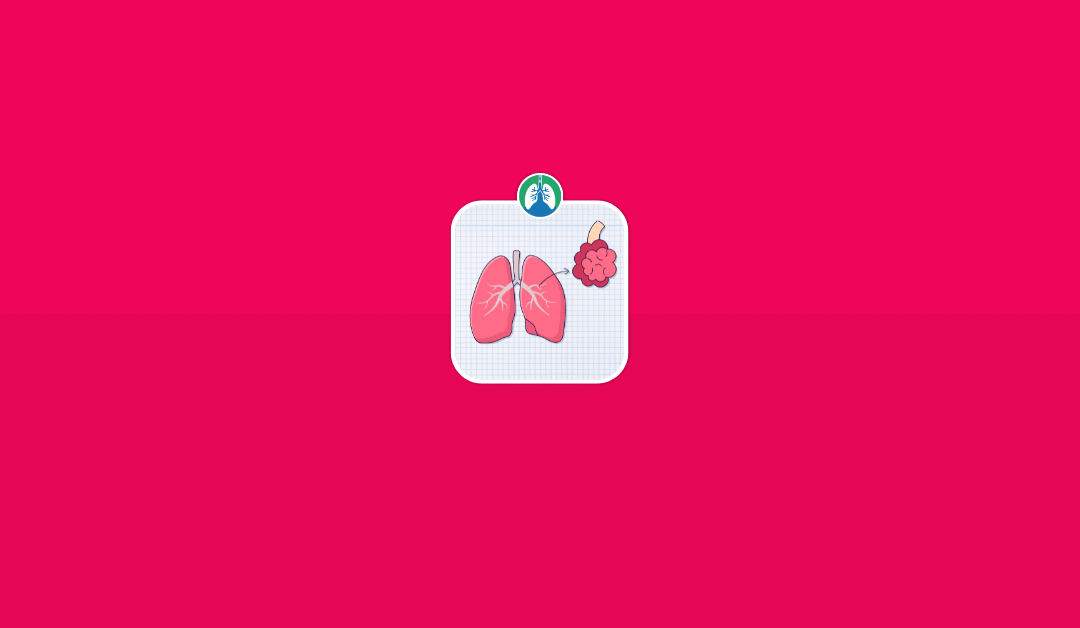
Learn what emphysema is, its causes, symptoms, pathophysiology, and why it matters in respiratory care and clinical practice.