Learn what leukocytes are, their role in immune defense, and why white blood cells matter in respiratory care and lung disease.


John Landry is a registered respiratory therapist from Memphis, TN, and has a bachelor’s degree in kinesiology. He enjoys using evidence-based research to help others breathe easier, live healthier, and improve their overall quality of life.

Learn what leukocytes are, their role in immune defense, and why white blood cells matter in respiratory care and lung disease.
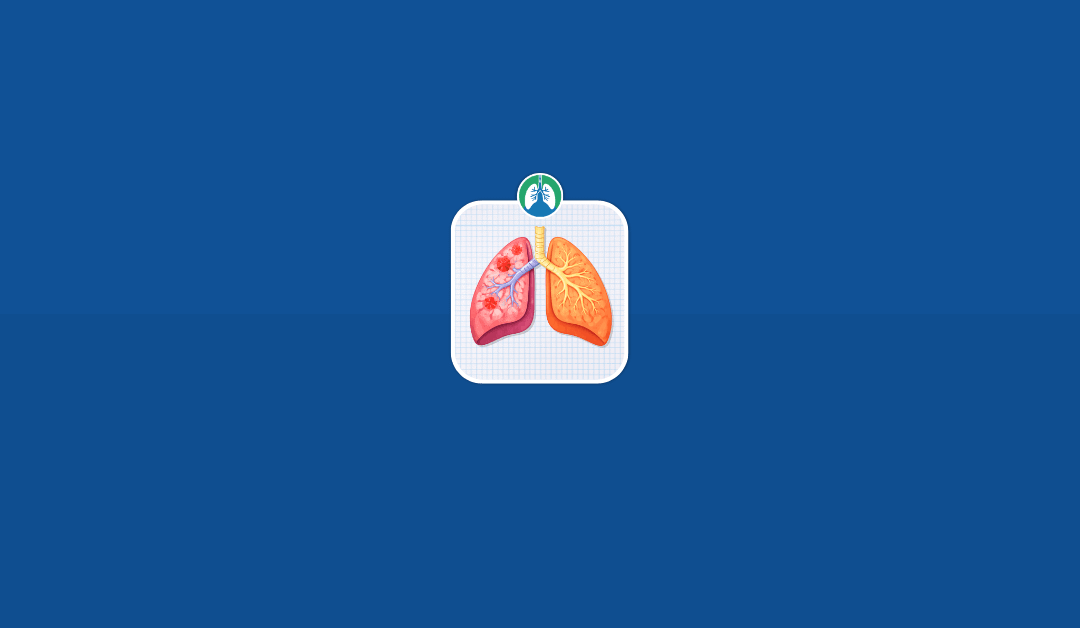
Learn whether asthma can turn into COPD and how long-term asthma may lead to lasting airway damage and COPD-like symptoms.

Learn why severe coughing can trigger vomiting, common causes behind it, and when this symptom may signal an underlying health issue.

Learn why chronic alcohol use causes persistent coughing, airway irritation, reflux, infections, and long-term respiratory problems.

Learn where phlegm comes from, why the body produces it, and what changes in mucus can reveal about your respiratory health.

Learn what you can safely add to humidifier water, which additives to avoid, and how to protect respiratory health and indoor air quality.

Learn what coughing up lumps of jelly means, common causes, and when thick, jelly-like mucus may signal a serious health issue.

Learn what cardiac tamponade is, how it affects breathing and circulation, and why early recognition is critical in respiratory care.

Learn how nebulizers work, their types, performance factors, infection risks, and why they are essential in respiratory care.

Learn the key differences between labored and unlabored breathing and how each pattern signals normal breathing or respiratory distress.

Learn what chest trauma is, common injury types, and why it is critical to respiratory care, ventilation, and patient outcomes.

Learn what inspiratory capacity is, how it’s measured, and why it matters in assessing lung function and respiratory disease.

Learn what residual volume is, why it matters in respiratory care, and how it helps assess lung function and disease.

Learn what expiratory reserve volume (ERV) is, why it matters in respiratory care, and how it reflects lung function and mechanics.

Learn what inspiratory reserve volume (IRV) is, why it matters in respiratory care, and how it reflects lung function and physiology.

Learn what vital capacity is, how it’s measured, and why it’s important for assessing lung function and respiratory health.

Learn what tidal volume is, why it matters in respiratory care, and how it impacts ventilation, gas exchange, and patient safety.

Learn what total lung capacity (TLC) is, how it’s measured, and why it’s essential for diagnosing and managing respiratory disease.

Learn what functional residual capacity (FRC) is, why it matters in respiratory care, how it’s measured, and its clinical significance.

Learn how a bronchoprovocation study detects airway hyperreactivity, aiding in the diagnosis and management of asthma.