
Respiratory Therapy Blog

Labored vs. Unlabored Breathing: What’s the Difference?
Learn the key differences between labored and unlabored breathing and how each pattern signals normal breathing or respiratory distress.

Chest Trauma: Overview and Practice Questions (2026)
Learn what chest trauma is, common injury types, and why it is critical to respiratory care, ventilation, and patient outcomes.

Inspiratory Capacity (IC): Overview and Practice Questions
Learn what inspiratory capacity is, how it’s measured, and why it matters in assessing lung function and respiratory disease.

Residual Volume (RV): Overview and Practice Questions (2026)
Learn what residual volume is, why it matters in respiratory care, and how it helps assess lung function and disease.

Expiratory Reserve Volume (ERV): An Overview (2026)
Learn what expiratory reserve volume (ERV) is, why it matters in respiratory care, and how it reflects lung function and mechanics.

Inspiratory Reserve Volume (IRV): An Overview (2026)
Learn what inspiratory reserve volume (IRV) is, why it matters in respiratory care, and how it reflects lung function and physiology.

Vital Capacity (VC): Overview and Practice Questions (2026)
Learn what vital capacity is, how it’s measured, and why it’s important for assessing lung function and respiratory health.

Tidal Volume (VT): Overview and Practice Questions (2026)
Learn what tidal volume is, why it matters in respiratory care, and how it impacts ventilation, gas exchange, and patient safety.

Total Lung Capacity (TLC): Overview and Practice Questions
Learn what total lung capacity (TLC) is, how it’s measured, and why it’s essential for diagnosing and managing respiratory disease.

Functional Residual Capacity (FRC): An Overview (2026)
Learn what functional residual capacity (FRC) is, why it matters in respiratory care, how it’s measured, and its clinical significance.

Bronchoprovocation Study: Overview and Practice Questions
Learn how a bronchoprovocation study detects airway hyperreactivity, aiding in the diagnosis and management of asthma.

Methacholine Challenge Test: Overview and Practice Questions
Learn what the methacholine challenge test is, how it works, and why it’s important in diagnosing asthma and airway hyperresponsiveness.

Gas Distribution Tests: Overview and Practice Questions
Learn what gas distribution tests are, the different types used, and how they help assess lung volumes and ventilation abnormalities.

Body Plethysmography: Overview and Practice Questions (2026)
Learn how body plethysmography measures lung volumes to help respiratory therapists diagnose, treat, and manage respiratory conditions.

Diffusing Capacity of the Lungs for Carbon Monoxide (DLCO)
Learn what DLCO is, how it measures gas exchange in the lungs, and why it is a vital pulmonary function test in respiratory care.

Vital Signs: Overview and Practice Questions (2026)
Learn what vital signs are, the different types, and why they are essential for patient assessment and respiratory care.

Spirometry: Overview and Practice Questions (2026)
Learn what spirometry is, how it works, and why it is a vital diagnostic tool for respiratory therapists in the field of respiratory care.

Diaphragm: Overview and Practice Questions (2026)
Learn about the diaphragm, its role in breathing, and why it’s vital for respiratory therapists in patient care and recovery.
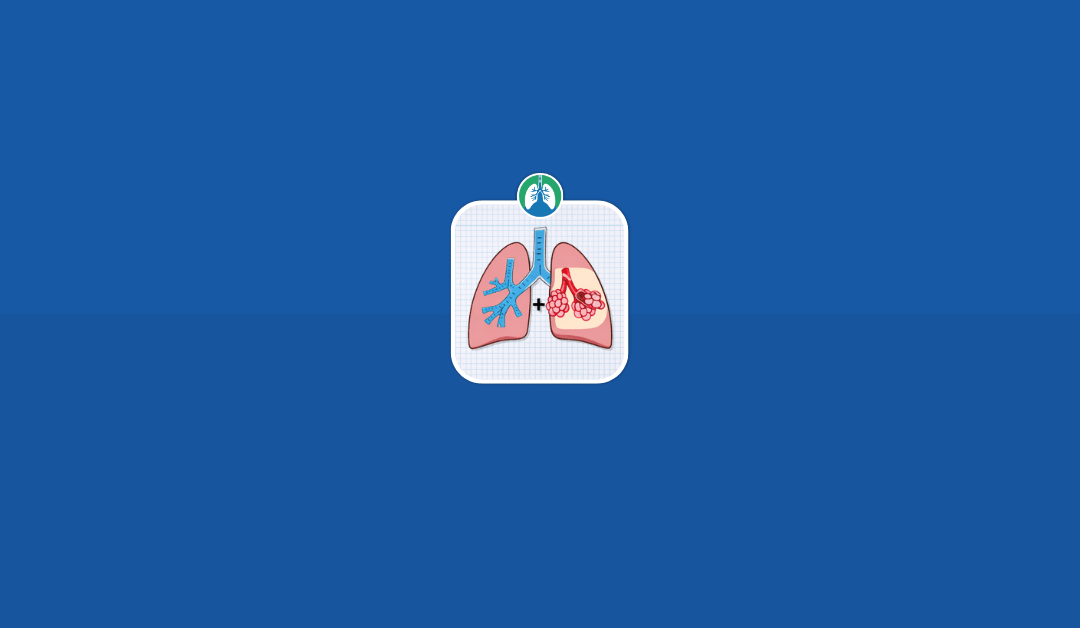
Dead Space Ventilation: Overview and Practice Questions
Learn about dead space ventilation, its types, causes, and clinical significance in respiratory care and critical care settings.

Pulmonary Embolism: Overview and Practice Questions (2026)
Learn what a pulmonary embolism is, how it affects breathing and circulation, and why early recognition is critical in respiratory care.