
Sleeping with fluid in the lungs can be uncomfortable and, in some cases, frightening due to symptoms like shortness of breath, coughing, and a feeling of heaviness in the chest. These symptoms often become more noticeable when lying flat, making it difficult to get the rest your body needs.
Whether the fluid is caused by heart failure, infection, or another underlying condition, knowing how to position your body and manage symptoms at night can make a significant difference. In this article, we will explore practical tips to help you breathe easier and sleep more comfortably.

Download our free guide that has over 100+ of the best tips for healthy lungs.
How to Sleep With Fluid in Your Lungs
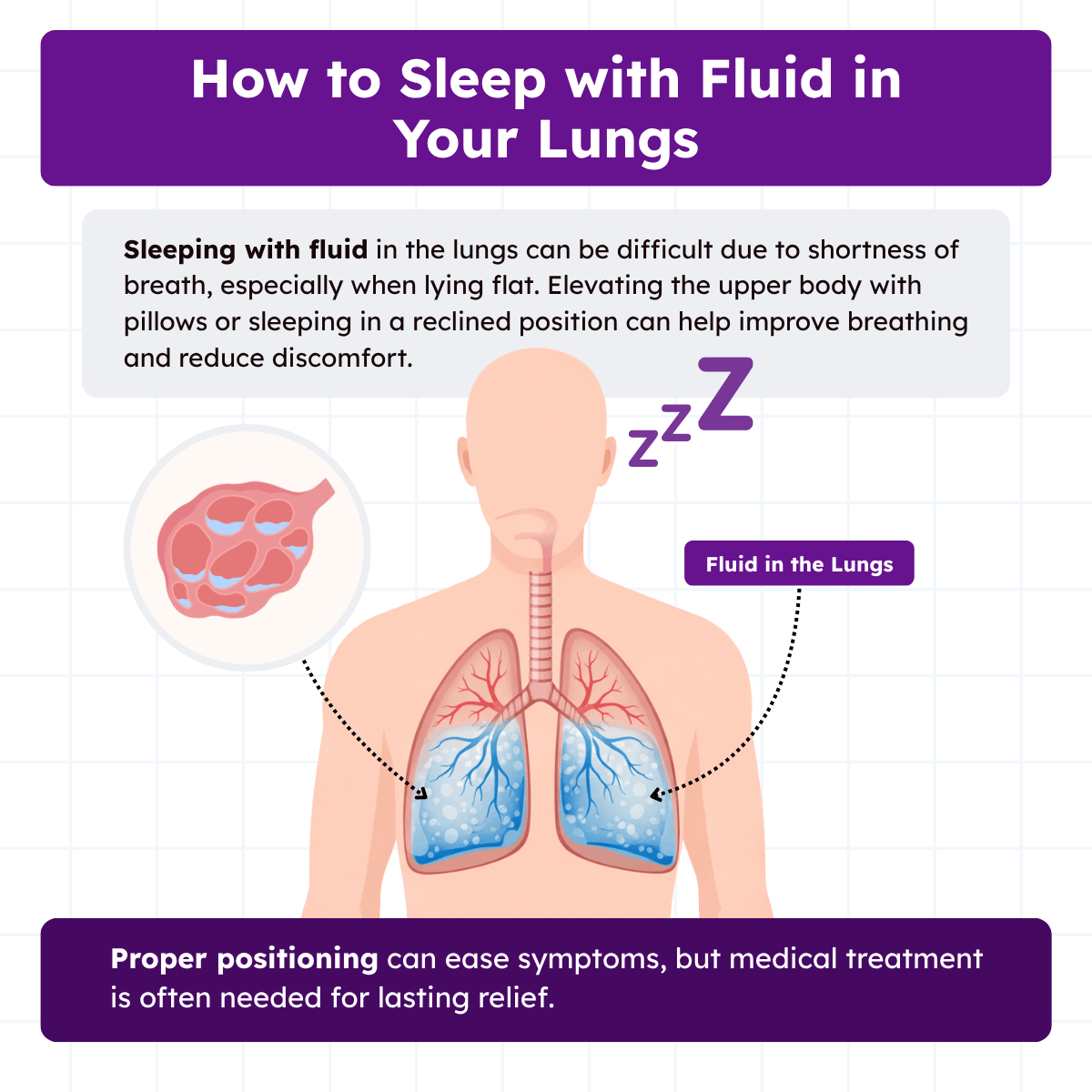
Sleeping with fluid in the lungs can be challenging, but a few simple adjustments can help improve comfort and breathing. The most important step is to avoid lying flat, as this can worsen shortness of breath. Instead, sleep with your upper body elevated using pillows or an adjustable bed to reduce pressure on the lungs.
Side sleeping, particularly on your healthier side, may also help improve airflow. Using a humidifier can keep airways moist, while practicing slow, controlled breathing before bed can reduce coughing and anxiety.
It’s also important to follow your prescribed treatments, such as medications or oxygen therapy, as directed. If symptoms worsen at night or you experience severe breathing difficulty, seek medical attention promptly, as this may indicate a serious underlying condition.
Understanding Fluid in the Lungs
Fluid accumulation in the lungs occurs when excess liquid collects in the air sacs or surrounding tissue, making breathing difficult. This condition requires immediate medical attention and proper understanding of its causes, symptoms, and potential health risks.
Causes of Fluid Buildup
Heart failure is the most common cause of pulmonary fluid accumulation. When the heart cannot pump blood effectively, pressure builds in the blood vessels of the lungs, forcing fluid into the air sacs. This type is called cardiogenic pulmonary edema.
Non-cardiogenic causes include pneumonia, severe infections, kidney disease, and exposure to certain toxins or high altitudes. Acute respiratory distress syndrome (ARDS) can develop after trauma, sepsis, or severe illness.
Other contributing factors include liver disease, protein deficiency, blood clots in the lungs, and certain medications. Fluid overload from excessive intravenous fluids or rapid blood transfusions may also lead to accumulation.
Common Symptoms
Difficulty breathing is the primary symptom, particularly when lying flat. Patients often need to prop themselves up with pillows or sit upright to breathe more comfortably. Shortness of breath may worsen with physical activity or occur suddenly at rest.
Additional symptoms include rapid, shallow breathing, wheezing, and a persistent cough that may produce frothy or blood-tinged sputum. Many individuals experience chest tightness or a feeling of suffocation.
Physical signs include rapid heartbeat, excessive sweating, pale or bluish skin, and anxiety. Swelling in the legs and abdomen may accompany fluid buildup, especially when heart failure is the underlying cause.
Potential Complications
Untreated pulmonary edema can lead to respiratory failure, requiring mechanical ventilation support. Oxygen levels drop dangerously low while carbon dioxide accumulates in the blood, creating a life-threatening emergency.
Chronic fluid buildup increases the risk of lung infections and pneumonia. The standing fluid provides an environment for bacterial growth, complicating treatment and recovery.
Heart complications may worsen as the condition progresses. The strain on the cardiovascular system can lead to irregular heart rhythms, further heart damage, or cardiac arrest if left unmanaged.
Dangers of Lying Down With Fluid in the Lungs
Lying flat increases pressure on the lungs and heart, making it harder for the body to manage excess fluid. This position can trigger breathing problems and reduce oxygen delivery to vital organs.
Breathing Risks at Night
When a person lies down with pulmonary edema, gravity causes fluid to spread more evenly throughout the lung tissue. This redistribution blocks more air sacs than when sitting or standing upright. The affected person may experience sudden shortness of breath, often waking them from sleep.
Orthopnea, the medical term for difficulty breathing while lying flat, forces many patients to sleep propped up on multiple pillows. Without elevation, the diaphragm has less room to expand downward because abdominal organs push upward. This restricted movement makes each breath require more effort.
Paroxysmal nocturnal dyspnea can occur one to two hours after falling asleep. The person wakes up gasping for air and must sit up or stand to breathe more easily. This condition happens because fluid gradually accumulates in the lungs during horizontal rest.
Impact on Oxygen Levels
Fluid-filled air sacs cannot exchange oxygen and carbon dioxide properly. Blood passing through affected areas of the lung fails to pick up adequate oxygen, leading to hypoxemia. Oxygen saturation levels may drop below 90%, compared to the normal range of 95% to 100%.
The body responds to low oxygen by increasing heart rate and breathing rate. These compensatory mechanisms place additional strain on an already stressed cardiovascular system. Fingers, lips, and skin may develop a bluish tint called cyanosis when oxygen levels become critically low.
Reduced oxygen delivery affects brain function, causing confusion, difficulty concentrating, and drowsiness. Other organs also suffer from inadequate oxygen supply, potentially leading to kidney damage or liver dysfunction if the condition persists.
Worsening of Underlying Conditions
Heart failure patients face increased cardiac workload when lying flat with lung fluid. The heart must pump harder against elevated pressure in the pulmonary vessels. This extra strain can trigger acute decompensation of chronic heart failure.
Patients with kidney disease experience slower fluid removal when horizontal, as renal blood flow patterns change with body position. The kidneys become less efficient at filtering excess fluid during sleep. Blood pressure may also rise during nighttime hours due to fluid redistribution.
Respiratory infections become more likely when fluid pools in the lungs overnight. Bacteria thrive in the moist environment, increasing pneumonia risk. Existing lung conditions like COPD or asthma deteriorate faster when pulmonary edema remains untreated.
Best Sleeping Positions for Lung Fluid
Proper positioning during sleep can help reduce pressure on the lungs and improve breathing when fluid is present. Elevation and side sleeping are generally most beneficial for managing symptoms.
Upright and Elevated Sleeping
Sleeping in an upright or semi-upright position is often the most effective way to reduce lung fluid symptoms. This position uses gravity to pull fluid away from the upper lungs, making breathing easier and reducing coughing.
A reclined angle of 30 to 45 degrees works well for most people. This can be achieved using an adjustable bed, a wedge pillow, or multiple stacked pillows. Some people find sleeping in a recliner chair provides adequate support and elevation.
The upright position also helps prevent fluid from pooling in specific areas of the lungs during the night. It reduces the work required for breathing by allowing the diaphragm to move more freely. Many patients with pulmonary edema or congestive heart failure report immediate improvement in symptoms when sleeping elevated.
Sleeping on Your Side
Side sleeping can be beneficial when combined with elevation. The left side is often recommended because it may reduce pressure on the heart and improve circulation. This position allows one lung to remain relatively clear while the other bears more of the fluid burden.
People who cannot tolerate sleeping fully upright may find side sleeping more comfortable. Using a body pillow or placing a pillow between the knees can help maintain proper alignment. The affected lung, if fluid is concentrated on one side, should generally face upward to minimize compression.
Positions to Avoid
Sleeping flat on the back should be avoided when dealing with lung fluid. This position allows fluid to spread across both lungs and can severely restrict breathing. It often leads to increased coughing, wheezing, and shortness of breath throughout the night.
Lying completely flat in any position puts maximum pressure on the respiratory system. The prone position (lying face down) is also not recommended as it can restrict chest expansion and make breathing more difficult.
Using Pillows and Mattress Adjustments
Elevating the upper body reduces fluid accumulation in the lungs by using gravity to shift fluid downward. Strategic pillow placement and bed modifications create the necessary incline for easier breathing during sleep.
Optimal Pillow Arrangement
The ideal setup involves stacking two to three firm pillows to elevate the head and chest at a 30 to 45-degree angle. This angle prevents fluid from pooling in the upper lungs while maintaining neck alignment.
Patients should avoid using soft or overly plush pillows that compress during the night. Firm foam or wedge-shaped pillows maintain consistent elevation throughout sleep. The pillow stack should support the entire upper back, not just the head and neck.
Side sleepers benefit from placing an additional pillow between the knees to maintain spinal alignment. A body pillow can provide extra support and prevent rolling onto the back during sleep. Some individuals find that hugging a pillow while sleeping on their side reduces pressure on the chest.
Adjustable Beds and Wedges
Adjustable bed frames offer precise control over upper body elevation without requiring multiple pillows. These beds allow users to find their optimal angle and maintain it consistently throughout the night.
Wedge pillows provide a cost-effective alternative to adjustable beds. Medical-grade foam wedges typically measure 7 to 12 inches in height at their peak and span the width of the bed. They create a gradual incline that distributes weight evenly across the back.
The wedge should extend from the hips to the head for proper support. Placing it only under the upper back creates an uncomfortable bend in the spine. Most wedges include a removable cover for easy cleaning, which is important for patients managing respiratory conditions.
Medication Management Before Bedtime
Proper timing and administration of prescribed medications can significantly reduce fluid buildup and improve breathing during sleep. Patients should follow their healthcare provider’s specific instructions regarding dosage and timing to maximize therapeutic benefits overnight.
Diuretics and Fluid Reduction
Diuretics help the body eliminate excess fluid through increased urination. Healthcare providers typically prescribe these medications to reduce pulmonary congestion and ease breathing difficulties.
The timing of diuretic doses requires careful consideration. Most doctors recommend taking the last dose in the late afternoon, usually between 4 PM and 6 PM. This schedule allows the medication to work before bedtime while reducing nighttime bathroom trips that disrupt sleep.
Patients should monitor their fluid intake during evening hours as directed by their physician. Recording daily weight at the same time each day helps track fluid retention patterns. A sudden weight gain of two to three pounds within 24 hours may indicate worsening fluid accumulation.
Note: Common diuretics include furosemide, bumetanide, and torsemide. Each medication has different potency levels and duration of action. Patients must take the exact dose prescribed without adjusting amounts independently.
Bronchodilators and Supplemental Oxygen
Bronchodilators relax airway muscles and improve air flow to the lungs. These medications become particularly important at night when lying flat can worsen breathing difficulties. Short-acting bronchodilators provide quick relief for acute symptoms, while long-acting versions maintain open airways throughout the night. Patients with fluid in the lungs often use both types as prescribed by their doctor.
Supplemental oxygen therapy may be necessary for individuals with severe fluid accumulation. The oxygen flow rate and delivery method depend on blood oxygen saturation levels measured by pulse oximetry. Nasal cannulas or face masks deliver oxygen based on individual needs.
Patients should keep their oxygen equipment clean and positioned safely near the bed. The tubing length must allow comfortable movement during sleep without creating tripping hazards. Regular equipment checks ensure proper function throughout the night.
Breathing Techniques to Improve Sleep
Controlled breathing can help reduce anxiety and promote better oxygen exchange when sleeping with fluid in the lungs. Specific techniques and medical devices work together to ease respiratory distress during nighttime hours.
Deep Breathing Exercises
Diaphragmatic breathing strengthens the primary breathing muscle and helps clear fluid from the lungs. The person should lie on their back with knees bent, placing one hand on the chest and another on the belly. They inhale slowly through the nose for 4 counts, ensuring the belly rises while the chest remains relatively still.
The exhale should last 6-8 counts through pursed lips, which creates gentle back pressure in the airways. This technique keeps small airways open longer and prevents fluid accumulation.
Pursed-lip breathing can be practiced while lying in an elevated position. The individual breathes in through the nose for 2 counts, then exhales through pursed lips for 4-6 counts. This method reduces breathing rate and improves ventilation efficiency.
Note: Practicing these exercises for 5-10 minutes before bed helps establish a calmer respiratory pattern. The person should avoid forcing breaths or breathing too rapidly, as this can cause dizziness.
Using a Nebulizer or Inhaler
A nebulizer converts liquid medication into a fine mist that reaches deep into the lungs. Patients with pulmonary edema often use bronchodilators or prescribed medications 30-60 minutes before sleep. The treatment typically lasts 10-15 minutes and helps open airways while reducing fluid buildup.
Inhalers deliver medication in metered doses and work faster than nebulizers for some medications. The person should shake the inhaler, exhale fully, then press down while inhaling slowly and deeply. Holding the breath for 10 seconds allows the medication to settle in the lungs.
Note: Rescue inhalers should remain on the nightstand for emergency use during sleep. Regular use of prescribed respiratory medications reduces nighttime breathing difficulties and improves overall sleep quality.
Lifestyle Modifications for Better Sleep
Making targeted changes to daily habits can reduce nighttime fluid accumulation and improve breathing comfort. Adjusting meal timing and establishing consistent sleep patterns help minimize pulmonary congestion during rest.
Managing Diet and Fluid Intake
People with fluid in the lungs should limit fluid consumption 2-3 hours before bedtime to reduce overnight accumulation. This restriction helps decrease the workload on the heart and lungs during sleep.
Sodium intake requires careful monitoring, as excess salt causes the body to retain water. Individuals should aim for less than 2,000 mg of sodium daily, reading food labels and avoiding processed foods high in hidden salt content.
Light evening meals eaten at least 3 hours before bed prevent digestive stress that can worsen breathing difficulties. Heavy, fatty, or spicy foods may trigger acid reflux, which compounds respiratory discomfort when lying flat.
Foods to limit in the evening:
- High-sodium processed meats
- Canned soups and vegetables
- Cheese and dairy products
- Fried or greasy foods
- Caffeinated beverages
Maintaining a Sleep Routine
A consistent sleep schedule helps regulate the body’s circadian rhythm and promotes better rest quality. Going to bed and waking at the same times daily, even on weekends, trains the body to anticipate sleep periods.
The bedroom should be kept cool, dark, and quiet. Temperatures between 60-67°F optimize breathing comfort and prevent overheating that can worsen fluid retention.
Pre-sleep rituals signal the body to prepare for rest. Activities like gentle stretching, reading, or listening to calm music for 30 minutes before bed reduce stress and ease the transition to sleep. Avoiding screens during this wind-down period prevents blue light from disrupting melatonin production.
When to Seek Medical Help
Fluid in the lungs requires immediate medical attention when certain symptoms appear, particularly during nighttime hours when breathing difficulties intensify. Recognizing these signs can prevent serious complications.
Warning Signs During Sleep
Waking up gasping for air or experiencing sudden shortness of breath indicates fluid may be accumulating rapidly. This symptom, known as paroxysmal nocturnal dyspnea, often occurs 1-2 hours after falling asleep and forces the person to sit upright to breathe more easily.
Persistent coughing that produces pink or blood-tinged mucus during sleep suggests worsening pulmonary edema. The inability to lie flat without experiencing breathing difficulties is another critical warning sign that requires prompt medical evaluation.
Sleep disruption occurring multiple times per night due to breathing problems indicates the condition is not adequately controlled. Anyone who needs to prop themselves up with several pillows or sleep in a chair to breathe comfortably should contact their healthcare provider within 24 hours.
Emergency Symptoms
Severe shortness of breath that does not improve with sitting up or prescribed medications requires immediate emergency care. Call 911 if breathing becomes so labored that speaking full sentences is impossible.
Blue-tinged lips or fingernails signal dangerously low oxygen levels in the blood. This symptom demands immediate emergency treatment, as it indicates the lungs cannot adequately oxygenate the body.
Other emergency signs include:
- Chest pain or pressure
- Rapid or irregular heartbeat exceeding 120 beats per minute
- Confusion or altered mental state
- Excessive sweating combined with breathing difficulty
- Coughing up large amounts of frothy, pink sputum
Note: Anyone experiencing these symptoms should seek emergency medical care immediately rather than waiting for a scheduled appointment.
Long-Term Strategies for Managing Lung Fluid
Managing lung fluid over the long term requires consistent medical care and lifestyle adjustments. Patients should work closely with their healthcare providers to identify and treat the underlying cause, whether it’s heart failure, kidney disease, or another condition.
Medication adherence is critical for controlling fluid buildup. Diuretics help remove excess fluid from the body, while other medications may address heart function or blood pressure. Patients must take prescribed medications exactly as directed and report any side effects to their doctor.
Dietary modifications play a significant role in fluid management. Limiting sodium intake to 1,500-2,000 mg per day helps prevent fluid retention. Patients should avoid processed foods, canned soups, and restaurant meals that typically contain high sodium levels.
Regular monitoring helps catch problems early. This includes:
- Daily weight checks to detect sudden fluid gain
- Tracking symptoms like increased shortness of breath
- Attending all scheduled medical appointments
- Regular blood tests to monitor kidney function and electrolytes
Physical activity should be maintained at an appropriate level based on medical guidance. Gentle exercise improves circulation and heart function when done safely.
Patients benefit from learning to recognize warning signs of fluid accumulation. These include rapid weight gain, increased swelling in the legs or abdomen, and worsening breathing difficulties. Early intervention can prevent serious complications.
Note: Sleep position adjustments and using supplemental oxygen as prescribed can improve nighttime breathing. Some patients require ongoing use of CPAP or BiPAP machines to support respiratory function during sleep.
FAQs About Sleeping with Fluid in Your Lungs
What Is the Best Position to Sleep With Fluid in the Lungs?
The best position for sleeping with fluid in the lungs is with your upper body elevated. Using multiple pillows or an adjustable bed helps reduce pressure on the lungs and improves breathing. Lying flat can worsen symptoms such as shortness of breath and coughing.
Many people also find relief by sleeping on their side, particularly on the less affected side, to promote better airflow. Proper positioning can significantly improve comfort and help you get more restful sleep.
How Can I Drain Fluid From My Lungs at Home?
It is not recommended to attempt to drain fluid from your lungs at home, as this requires a medical procedure performed by trained professionals. However, you can help manage symptoms by staying upright, practicing deep breathing exercises, and following prescribed treatments such as diuretics or oxygen therapy.
Gentle movement and hydration may also support your body’s natural processes. If fluid buildup is significant, a procedure such as thoracentesis is typically required to safely remove it.
How Long Does It Take to Drain Fluid From the Lungs?
The time it takes to drain fluid from the lungs depends on the amount of fluid and the method used. A procedure such as thoracentesis may take 10 to 30 minutes, although preparation and monitoring can extend the total time.
Recovery varies depending on the underlying cause and overall health. In some cases, fluid may reaccumulate and require repeated drainage. Treatment of the underlying condition plays a key role in determining how quickly and effectively the fluid resolves.
Does Fluid in the Lungs Eventually Go Away?
Fluid in the lungs may go away, but it depends on the underlying cause. In cases such as mild infections or temporary fluid overload, it can resolve with proper treatment. However, conditions like heart failure, cancer, or chronic lung disease may cause recurring or persistent fluid buildup.
Medications, lifestyle changes, or medical procedures may be needed to manage the condition. Early diagnosis and treatment are important to improve outcomes and prevent complications associated with ongoing fluid accumulation.
Which Side Do You Lay on to Drain Your Lungs?
When trying to improve breathing with fluid in the lungs, it is generally recommended to lie on the side that feels most comfortable or the less affected side. This position can help optimize lung expansion and airflow.
In some cases, lying on the affected side may reduce discomfort by limiting movement of the fluid, but this varies by individual. Elevating the upper body is often more important than side choice. A healthcare provider can offer personalized guidance based on your condition.
Can Pneumonia Cause Fluid in the Lungs?
Yes, pneumonia can cause fluid to accumulate in and around the lungs. The infection leads to inflammation, which can result in fluid buildup in the alveoli or the pleural space. This may cause symptoms such as coughing, fever, chest pain, and difficulty breathing.
In some cases, the fluid can become infected, leading to a condition called empyema. Prompt treatment with antibiotics and supportive care is important to resolve the infection and reduce complications.
Can a Pleural Effusion Cause Fluid in the Lungs?
A pleural effusion refers to fluid buildup in the space surrounding the lungs, not inside the lung tissue itself. However, it can still affect lung function by compressing the lungs and making it harder to breathe.
This can create symptoms similar to having fluid in the lungs, such as shortness of breath and chest discomfort. While technically different, both conditions require evaluation and treatment to relieve symptoms and address the underlying cause.
What Happens if Fluid Around the Lungs Is Left Untreated?
If fluid around the lungs is left untreated, it can lead to worsening symptoms and serious complications. As the fluid builds up, it can compress the lungs and reduce their ability to expand, causing increasing shortness of breath and discomfort.
In some cases, the fluid may become infected, leading to empyema, which requires urgent treatment. Chronic fluid buildup can also indicate an underlying condition such as heart failure or cancer. Early evaluation and treatment are essential to prevent complications.
Final Thoughts
Finding a comfortable way to sleep with fluid in the lungs can make a meaningful difference in both your breathing and overall rest. By keeping your upper body elevated, choosing the right sleep position, and following your prescribed treatment plan, you can reduce nighttime symptoms and improve sleep quality.
While these strategies can provide relief, they do not replace proper medical care. If your symptoms persist or worsen, it is important to seek guidance from a healthcare provider to address the underlying cause and prevent complications.

Written by:
John Landry is a registered respiratory therapist from Memphis, TN, and has a bachelor's degree in kinesiology. He enjoys using evidence-based research to help others breathe easier and live a healthier life.
References
- Marcondes BF, Vargas F, Paschoal FH, Cartaxo AM, Teixeira LR, Genofre EH, Onishi R, Skomro R, Lorenzi-Filho G. Sleep in patients with large pleural effusion: impact of thoracentesis. Sleep Breath. 2012.
- Malek R, Soufi S. Pulmonary Edema. [Updated 2023 Apr 7]. In: StatPearls [Internet]. Treasure Island (FL): StatPearls Publishing; 2026.