

Mucus is a substance that most people rarely think about unless it becomes noticeable during a cold, allergy flare-up, or respiratory infection. However, this slippery secretion plays an essential role in protecting the body and keeping the respiratory system functioning properly.
Produced by specialized cells in the lining of the nose, throat, and lungs, mucus works as a natural defense mechanism that traps dust, bacteria, viruses, and other harmful particles before they can enter deeper into the body.
While it may sometimes seem unpleasant or bothersome, mucus is actually a vital part of maintaining healthy airways and supporting the immune system.

Download our free guide that has over 100+ of the best tips for healthy lungs.
What Is Mucus?
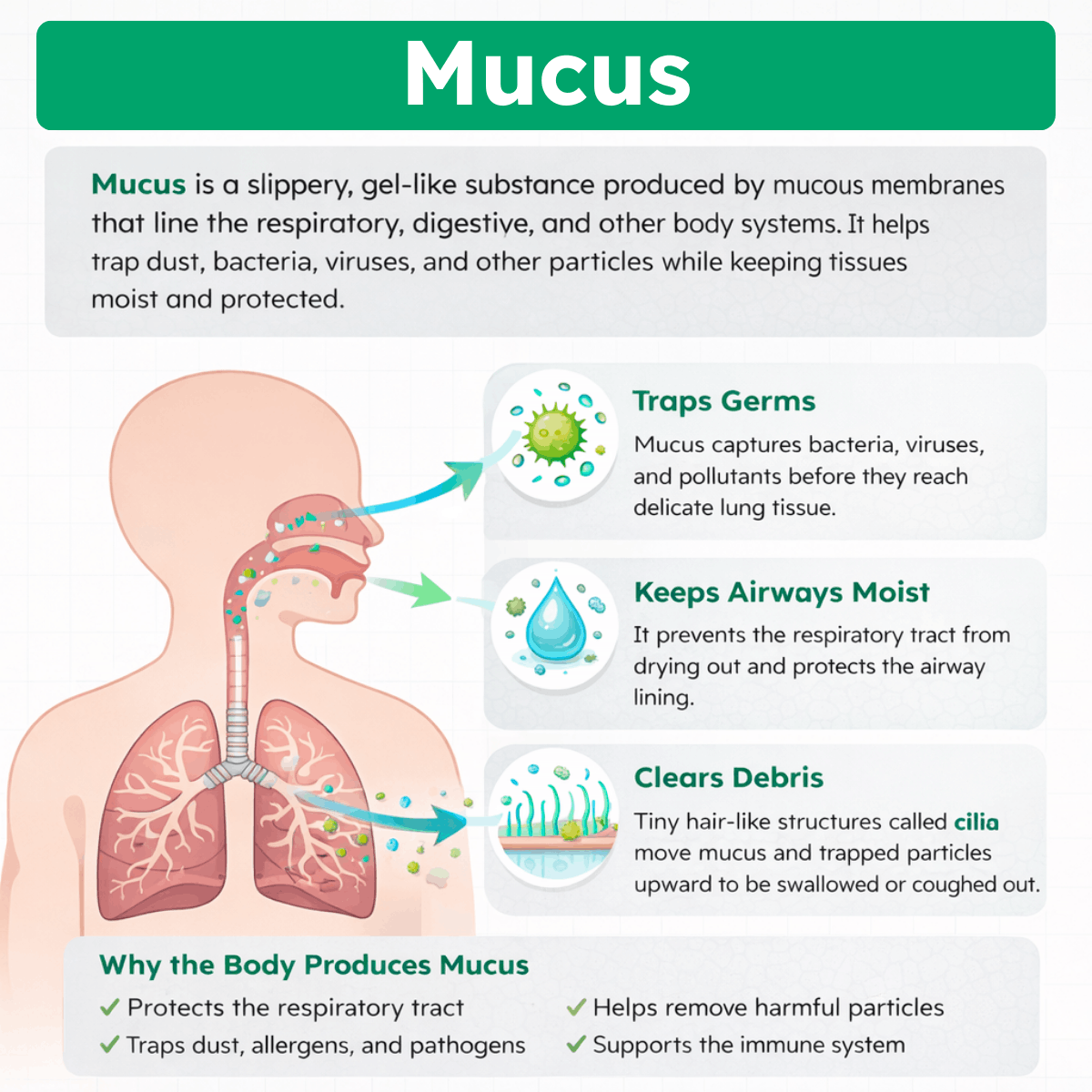
Mucus is a thick, slippery fluid produced by mucous membranes that line many parts of the body. These membranes are found in the respiratory tract, digestive system, urinary tract, and reproductive system. Their primary function is to protect and lubricate the tissues they cover.
In the respiratory system, mucus forms a protective layer that helps capture airborne particles such as dust, allergens, bacteria, and viruses. Without this layer, harmful substances could travel deeper into the lungs and potentially cause infection or irritation.
Mucus is mostly made of water—about 95 percent. The remaining portion contains proteins, enzymes, antibodies, salts, and specialized molecules called mucins. Mucins are responsible for giving mucus its gel-like consistency, allowing it to trap particles effectively.
Although mucus is commonly associated with illness, the body produces it continuously, even when you are perfectly healthy. In fact, a healthy person produces roughly one to one and a half liters of mucus each day. Most of this mucus is swallowed unconsciously and never noticed.
Where Is Mucus Produced?
Mucus is produced throughout the body by cells known as goblet cells and mucous glands. These cells are found in tissues lined with mucous membranes.
Some of the main areas where mucus is produced include:
Nose and Sinuses
The nose and sinus cavities are among the most important sites of mucus production. The mucus in these areas helps filter the air you breathe by trapping dust, pollen, pollution, and microorganisms.
Tiny hair-like structures called cilia constantly move mucus toward the back of the throat, where it can be swallowed. This process helps keep the nasal passages clear while preventing harmful particles from entering the lungs.
Throat
The throat also produces mucus to keep the tissues moist and lubricated. This helps prevent irritation during breathing, speaking, and swallowing.
Without mucus, the throat would quickly become dry and inflamed, especially in environments with dry air or high levels of airborne irritants.
Lungs and Bronchial Tubes
The lungs and bronchial tubes produce mucus as part of the respiratory defense system. In the lower airways, mucus captures bacteria, viruses, smoke particles, and other inhaled contaminants.
The cilia lining the airways then move this mucus upward toward the throat in a process called the mucociliary escalator. Once it reaches the throat, it can be swallowed or coughed out.
Note: This system plays a crucial role in preventing infections and maintaining clear airways.
Digestive Tract
Mucus is also present in the digestive system, where it protects the lining of the stomach and intestines from digestive acids and enzymes.
In the stomach, a thick mucus layer acts as a protective barrier that prevents stomach acid from damaging the stomach wall. Without this protective layer, the stomach could become irritated or develop ulcers.
What Does Mucus Do?
Mucus performs several important functions that help maintain health and protect the body from harm.
Traps Harmful Particles
One of the most important roles of mucus is trapping harmful substances before they reach sensitive tissues. Dust, bacteria, viruses, allergens, and pollutants can all become stuck in mucus as air moves through the respiratory tract.
Once trapped, these particles are removed from the airways through swallowing, coughing, or sneezing.
Protects and Moisturizes Tissues
Mucus acts as a lubricant that keeps tissues moist. This is particularly important in the respiratory tract, where constant airflow could otherwise dry out delicate membranes.
Keeping these tissues moist helps prevent irritation, inflammation, and microscopic damage.
Supports the Immune System
Mucus also contains immune system components such as antibodies, enzymes, and antimicrobial proteins. These substances help neutralize or destroy harmful microorganisms that become trapped in the mucus layer.
In this way, mucus acts as an important first line of defense against infection.
Helps Remove Debris
In combination with the cilia that line the respiratory tract, mucus helps remove debris and contaminants from the airways. This continuous cleaning process ensures that particles do not accumulate in the lungs.
Note: If this system stops working properly, mucus can build up and contribute to respiratory problems.
Why Does the Body Produce More Mucus Sometimes?
While mucus is always present, the body often produces more of it in response to irritation or infection.
This increase in mucus production is usually a protective response designed to trap and remove harmful substances more effectively.
Respiratory Infections
During illnesses such as the common cold, influenza, or bronchitis, the body increases mucus production to help capture and eliminate viruses and bacteria.
This is why symptoms such as a runny nose, congestion, and coughing often occur during respiratory infections.
Allergies
Allergic reactions can also trigger excess mucus production. When the immune system reacts to allergens like pollen, dust mites, or pet dander, it releases chemicals that cause inflammation and increased mucus secretion.
This helps trap allergens but can also lead to symptoms such as nasal congestion and postnasal drip.
Environmental Irritants
Exposure to irritants such as smoke, pollution, chemical fumes, or strong odors can stimulate mucus production as well.
The body uses mucus as a way to protect the airways and remove these irritants before they cause damage.
Chronic Conditions
Some long-term respiratory conditions are associated with excessive mucus production. These include asthma, chronic bronchitis, and certain lung diseases.
In these situations, mucus may become thicker and more difficult to clear, which can contribute to airway obstruction and breathing difficulties.
When Is Mucus Normal?
Most of the time, mucus production is completely normal and beneficial. The body relies on mucus to keep tissues healthy and protect against environmental threats. Normal mucus is typically clear or slightly cloudy and relatively thin. It moves easily through the airways and is removed without causing noticeable symptoms.
However, changes in mucus color, thickness, or volume can sometimes indicate an underlying issue. For example, thicker mucus or a change in color may occur during infections, allergies, or inflammation.
Note: Understanding the difference between normal mucus and abnormal mucus can help people recognize when symptoms may require medical attention.
Mucus Color and What It Means
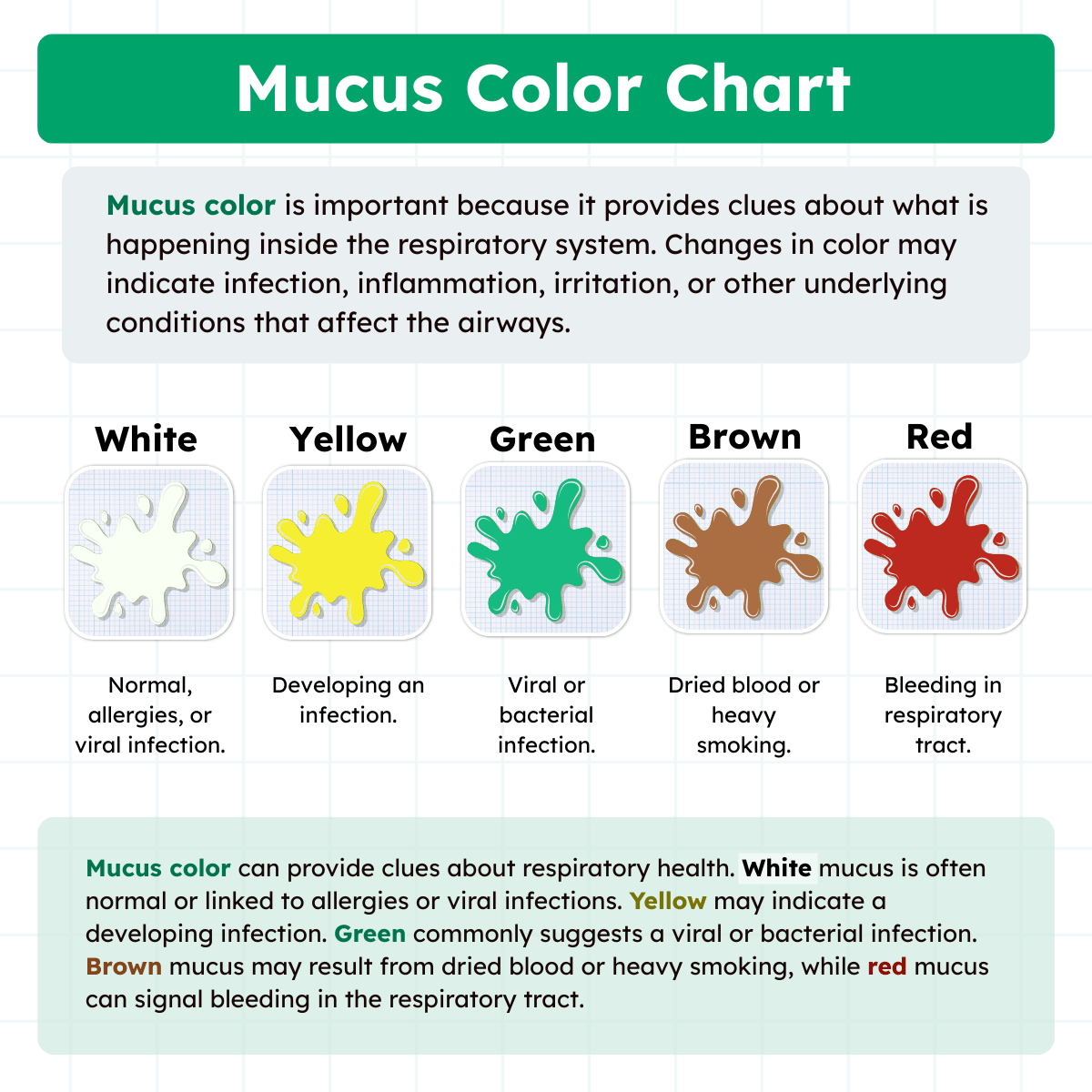
The color and appearance of mucus can provide useful clues about what is happening inside the body. While mucus normally appears clear or slightly cloudy, it can change color, thickness, or texture when the body is fighting an infection, reacting to allergens, or exposed to irritants.
Although mucus color alone cannot diagnose a specific condition, it often helps provide insight into what may be causing symptoms.
Clear Mucus
Clear mucus is usually a sign of normal, healthy mucus production. It indicates that the body is performing its natural function of trapping particles and keeping the respiratory passages moist.
However, excessive clear mucus may occur in situations such as:
- Allergies
- Early stages of a cold
- Exposure to cold air
- Irritation from pollution or smoke
Note: People with seasonal allergies often experience large amounts of clear mucus along with sneezing, watery eyes, and nasal congestion.
White Mucus
White mucus often indicates nasal congestion or inflammation. When the tissues inside the nose become swollen, mucus flow slows down, causing it to thicken and appear white or cloudy.
This may occur during:
- The common cold
- Mild respiratory infections
- Sinus inflammation
Note: White mucus can also appear when someone is dehydrated, as a lack of fluids can make mucus thicker and harder to clear.
Yellow Mucus
Yellow mucus often suggests that the body is fighting an infection. The color comes from immune cells that gather in the mucus to combat invading microorganisms.
As these immune cells break down, they can give mucus a yellow tint.
Yellow mucus is commonly associated with:
- Viral respiratory infections
- Sinus infections
- The middle stage of a cold
Note: Although yellow mucus can look concerning, it does not necessarily mean a bacterial infection is present.
Green Mucus
Green mucus is often seen during more advanced stages of infection. The green color comes from enzymes released by white blood cells as they fight pathogens.
This type of mucus may appear with conditions such as:
- Sinus infections
- Bronchitis
- Pneumonia
Note: Green mucus alone does not always mean antibiotics are required. Many viral infections can also produce green mucus.
Brown or Rust-Colored Mucus
Brown or rust-colored mucus may occur when small amounts of old blood are present. It can also result from inhaling environmental substances such as dirt, dust, or smoke.
Common causes include:
- Irritated airways
- Smoking
- Exposure to air pollution
- Inhaling dust or debris
Note: Occasionally, brown mucus may appear after coughing forcefully, which can irritate the lining of the respiratory tract.
Red or Pink Mucus
Red or pink mucus usually indicates the presence of fresh blood. This may occur when tiny blood vessels in the nose or throat break due to irritation or dryness.
Possible causes include:
- Nosebleeds
- Severe coughing
- Dry air
- Irritated nasal passages
Note: While small streaks of blood are often harmless, persistent or large amounts of blood in mucus should be evaluated by a healthcare professional.
What Causes Excess Mucus?
Many different factors can lead to increased mucus production. In most cases, this is the body’s natural response to protect itself from irritation, infection, or inflammation.
Colds and Respiratory Infections
One of the most common causes of excess mucus is a respiratory infection, such as the common cold or influenza.
When viruses infect the respiratory tract, the body increases mucus production to trap and remove the invading pathogens. This often leads to symptoms such as:
- Runny nose
- Congestion
- Postnasal drip
- Productive coughing
Note: As the immune system fights the infection, mucus production gradually returns to normal.
Allergies
Allergic reactions can also trigger excessive mucus production. When the immune system reacts to allergens like pollen, dust mites, mold, or pet dander, it releases chemicals that cause inflammation in the nasal passages.
This inflammation stimulates mucus-producing cells, leading to symptoms such as:
- Runny nose
- Sneezing
- Nasal congestion
- Postnasal drip
Note: For many people, allergy-related mucus is clear and watery.
Sinusitis
Sinusitis occurs when the sinus cavities become inflamed or infected. This can lead to thick mucus that accumulates in the sinuses and drains into the throat.
Common symptoms of sinusitis include:
- Facial pressure or pain
- Thick nasal discharge
- Reduced sense of smell
- Headache
- Postnasal drip
Note: Sinus infections may be caused by viruses, bacteria, or allergies.
Smoking
Smoking irritates the lining of the respiratory tract and stimulates mucus production. In response to constant irritation, the airways may produce larger amounts of thicker mucus.
Over time, smoking can also damage the cilia that normally help clear mucus from the lungs. When these tiny structures stop functioning properly, mucus can accumulate and contribute to chronic coughing.
Note: This is why many long-term smokers develop what is often called a “smoker’s cough.”
Pollution and Environmental Irritants
Air pollution, dust, chemical fumes, and strong odors can irritate the respiratory system and trigger mucus production.
The body responds by producing extra mucus to trap these irritants and prevent them from reaching deeper into the lungs.
Note: People who work in environments with high levels of airborne particles may experience chronic mucus production as a result.
Dehydration
Water plays an essential role in maintaining the proper consistency of mucus. When the body becomes dehydrated, mucus can become thicker and stickier.
This makes it harder for the cilia to move mucus out of the respiratory tract, which can lead to congestion and discomfort.
Note: Drinking enough fluids helps keep mucus thin and easier to clear.
Certain Medical Conditions
Some chronic health conditions can lead to persistent mucus production.
Examples include:
- Asthma
- Chronic bronchitis
- Chronic obstructive pulmonary disease (COPD)
- Cystic fibrosis
- Bronchiectasis
Note: These conditions often involve inflammation of the airways and excessive mucus that can obstruct airflow. Managing these conditions often involves medications and treatments designed to reduce inflammation and improve mucus clearance.
The Role of the Mucociliary Escalator
The body has a highly effective system for clearing mucus from the respiratory tract called the mucociliary escalator.
This system relies on two important components:
- Mucus
- Cilia
Cilia are microscopic hair-like structures that line the respiratory tract. They beat in coordinated waves, pushing mucus upward toward the throat. As mucus travels upward, it carries trapped particles and microorganisms with it.
Once the mucus reaches the throat, it is either swallowed or expelled by coughing. Stomach acid then destroys most harmful microorganisms that were captured in the mucus. This continuous cleaning process helps keep the airways clear and prevents infection.
When the mucociliary escalator is impaired, mucus can accumulate in the lungs and increase the risk of respiratory illness.
Factors that can disrupt this system include:
- Smoking
- Severe respiratory infections
- Chronic lung diseases
- Exposure to pollutants
Note: Maintaining healthy airways is important for ensuring that this natural defense system functions properly.
How to Reduce Excess Mucus
When mucus builds up and becomes bothersome, the goal is usually not to eliminate it completely but to keep it thin, manageable, and easier for the body to clear.
Since mucus serves an important protective purpose, the healthiest approach is to support the body’s natural clearance mechanisms rather than trying to stop mucus production entirely.
Stay Hydrated
One of the simplest and most effective ways to manage excess mucus is to drink enough fluids. Proper hydration helps keep mucus thin and less sticky, making it easier to move through the airways and nasal passages.
Water is usually the best choice, but warm fluids such as herbal tea, broth, or warm lemon water may also feel soothing, especially when someone has congestion or a sore throat. When the body is dehydrated, mucus tends to become thicker and harder to clear. This can worsen congestion and increase discomfort.
Use Humidified Air
Dry air can irritate the nose, throat, and airways, causing mucus to thicken and tissues to become inflamed. Adding moisture to the air with a humidifier may help loosen mucus and reduce irritation. This can be especially helpful during the winter months, when indoor heating tends to dry out the air.
However, humidifiers need to be cleaned regularly. If not maintained properly, they can harbor mold and bacteria, which may worsen respiratory symptoms rather than improve them.
Try Steam Inhalation
Breathing in warm steam may help loosen thick mucus and temporarily relieve congestion. Many people find that steam from a warm shower or a bowl of hot water makes it easier to breathe when they are dealing with a cold or sinus pressure.
Steam does not cure the underlying cause, but it can provide short-term symptom relief by adding moisture to irritated airways and helping secretions move more freely.
Note: Care should be taken to avoid burns, especially when using hot water around children.
Saline Nasal Rinses or Sprays
Saline nasal sprays and rinses can help clear mucus from the nose and sinuses. These products moisten the nasal passages, thin secretions, and flush out allergens, dust, and irritants.
They can be especially useful for people with:
- Allergies
- Sinus congestion
- Postnasal drip
- Dry nasal passages
Note: Because saline contains no medication, it is often a gentle option for regular symptom relief.
Avoid Irritants
Reducing exposure to irritants can help decrease excess mucus production. Common triggers include:
- Cigarette smoke
- Vaping aerosols
- Air pollution
- Dust
- Chemical fumes
- Strong perfumes or cleaning products
Note: When possible, avoiding these irritants gives the respiratory tract a chance to recover and reduces the need for the body to produce extra mucus as a defense. For people who smoke, quitting is one of the most important steps for improving long-term mucus clearance and lung health.
Rest and Support Recovery
If excess mucus is caused by a cold or respiratory infection, the body often needs time and rest to recover. Pushing through illness without enough sleep or hydration can make symptoms feel worse and prolong healing.
Note: Getting adequate rest supports the immune system and helps the body clear infection more efficiently.
Natural Remedies That May Help
Many people look for natural ways to relieve mucus and congestion. While these remedies may not treat the underlying cause, they can often make symptoms more manageable.
Warm Fluids
Warm drinks can be comforting and may help thin mucus while soothing the throat. Tea, broth, and warm water with honey or lemon are common choices.
They may be particularly helpful when mucus is associated with:
- Sore throat
- Postnasal drip
- Mild congestion
- Coughing
Note: Warm fluids also encourage hydration, which is important for keeping mucus from becoming too thick.
Honey
Honey is often used to soothe throat irritation and calm coughing. When mucus leads to throat discomfort or frequent coughing, honey may provide a coating effect that feels relieving.
Some people add honey to warm tea or take a small spoonful as needed. However, honey should not be given to infants under one year of age.
Ginger
Ginger is commonly used in teas and home remedies for colds and congestion. Some people find that it helps soothe the throat and provides a comforting warming effect. Although ginger is not a cure for mucus production, it may be a helpful addition to a supportive care routine.
Chicken Soup
Chicken soup has long been a popular home remedy for colds, and for good reason. The warm broth can help with hydration, while the steam and warmth may temporarily ease nasal congestion. Even if it does not directly reduce mucus production, it often helps people feel better while recovering.
Elevating the Head During Sleep
For people dealing with postnasal drip or nighttime congestion, sleeping with the head slightly elevated may help mucus drain more comfortably. This can reduce the sensation of mucus pooling in the throat and may lessen nighttime coughing.
Medical Treatments for Excess Mucus
When mucus becomes severe, persistent, or linked to a chronic medical condition, over-the-counter or prescription treatments may be needed.
Expectorants
Expectorants are medications designed to help thin mucus so it can be coughed up more easily. They are often used when chest congestion causes mucus to feel stuck in the lower airways. These products may be helpful during certain respiratory infections or episodes of bronchial congestion.
Decongestants
Decongestants work by reducing swelling in the nasal passages, which can improve airflow and decrease stuffiness. They do not directly remove mucus, but they may help relieve the congestion associated with excess mucus.
These medications are often used for short-term relief during colds or sinus congestion. However, they may not be appropriate for everyone, especially people with certain heart or blood pressure conditions.
Antihistamines
If allergies are causing excess mucus, antihistamines may help reduce the allergic response and relieve symptoms such as sneezing, runny nose, and postnasal drip. Some antihistamines can dry secretions, which may be helpful in certain cases but can also make mucus feel thicker in others.
Nasal Steroid Sprays
For chronic allergies or ongoing nasal inflammation, nasal steroid sprays are commonly used to reduce swelling and mucus production in the nasal passages. These medications are often more effective when used consistently rather than just once in a while.
Prescription Treatments for Chronic Lung Conditions
People with asthma, chronic bronchitis, COPD, bronchiectasis, or cystic fibrosis may need more specialized treatment to manage excess mucus.
Depending on the condition, treatment may include:
- Inhalers
- Nebulized medications
- Airway clearance techniques
- Chest physiotherapy
- Mucus-thinning medications
- Antibiotics when bacterial infection is present
Note: In these cases, treatment focuses not only on mucus itself but also on the underlying inflammation or disease process causing it.
When Mucus Can Be a Sign of a Problem
Although mucus is normal, certain changes may suggest that something more serious is going on.
Signs that mucus may need medical attention include:
- Mucus lasting more than a few weeks
- Thick mucus that continues to worsen
- Blood in the mucus
- Foul-smelling mucus
- Mucus accompanied by wheezing or shortness of breath
- High fever along with significant congestion or cough
- Chest pain
- Persistent sinus pain or facial swelling
These symptoms do not always mean a serious condition is present, but they should not be ignored.
For example, coughing up mucus for a few days during a cold is common. But coughing up mucus for several weeks, especially with fatigue, weight loss, breathing difficulty, or recurring infections, may require further evaluation.
When to See a Doctor
A person should consider seeing a healthcare professional if excess mucus:
- Does not improve after a reasonable amount of time
- Keeps coming back
- Interferes with sleep or daily activities
- Is associated with recurrent infections
- Includes blood
- Is accompanied by shortness of breath or chest tightness
Note: Medical attention is especially important for infants, older adults, people with weakened immune systems, and individuals with existing lung disease. Emergency care may be needed if mucus is accompanied by severe breathing difficulty, blue lips, confusion, or chest pain.
Common Myths About Mucus
Because mucus is such a common symptom, there are many myths and misunderstandings about it.
Myth: All Mucus Is Bad
This is not true. Mucus is essential for protecting and lubricating the body. Problems usually arise only when too much is produced, it becomes too thick, or the body has trouble clearing it.
Myth: Green Mucus Always Means You Need Antibiotics
Green mucus may happen during infections, but it does not automatically mean the infection is bacterial. Viral illnesses can also cause green mucus.
Myth: Stopping Mucus Completely Is the Goal
The body needs mucus to function properly. The goal is not to get rid of all mucus but to keep it at a healthy level and allow it to move normally.
Myth: Thick Mucus Always Means a Serious Illness
Thick mucus can occur for many reasons, including dehydration, dry air, allergies, or a simple cold. While it can sometimes signal a more serious issue, it is not automatically a sign of severe disease.
How to Support Healthy Mucus Production
Healthy mucus production depends on healthy tissues and good daily habits. Simple steps that may help include:
- Drinking enough water
- Avoiding smoking and secondhand smoke
- Reducing exposure to allergens and irritants
- Managing allergies properly
- Washing hands to reduce infections
- Using humidified air when indoor air is very dry
- Following treatment plans for chronic respiratory conditions
Note: These habits support the body’s natural mucus-clearing system and help prevent mucus from becoming excessive or problematic.
FAQs About Mucus
What Causes Mucus?
Mucus is produced by glands and specialized cells lining the respiratory tract and other mucous membranes in the body. Its primary role is to trap dust, bacteria, viruses, and other particles before they reach sensitive tissues. The body may produce more mucus when the airways become irritated or inflamed.
Common causes include respiratory infections such as colds or the flu, allergies, air pollution, smoking, asthma, and dry air. In most cases, increased mucus production is the body’s natural way of protecting and cleaning the respiratory system.
How Do I Get Rid of the Mucus?
Getting rid of excess mucus often involves helping the body thin and clear it naturally. Drinking plenty of water is one of the most effective ways to loosen mucus and make it easier to remove. Using a humidifier, taking warm showers, or inhaling steam can also help break up mucus in the airways.
Gentle coughing and throat clearing may help expel it. Avoiding irritants such as smoke or pollution can reduce mucus production. In some cases, over-the-counter medications like expectorants may help loosen mucus.
Is It Good That Mucus Is Coming Out?
In many cases, it is actually a good sign when mucus is coming out of the body. Mucus helps trap harmful particles such as dust, bacteria, and viruses that enter the respiratory tract. When the body expels mucus through coughing or nasal drainage, it is clearing these substances from the airways.
This process helps protect the lungs and prevent infection from spreading deeper into the respiratory system. While excess mucus can be uncomfortable, its removal is often part of the body’s natural healing and defense process.
Are Mucus and Phlegm the Same Thing?
Mucus and phlegm are related but not identical. Mucus is the general term for the slippery substance produced by mucous membranes throughout the body, including the nose, throat, lungs, and digestive tract.
Phlegm specifically refers to thicker mucus produced in the lungs and lower airways, usually during illness or irritation. While people often use the terms interchangeably, phlegm is technically a type of mucus that originates in the respiratory system and may be coughed up during respiratory infections or lung conditions.
Should You Spit Out Mucus?
Spitting out mucus can help clear the airways when it builds up in the throat or chest. When mucus contains trapped bacteria, viruses, or debris, coughing and spitting it out may help remove these substances from the respiratory system.
However, swallowing mucus is generally harmless because stomach acid can break down the particles it contains. Whether you spit it out or swallow it often depends on personal comfort. The most important goal is allowing the body to clear excess mucus from the airways.
What Is the Purpose of Mucus When You Are Sick?
When you are sick, mucus becomes an important part of the body’s immune defense. It helps trap viruses, bacteria, and other harmful particles that enter the respiratory system. Immune cells within the mucus attack these microorganisms and help prevent them from spreading deeper into the lungs.
The body may produce extra mucus during illness to capture and remove more pathogens. This is why colds, sinus infections, and respiratory illnesses often cause congestion, coughing, and a runny nose as the body works to clear the infection.
What Drinks Remove Mucus From the Body?
Certain drinks can help thin mucus and make it easier for the body to clear it from the airways. Water is the most important, as staying well hydrated helps prevent mucus from becoming thick and sticky. Warm beverages such as herbal tea, lemon water, or broth-based soups may also help loosen mucus and soothe irritated airways.
Some people find that warm liquids help relieve congestion. While drinks do not directly remove mucus, proper hydration supports the body’s natural mucus-clearing process.
How Do You Get Rid of Mucus Stuck in Your Throat?
Mucus stuck in the throat can often be relieved by loosening and clearing the secretions. Drinking warm fluids, such as tea or broth, can help thin mucus and make it easier to swallow or cough up. Gargling with warm salt water may also soothe throat irritation.
Using a humidifier or inhaling steam can add moisture to the airways and loosen mucus. Gentle coughing or throat clearing can help remove it. Staying hydrated and avoiding irritants like smoke can also reduce mucus buildup.
Why Do I Have Mucus but Not Sick?
Mucus can be present even when you are not sick because the body constantly produces small amounts to protect the respiratory tract. This mucus traps dust, pollen, pollution, and other particles that enter during breathing.
Environmental factors such as dry air, allergies, air pollution, or smoking can increase mucus production without causing illness. Postnasal drip from the sinuses may also create the sensation of mucus in the throat. In most cases, occasional mucus without other symptoms is a normal part of respiratory defense.
What Is the Difference Between Mucus and Sputum?
Mucus is a slippery, gel-like substance produced by mucous membranes throughout the body, including the nose, throat, lungs, and digestive tract. Its main purpose is to trap dust, bacteria, viruses, and other particles while keeping tissues moist and protected.
Sputum, on the other hand, refers specifically to the material that is coughed up from the lungs and lower airways. It usually contains mucus along with immune cells, microorganisms, and debris that the body is trying to remove from the respiratory system.
When Should I Be Worried About Mucus Color?
Changes in mucus color can sometimes signal infection or other respiratory problems. Clear mucus is usually normal, while white, yellow, or green mucus may occur when the body is fighting an infection. Yellow or green mucus often appears when immune cells are present in large numbers.
However, mucus color alone does not always indicate a serious problem. You should seek medical advice if mucus contains blood, appears rust-colored, smells foul, or occurs with symptoms such as high fever, chest pain, or difficulty breathing.
Final Thoughts
Mucus may be annoying when it becomes excessive, but it is an essential part of the body’s defense system. It helps trap harmful particles, keeps tissues moist, and supports the immune system in protecting the respiratory tract and other sensitive surfaces throughout the body.
Most of the time, mucus is completely normal, and even temporary increases in mucus production are often just signs that the body is responding appropriately to infection, allergies, or irritation.
By understanding what mucus is, what changes in color or consistency may mean, and how to manage excess mucus safely, people can better recognize when symptoms are harmless and when it may be time to seek medical attention.

Written by:
John Landry is a registered respiratory therapist from Memphis, TN, and has a bachelor's degree in kinesiology. He enjoys using evidence-based research to help others breathe easier and live a healthier life.
References
- McShane A, Bath J, Jaramillo AM, Ridley C, Walsh AA, Evans CM, Thornton DJ, Ribbeck K. Mucus. Curr Biol. 2021.