
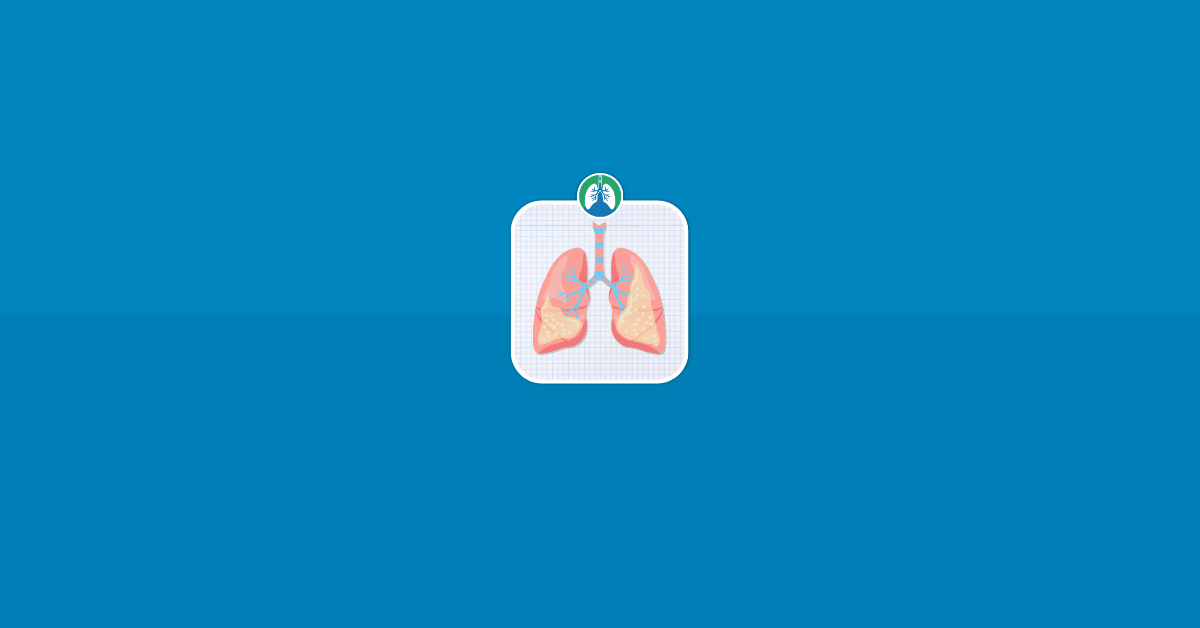
Pulmonary edema is a serious condition characterized by the accumulation of fluid within the lung interstitium and alveoli. This fluid buildup interferes with normal gas exchange and can lead to significant respiratory distress and hypoxemia.
The condition most commonly develops as a result of increased hydrostatic pressure in the pulmonary circulation or damage to the alveolar-capillary membrane.
Because pulmonary edema directly affects oxygenation and ventilation, it is highly relevant to respiratory therapists and other healthcare professionals involved in respiratory care. Understanding its mechanisms, causes, and clinical effects is essential for recognizing and managing patients with acute respiratory failure.

What is Pulmonary Edema?
Pulmonary edema is defined as the abnormal accumulation of fluid in the lungs, specifically within the interstitial spaces and alveoli. Under normal conditions, a small amount of fluid continuously moves from the pulmonary capillaries into the interstitial space. This fluid is normally cleared by the lymphatic system, which maintains a balance between fluid filtration and removal.
When this balance is disrupted, fluid begins to accumulate in the interstitial space. If the rate of fluid accumulation exceeds the capacity of the lymphatic system to remove it, the fluid eventually enters the alveoli. Once fluid fills the alveolar airspaces, gas exchange becomes impaired because oxygen must diffuse through the fluid layer before reaching the blood.
The presence of fluid in the alveoli reduces oxygen transfer, increases the work of breathing, and may ultimately lead to respiratory failure. Patients with pulmonary edema often present with shortness of breath, hypoxemia, and signs of increased respiratory effort.

Normal Fluid Balance in the Lungs
To understand pulmonary edema, it is important to review how fluid balance is normally maintained in the lungs.
The pulmonary circulation is a low pressure system designed to allow blood to flow through a large network of capillaries surrounding the alveoli. The walls separating the alveoli from the capillaries form the alveolar-capillary membrane, which is extremely thin to facilitate efficient gas exchange.
Two primary forces influence fluid movement across the pulmonary capillary membrane:
Hydrostatic Pressure
Hydrostatic pressure refers to the force exerted by blood within the capillaries. This pressure tends to push fluid out of the capillaries and into the interstitial space.
In the lungs, hydrostatic pressure is normally relatively low. This helps limit the amount of fluid that leaves the capillaries.
Oncotic Pressure
Oncotic pressure, also called colloid osmotic pressure, is generated by proteins in the blood plasma. These proteins draw fluid back into the capillaries and oppose the effects of hydrostatic pressure.
Under normal conditions, the balance between hydrostatic pressure and oncotic pressure allows only a small amount of fluid to move into the interstitial space.
Lymphatic Drainage
The lymphatic system plays an essential role in maintaining fluid balance in the lungs. Fluid that enters the interstitial space is collected by lymphatic vessels and transported back into the systemic circulation.
As long as lymphatic drainage can keep up with the amount of filtered fluid, pulmonary edema does not develop. However, if fluid accumulation exceeds lymphatic removal, interstitial and alveolar edema can occur.
Types of Pulmonary Edema
Pulmonary edema is generally classified into two main categories based on the underlying mechanism.
Hydrostatic Pulmonary Edema
Hydrostatic pulmonary edema occurs when increased pressure in the pulmonary capillaries forces fluid into the lung interstitium and alveoli.
This type is most commonly associated with left-sided heart failure. When the left ventricle cannot effectively pump blood forward into the systemic circulation, blood backs up into the pulmonary veins and capillaries. The resulting increase in hydrostatic pressure pushes fluid out of the capillaries and into the lungs.
The alveolar and capillary membranes remain intact in hydrostatic pulmonary edema. As a result, the fluid that accumulates in the alveoli contains relatively low levels of protein and inflammatory cells.
Note: This form of pulmonary edema is often referred to as cardiogenic pulmonary edema because it is closely related to cardiac dysfunction.
Nonhydrostatic Pulmonary Edema
Nonhydrostatic pulmonary edema occurs when injury to the alveolar-capillary membrane increases its permeability. Instead of being forced out by pressure alone, fluid leaks into the interstitial and alveolar spaces because the barrier between the blood and the airspace becomes damaged.
This form is commonly referred to as noncardiogenic pulmonary edema.
The most well known example of nonhydrostatic pulmonary edema is acute respiratory distress syndrome (ARDS). In ARDS, inflammation damages the pulmonary endothelium and alveolar epithelium, allowing protein rich fluid, inflammatory cells, and other substances to enter the alveoli.
Note: Unlike hydrostatic pulmonary edema, the fluid that accumulates in ARDS contains high levels of protein and inflammatory mediators. These substances further damage the lungs and contribute to impaired gas exchange.
Key Differences Between the Two Types
Although both forms involve fluid accumulation in the lungs, their underlying mechanisms differ.
In hydrostatic pulmonary edema, increased vascular pressure is the primary cause, and the alveolar barrier remains intact. In nonhydrostatic pulmonary edema, damage to the alveolar-capillary membrane allows fluid and proteins to leak into the alveoli even when vascular pressures are normal.
Note: Distinguishing between these two forms is important because their treatment strategies differ significantly.
Pathophysiology of Pulmonary Edema
Regardless of the underlying cause, pulmonary edema produces several physiologic changes that impair lung function.
Reduced Lung Compliance
The accumulation of fluid within the interstitial space and alveoli causes the lungs to become stiff. Reduced lung compliance makes it more difficult for the lungs to expand during inspiration.
Patients must generate greater negative intrathoracic pressure to achieve adequate ventilation, which increases the work of breathing.
Impaired Gas Exchange
Fluid within the alveoli interferes with oxygen diffusion from the airspace into the pulmonary capillaries. This leads to hypoxemia.
In addition, areas of the lung filled with fluid may still receive blood flow but little or no ventilation. This results in ventilation perfusion mismatch and intrapulmonary shunting.
Increased Work of Breathing
Patients with pulmonary edema often experience rapid breathing and respiratory distress. Because lung compliance is reduced and oxygenation is impaired, the respiratory muscles must work harder to maintain ventilation.
In severe cases, the increased work of breathing may contribute to respiratory muscle fatigue and respiratory failure.
Surfactant Dysfunction
In inflammatory forms of pulmonary edema such as ARDS, the presence of protein rich fluid in the alveoli interferes with the function of pulmonary surfactant.
Surfactant normally reduces surface tension within the alveoli and prevents collapse during exhalation. When surfactant activity is impaired, alveoli become unstable and may collapse, further worsening gas exchange.
Common Causes of Pulmonary Edema
Pulmonary edema can develop from a wide range of medical conditions.
Cardiac Causes
Cardiac disorders are the most common causes of hydrostatic pulmonary edema. These include:
- Left ventricular systolic dysfunction
- Left ventricular diastolic dysfunction
- Acute myocardial infarction
- Severe hypertension
- Valvular heart disease
Note: In each of these conditions, impaired cardiac function increases pressure in the pulmonary circulation.
Noncardiac Causes
Several noncardiac conditions can damage the alveolar-capillary membrane and produce nonhydrostatic pulmonary edema. Examples include:
- Acute respiratory distress syndrome
- Sepsis
- Aspiration of gastric contents
- Severe pneumonia
- Inhalation injury from toxic gases
- Trauma and shock
Note: These conditions trigger inflammatory responses that increase vascular permeability and allow fluid to leak into the lungs.
Fluid Overload
Excessive administration of intravenous fluids can overwhelm the capacity of the pulmonary circulation and lead to pulmonary edema, particularly in patients with underlying cardiac or renal disease.
Note: Careful monitoring of fluid balance is therefore essential in critically ill patients.
Clinical Manifestations
The symptoms and signs of pulmonary edema often develop rapidly and may become life-threatening.
Common symptoms include:
- Shortness of breath
- Rapid breathing
- Difficulty breathing when lying flat
- Cough, sometimes producing frothy sputum
- Anxiety or a sensation of air hunger
Note: Physical examination may reveal crackles on lung auscultation, tachycardia, and signs of increased work of breathing, such as accessory muscle use. In severe cases, patients may produce pink frothy sputum and develop significant hypoxemia, which can lead to confusion or decreased level of consciousness.
Radiographic Findings
Chest imaging plays an important role in identifying pulmonary edema and evaluating its underlying cause.
In cardiogenic pulmonary edema, chest radiographs may show several characteristic features:
- Redistribution of blood flow to the upper lung zones
- Kerley B lines indicating interstitial edema
- Perihilar opacities often described as a batwing pattern
- Cardiomegaly and pleural effusions
Note: In contrast, the radiographic appearance of ARDS typically shows diffuse bilateral infiltrates without cardiomegaly or signs of pulmonary venous congestion. Although imaging findings can provide valuable clues, they must always be interpreted in the context of the patient’s clinical presentation.
Diagnosis and Bedside Differentiation
Pulmonary edema is often apparent clinically, but identifying the underlying mechanism is the key step because management differs. The initial evaluation typically combines history, physical exam, oxygenation status, imaging, and cardiac assessment.
History and Context
Certain triggers make one cause more likely than another.
- Hydrostatic edema (cardiogenic or volume overload) is more likely with a history of heart failure, recent myocardial infarction, hypertensive crisis, valvular disease, missed diuretics, renal failure, or rapid fluid administration.
- Nonhydrostatic edema (increased permeability) is more likely with sepsis, pneumonia, aspiration, trauma, shock, pancreatitis, transfusion reactions, or inhalational injury.
Physical Exam Clues
No single finding is definitive, but the pattern matters.
Findings that may support hydrostatic edema
- Elevated jugular venous pressure
- Peripheral edema
- S3 gallop
- Hypertension (often in acute cardiogenic edema)
- Improvement after diuretics and afterload reduction
Findings that may support ARDS or other noncardiogenic causes
- A clear triggering illness, such as sepsis or aspiration
- Fever and systemic inflammatory features
- Hypotension requiring vasopressors
- Limited response to diuresis when fluid overload is not present
Imaging
Chest imaging confirms the presence of bilateral opacities but does not always identify the cause.
- Cardiogenic pulmonary edema may show cardiomegaly, vascular redistribution to the upper lobes, interstitial edema lines, peribronchial cuffing, pleural effusions, and perihilar predominance.
- ARDS may show bilateral patchy opacities that do not primarily cluster in the central hilar regions and often lacks cardiomegaly or classic signs of pulmonary venous hypertension.
Oxygenation Metrics and the Berlin Definition
ARDS is a clinical syndrome defined by acute onset, bilateral opacities consistent with pulmonary edema, respiratory failure not fully explained by cardiac failure or fluid overload, and hypoxemia measured by the PaO2/FiO2 ratio with at least minimal PEEP or CPAP.
Note: These criteria help standardize diagnosis but do not remove the need for clinical judgment. In mixed presentations, both hydrostatic and permeability mechanisms can be present.
Cardiac Assessment
Because hydrostatic edema is common and often treatable, evaluation for cardiac dysfunction should be early and practical.
- Echocardiography is highly useful for assessing ventricular function, valvular disease, and volume status patterns.
- BNP or NT-proBNP can support the assessment, but levels can be influenced by age, renal function, and critical illness. These tests should be interpreted alongside the clinical picture, not in isolation.
- Invasive hemodynamic monitoring may be used selectively but is not required for diagnosing ARDS and is not routinely essential for day to day ARDS management.
Why Pulmonary Edema is Relevant to Respiratory Therapists
Pulmonary edema is directly tied to the core responsibilities of respiratory care because it causes hypoxemia, increased work of breathing, and reduced lung compliance.
RTs often encounter pulmonary edema in the emergency department, ICU, and step-down settings, and they play a central role in stabilization, monitoring, ventilatory support, and ongoing assessment.
Early Recognition of Deterioration
RTs are often among the first to detect decompensation because they track changes in work of breathing, oxygen requirements, breath sounds, and ventilator waveforms. Early detection supports timely escalation, which may prevent respiratory arrest or urgent intubation.
Key changes that should prompt reassessment include:
- Rising FiO2 or flow requirements to maintain SpO2
- Increasing respiratory rate or accessory muscle use
- Worsening dyspnea or inability to speak full sentences
- New or expanding crackles, especially with pink frothy secretions
- Declining compliance, rising plateau pressures, or escalating PEEP needs
- Worsening acid-base status or rising PaCO2 due to fatigue
Direct Impact on Gas Exchange and Mechanics
Pulmonary edema affects both oxygenation and ventilation.
- Oxygenation worsens due to V/Q mismatch and shunt when alveoli are fluid-filled or collapsed.
- Ventilation may worsen due to reduced compliance and higher work of breathing, leading to fatigue.
- In ARDS, surfactant dysfunction and atelectasis can markedly increase shunt physiology and make hypoxemia less responsive to oxygen alone.
Note: Respiratory therapists use these physiologic patterns to guide device selection, titration, and escalation.
Initial Respiratory Support
The immediate goals are to correct hypoxemia, reduce work of breathing, and avoid iatrogenic harm.
Supplemental Oxygen
Oxygen therapy is appropriate for mild cases with stable work of breathing. Device selection depends on severity and tolerance.
- Nasal cannula or simple mask may suffice early.
- Venturi mask can provide more controlled FiO2.
- High-flow nasal cannula (HFNC) may reduce work of breathing and provide a modest level of positive airway pressure while supporting higher FiO2 delivery.
Note: Respiratory therapists’ priorities include continuous reassessment, preventing delays in escalation, and ensuring adequate humidification at higher flows.
CPAP and Bilevel Ventilation
Noninvasive ventilation is frequently used when oxygen alone is inadequate and the patient is awake, cooperative, and able to protect the airway.
CPAP in Cardiogenic Pulmonary Edema
CPAP can improve oxygenation and reduce dyspnea by recruiting alveoli, increasing functional residual capacity, and decreasing preload and afterload.
Typical RT responsibilities include:
- Selecting a device capable of high FiO2 delivery
- Starting at an appropriate pressure and titrating based on SpO2, work of breathing, and tolerance
- Monitoring for gastric insufflation, mask leak, and skin breakdown
- Watching closely for hypotension or clinical deterioration
Note: CPAP is generally not appropriate in patients with severe hemodynamic instability, inability to protect the airway, or immediate need for intubation.
Bilevel Ventilation When Ventilatory Support is Needed
Bilevel ventilation can reduce work of breathing by providing inspiratory pressure support. It is often considered when there is evidence of ventilatory failure, fatigue, or hypercapnia, or when the patient is tiring despite CPAP.
RT priorities include:
- Matching settings to the patient’s effort and avoiding excessive tidal volumes
- Monitoring for asynchrony and correcting trigger or cycling issues
- Ensuring a backup rate when clinically appropriate
- Preparing for intubation if the patient fails noninvasive support
When to Escalate to Invasive Ventilation
Intubation and mechanical ventilation should be considered when there is:
- Inability to protect the airway
- Persistent hypoxemia despite escalating noninvasive support
- Rising PaCO2 with worsening acidosis due to fatigue
- Hemodynamic instability or altered mental status
- Severe distress with impending respiratory arrest
Note: Respiratory therapists contribute by preparing equipment, assisting with preoxygenation strategies, and supporting post-intubation stabilization.
Mechanical Ventilation Considerations
Once intubated, management differs based on the primary mechanism, but protective strategies are important in any stiff, edematous lung.
Ventilation in Cardiogenic Pulmonary Edema
In cardiogenic edema, recruitment with PEEP can rapidly improve oxygenation and reduce the work of breathing. However, excessive PEEP can reduce venous return and worsen hypotension in preload-dependent states.
RT responsibilities include:
- Titrating PEEP to improve oxygenation while monitoring blood pressure and cardiac output surrogates
- Monitoring compliance trends and adjusting settings as fluid clears
- Supporting spontaneous breathing trials when the underlying cardiac condition stabilizes
Ventilation in ARDS
ARDS management emphasizes lung protective ventilation to reduce ventilator-induced lung injury.
Key principles include:
- Using lower tidal volumes based on predicted body weight
- Limiting plateau pressure to reduce overdistension
- Using sufficient PEEP to maintain recruitment without excessive strain
- Monitoring driving pressure and compliance trends
- Accepting permissive hypercapnia when appropriate and safe
Note: Respiratory therapists play a daily role in waveform interpretation, compliance assessment, ventilator adjustments, and ensuring that the intended protective targets are achieved.
Prone Positioning and Adjunctive Strategies
In moderate to severe ARDS, prone positioning can improve oxygenation and reduce ventilator stress by improving ventilation distribution and V/Q matching. RT involvement is often substantial, including coordinating ventilator setup, securing the airway, managing tubing, and ensuring safe ventilator operation during turning.
Other adjuncts may be used in selected cases:
- Neuromuscular blockade for severe dyssynchrony and high ventilator demand
- Inhaled pulmonary vasodilators as a temporary bridge in refractory hypoxemia
- Recruitment maneuvers in carefully selected patients
- Extracorporeal support in specialized centers for refractory cases
Note: Respiratory therapists contribute by monitoring response, documenting objective changes, and maintaining safety and consistency during high-risk interventions.
Medical Management in Respiratory Care
Pulmonary edema treatment depends on the cause. Respiratory therapists support the physiologic consequences while the medical team addresses the underlying mechanism.
Hydrostatic Pulmonary Edema Management
Common approaches include:
- Diuretics to reduce volume overload
- Afterload reduction in hypertensive presentations
- Treatment of ischemia, arrhythmias, or valvular problems
- Fluid restriction when appropriate
Note: Respiratory therapists support the response by tracking oxygenation, work of breathing, and tolerance of noninvasive support, while also identifying rapid improvement that may allow de-escalation.
Nonhydrostatic Pulmonary Edema and ARDS Management
Approaches focus on treating the inciting illness and supporting the lungs while injury resolves.
- Early source control and antibiotics for sepsis
- Conservative fluid strategies after initial stabilization in many cases
- Lung protective ventilation targets
- Managing complications such as ventilator-associated events and barotrauma risks
Note: RT involvement includes implementing protective strategies, minimizing ventilator harm, optimizing secretion management, and supporting early mobility plans when feasible.
Monitoring, Reassessment, and Common Pitfalls
Pulmonary edema can evolve rapidly. RTs provide ongoing monitoring that helps prevent delays in escalation.
Monitoring Priorities
- SpO2 trends, FiO2 requirements, and response to recruitment
- ABGs when clinical status changes or when ventilator adjustments are made
- Respiratory rate, accessory muscle use, and patient comfort
- Ventilator pressures, compliance, driving pressure, and signs of air trapping
- Interface issues with NIV such as leaks, pressure injury, and intolerance
Common Pitfalls
- Treating all bilateral infiltrates as heart failure without considering ARDS triggers
- Delaying escalation when work of breathing remains high despite acceptable SpO2
- Using excessive tidal volumes during NIV or invasive ventilation, especially in ARDS
- Overcorrecting hypoxemia with high FiO2 alone without adequate recruitment
- Missing mixed presentations where both volume overload and permeability injury are present
Pulmonary Edema Practice Questions
1. What is pulmonary edema?
Pulmonary edema is the accumulation of fluid in the lung interstitium and alveoli that impairs gas exchange and leads to hypoxemia and respiratory distress.
2. What major pathophysiologic changes occur in pulmonary edema?
Interstitial fluid accumulation, alveolar flooding, reduced lung compliance, impaired gas exchange, and possible atelectasis.
3. What is the most common cause of pulmonary edema?
Left-sided heart failure, also known as congestive heart failure.
4. How does left-sided heart failure lead to pulmonary edema?
Failure of the left ventricle causes blood to back up into the pulmonary circulation, increasing pulmonary capillary pressure and forcing fluid into the lung interstitium and alveoli.
5. What type of ventricular dysfunction commonly contributes to pulmonary edema?
Diastolic dysfunction caused by impaired ventricular relaxation or increased ventricular stiffness.
6. What hemodynamic change commonly leads to cardiogenic pulmonary edema?
Elevated pulmonary capillary hydrostatic pressure.
7. What are common symptoms of pulmonary edema?
Dyspnea, orthopnea, paroxysmal nocturnal dyspnea, cough, and production of frothy sputum.
8. What are common treatments for acute pulmonary edema?
Oxygen therapy, diuretics, vasodilators, and noninvasive ventilation.
9. What does the presence of frothy pink sputum typically indicate?
Pulmonary edema
10. What is the primary cause of cardiogenic pulmonary edema?
Left ventricular failure due to conditions such as myocardial infarction or cardiomyopathy.
11. What occurs during cardiogenic pulmonary edema?
Elevated pulmonary venous pressure forces fluid from capillaries into the interstitial and alveolar spaces.
12. What two forces regulate fluid balance across pulmonary capillaries?
Hydrostatic pressure and oncotic pressure.
13. What is the role of hydrostatic pressure in pulmonary capillaries?
It pushes fluid out of capillaries into the surrounding interstitial space.
14. What is the role of oncotic pressure in pulmonary capillaries?
It pulls fluid back into the capillaries from the interstitial space.
15. When does fluid begin to accumulate in the lung interstitium in pulmonary edema?
When hydrostatic pressure exceeds the capacity of lymphatic drainage and oncotic pressure.
16. What cardiac conditions can lead to pulmonary edema?
Left ventricular failure, valvular heart disease, cardiomyopathy, myocardial infarction, and arrhythmias.
17. What are common causes of noncardiogenic pulmonary edema?
ARDS, pneumonia, inhalation injury, severe infection, trauma, and high altitude exposure.
18. How can severe airway obstruction contribute to pulmonary edema?
By generating large negative intrathoracic pressures during inspiration.
19. What mechanism explains negative pressure pulmonary edema?
Strong inspiratory effort creates negative pressure that draws fluid into alveoli.
20. How can reduced oncotic pressure contribute to pulmonary edema?
Low plasma protein levels reduce the ability to retain fluid within capillaries.
21. Is Cheyne-Stokes respiration associated with pulmonary edema?
Yes, it may occur in severe heart failure due to delayed circulation time and altered respiratory control.
22. What is orthopnea?
Shortness of breath that occurs when lying flat.
23. What patient position helps relieve symptoms of pulmonary edema?
An upright or seated position to reduce venous return and improve ventilation.
24. What physical manifestations may occur in pulmonary edema?
Dyspnea, cyanosis, crackles, orthopnea, paroxysmal nocturnal dyspnea, and frothy sputum.
25. What lung auscultation findings are typical in pulmonary edema?
Fine inspiratory crackles, sometimes accompanied by wheezing or rhonchi.
26. What electrolyte abnormalities may occur in patients receiving diuretics for pulmonary edema?
Hypokalemia and hyponatremia.
27. Why are electrolyte imbalances common in patients treated for pulmonary edema?
Diuretic therapy can increase urinary loss of sodium and potassium.
28. What chest radiographic findings suggest pulmonary edema?
Bilateral infiltrates, Kerley B lines, cardiomegaly, pleural effusions, and a perihilar “bat-wing” pattern.
29. What determines the treatment strategy for pulmonary edema?
The underlying cause, whether cardiogenic or noncardiogenic.
30. What respiratory care interventions are commonly used in pulmonary edema?
Oxygen therapy, CPAP or BiPAP, airway clearance as needed, and mechanical ventilation in severe cases.
31. What medication may reduce preload and relieve anxiety in acute pulmonary edema?
Morphine sulfate, although it is used less commonly today due to potential adverse effects.
32. Which class of drugs promotes removal of excess fluid in pulmonary edema?
Diuretics such as furosemide.
33. What therapy may be used to increase plasma oncotic pressure in selected cases of pulmonary edema associated with low protein levels?
Intravenous albumin may be administered to increase plasma oncotic pressure and help retain fluid within the vascular space.
34. How does fluid typically progress through the lungs during pulmonary edema?
Fluid moves from pulmonary capillaries into the interstitial space, then into the alveoli, and may eventually enter the airways where it can be coughed up as frothy sputum.
35. What major structural changes occur in the lungs during pulmonary edema?
Interstitial edema, alveolar flooding, reduced lung compliance, and possible atelectasis.
36. What general management strategies are used for cardiogenic pulmonary edema?
Reducing preload and afterload, administering diuretics, controlling blood pressure, and improving cardiac function.
37. What therapy is commonly used to treat hypoxemia and dyspnea in pulmonary edema?
Supplemental oxygen therapy.
38. Why is CPAP often used in patients with pulmonary edema?
It improves oxygenation, decreases work of breathing, and reduces pulmonary venous return.
39. What chest radiograph findings are common in cardiogenic pulmonary edema?
Cardiomegaly, bilateral perihilar infiltrates in a “bat-wing” pattern, Kerley B lines, and possible pleural effusions.
40. What radiographic feature helps distinguish noncardiogenic pulmonary edema from cardiogenic pulmonary edema?
A normal cardiac silhouette is often present in noncardiogenic pulmonary edema.
41. How is acute pulmonary edema classified clinically?
It is considered a medical emergency requiring rapid treatment.
42. What type of lung mechanics pattern is often seen in pulmonary edema?
A restrictive pattern due to decreased lung compliance.
43. Where does fluid initially accumulate in pulmonary edema?
In the perivascular and peribronchial interstitial spaces.
44. What two primary pressures regulate pulmonary fluid movement?
Hydrostatic pressure and plasma oncotic pressure.
45. What occurs when pulmonary capillary hydrostatic pressure becomes elevated?
Fluid is forced out of capillaries into the lung interstitium and alveoli.
46. What hemodynamic abnormality most commonly causes cardiogenic pulmonary edema?
Elevated pulmonary capillary hydrostatic pressure due to left ventricular dysfunction.
47. What cardiac conditions can lead to cardiogenic pulmonary edema?
Myocardial infarction, left ventricular failure, valvular heart disease, arrhythmias, and cardiomyopathy.
48. What physiologic change commonly occurs in pulmonary edema that impairs gas exchange?
Thickening of the alveolar-capillary membrane and fluid-filled alveoli.
49. Why may albumin be administered in selected pulmonary edema cases?
It increases plasma oncotic pressure and helps draw fluid back into the vascular compartment.
50. What is the normal range for pulmonary capillary hydrostatic pressure?
Approximately 10 to 15 mmHg.
51. What conditions can cause increased capillary permeability in noncardiogenic pulmonary edema?
ARDS, severe infection, inhalation injury, trauma, head injury, high altitude exposure, and toxic inhalation.
52. What physiologic abnormalities occur in the lungs during pulmonary edema?
Alveolar flooding, decreased lung compliance, and impaired oxygen diffusion.
53. What vital sign changes are commonly observed in pulmonary edema?
Tachycardia, tachypnea, and sometimes hypertension.
54. What pulmonary function test pattern is associated with pulmonary edema?
A restrictive pattern with reduced lung volumes.
55. What hemodynamic measurement is typically elevated in cardiogenic pulmonary edema?
Pulmonary capillary wedge pressure (PCWP).
56. How does heart size appear on imaging in cardiogenic pulmonary edema?
The cardiac silhouette is often enlarged due to underlying heart disease.
57. How does heart size typically appear on imaging in noncardiogenic pulmonary edema?
The cardiac silhouette is usually normal.
58. What radiologic pattern may be seen in noncardiogenic pulmonary edema?
Diffuse bilateral infiltrates that may be patchy and not necessarily centered around the heart.
59. What determines the general treatment approach for pulmonary edema?
The underlying cause and severity of the condition.
60. What is the primary respiratory therapy goal in noncardiogenic pulmonary edema?
To support oxygenation and ventilation.
61. What is the primary respiratory therapy goal in cardiogenic pulmonary edema?
To maintain airway patency, improve oxygenation, and reduce work of breathing.
62. What are the three primary hemodynamic goals when treating cardiogenic pulmonary edema?
Reducing preload, reducing afterload, and improving myocardial contractility.
63. Which inotropic medications may be used in severe cardiogenic pulmonary edema?
Dobutamine, dopamine, and milrinone.
64. What additional medications may be used to manage cardiogenic pulmonary edema?
Vasodilators, antiarrhythmic medications, and diuretics.
65. How does pulmonary edema typically progress if untreated?
It progresses from interstitial fluid accumulation to alveolar flooding, leading to severe hypoxemia and respiratory failure.
66. What physiologic mechanism normally prevents excessive fluid accumulation in the lungs?
The pulmonary lymphatic system removes filtered fluid and proteins from the lung interstitium.
67. What occurs when the rate of pulmonary fluid accumulation exceeds lymphatic drainage capacity?
Fluid begins to accumulate in the alveoli, leading to pulmonary edema.
68. What is the difference between transudative and exudative pulmonary edema fluid?
Transudative fluid has low protein content and occurs with increased hydrostatic pressure, whereas exudative fluid has high protein content and occurs with increased capillary permeability.
69. What type of pulmonary edema is most commonly associated with congestive heart failure?
Hydrostatic (cardiogenic) pulmonary edema.
70. What type of pulmonary edema is associated with ARDS?
Permeability (noncardiogenic) pulmonary edema.
71. What structure normally prevents fluid from entering the alveoli?
The alveolar-capillary membrane composed of alveolar epithelium and capillary endothelium.
72. What happens to the alveolar-capillary membrane in ARDS?
It becomes damaged and permeable, allowing fluid, proteins, and inflammatory cells to leak into the alveoli.
73. Which inflammatory cells commonly accumulate in the lungs during ARDS?
Neutrophils
74. What substances released by neutrophils contribute to lung injury in ARDS?
Proteases, phospholipases, and reactive oxygen species.
75. Which inflammatory mediators are commonly involved in ARDS pathophysiology?
Tumor necrosis factor (TNF) and interleukin-8 (IL-8).
76. What condition occurs when systemic inflammation leads to failure of multiple organs including the lungs?
Multiple organ dysfunction syndrome (MODS).
77. How is ARDS related to MODS?
ARDS is considered the pulmonary manifestation of MODS.
78. Why does pulmonary edema increase the work of breathing?
Fluid-filled lungs become stiff, decreasing lung compliance and requiring greater effort to expand.
79. In severe pulmonary edema, what percentage of total metabolic energy may be used for breathing?
Approximately 25% to 50%.
80. Why does surfactant dysfunction occur in ARDS?
Inflammatory fluid interferes with surfactant synthesis, secretion, and function.
81. What effect does surfactant dysfunction have on alveoli?
It increases surface tension and promotes alveolar collapse.
82. What condition results when alveoli collapse due to surfactant dysfunction?
Atelectasis
83. What gas exchange abnormality commonly occurs in pulmonary edema?
Ventilation-perfusion (V/Q) mismatch
84. What type of shunt may develop in severe pulmonary edema?
Intrapulmonary right-to-left shunting.
85. Why does blood flow to poorly ventilated alveoli worsen hypoxemia in ARDS?
Because hypoxic pulmonary vasoconstriction may be impaired.
86. What physiologic response normally improves V/Q matching during alveolar hypoxia?
Hypoxic pulmonary vasoconstriction
87. Why may oxygen therapy alone be insufficient in severe pulmonary edema?
Because intrapulmonary shunting prevents oxygen from reaching blood flowing through fluid-filled alveoli.
88. What bedside measurement is used to assess oxygenation severity in ARDS?
The PaO2/FiO2 ratio
89. What PaO2/FiO2 ratio is included in the Berlin definition of ARDS?
Less than 300 mmHg with at least 5 cm H2O of PEEP or CPAP.
90. What diagnostic procedure can analyze alveolar fluid composition in pulmonary edema?
Bronchoalveolar lavage (BAL)
91. What finding in bronchoalveolar lavage fluid suggests ARDS rather than cardiogenic pulmonary edema?
High protein levels and the presence of inflammatory cells.
92. What laboratory biomarker can help differentiate cardiogenic from noncardiogenic pulmonary edema?
B-type natriuretic peptide (BNP)
93. What does an elevated BNP level suggest in a patient with pulmonary edema?
Cardiac dysfunction or congestive heart failure.
94. What bedside imaging technique is commonly used to evaluate cardiac function in pulmonary edema?
Echocardiography
95. Why is echocardiography useful in evaluating pulmonary edema?
It helps determine whether cardiac dysfunction is contributing to the condition.
96. What early radiographic change may appear before overt pulmonary edema develops?
Cephalization of pulmonary blood flow.
97. What does cephalization of pulmonary blood flow indicate?
Elevated pulmonary venous pressure, often due to left-sided heart failure.
98. What radiographic finding represents thickened interlobular septa in pulmonary edema?
Kerley B lines
99. What radiographic feature describes bilateral perihilar opacities seen in pulmonary edema?
The “batwing” or “butterfly” pattern.
100. What characteristic chest radiograph pattern is often seen in ARDS?
Diffuse bilateral infiltrates without cardiomegaly.
Final Thoughts
Pulmonary edema is a frequent cause of acute respiratory failure and a major driver of hypoxemia, increased work of breathing, and reduced lung compliance. Differentiating hydrostatic edema from nonhydrostatic edema guides treatment decisions and helps avoid harmful delays or mismatched therapy.
Respiratory therapists are central to early recognition, oxygen and ventilatory support, and the safe application of CPAP, bilevel ventilation, and lung-protective mechanical ventilation.
Consistent reassessment, careful titration, and attention to underlying physiology allow RTs to improve patient stability while definitive management addresses the root cause.

Written by:
John Landry is a registered respiratory therapist from Memphis, TN, and has a bachelor's degree in kinesiology. He enjoys using evidence-based research to help others breathe easier and live a healthier life.
References
- Malek R, Soufi S. Pulmonary Edema. [Updated 2023 Apr 7]. In: StatPearls [Internet]. Treasure Island (FL): StatPearls Publishing; 2025.