Learn if you need a prescription for a nebulizer, how coverage works, and why nebulized medications require medical guidance.


Learn if you need a prescription for a nebulizer, how coverage works, and why nebulized medications require medical guidance.
Learn the difference between static and dynamic compliance, including formulas, pressure trends, causes, and ventilator assessment tips.
Learn about dynamic compliance, including the formula, normal values, causes of low compliance, and how it helps assess ventilator patients.
Learn about static compliance, including the formula, normal values, causes of low compliance, and how it helps assess ventilator patients.
Learn what mean arterial pressure (MAP) is, how to calculate it, normal values, and why it matters for perfusion and respiratory care.
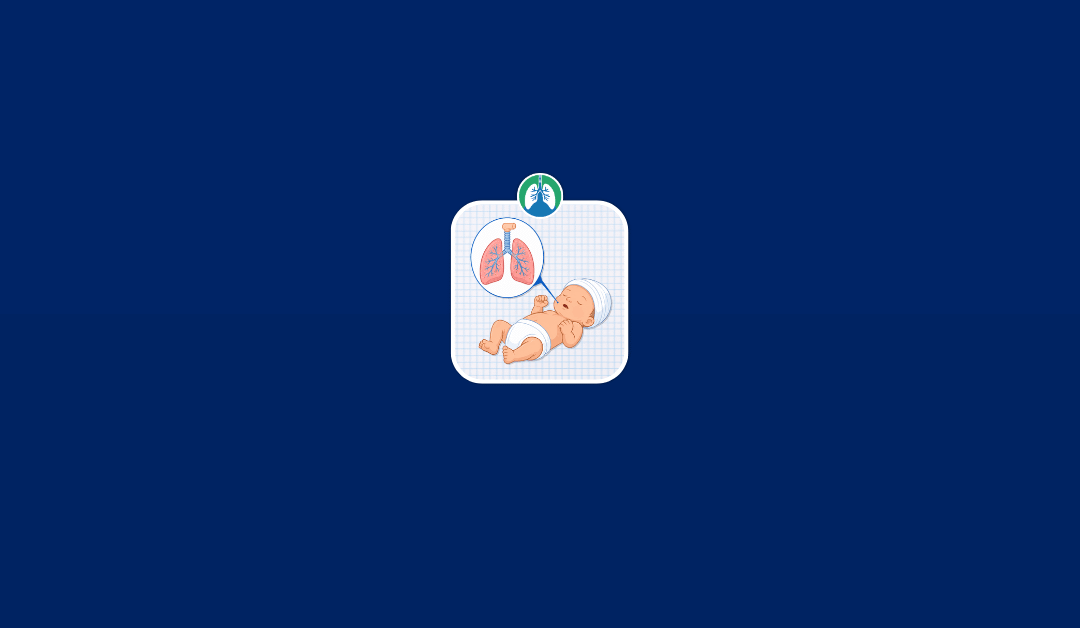
Learn about delivery room management, including newborn assessment, stabilization, airway support, oxygen therapy, and respiratory care.
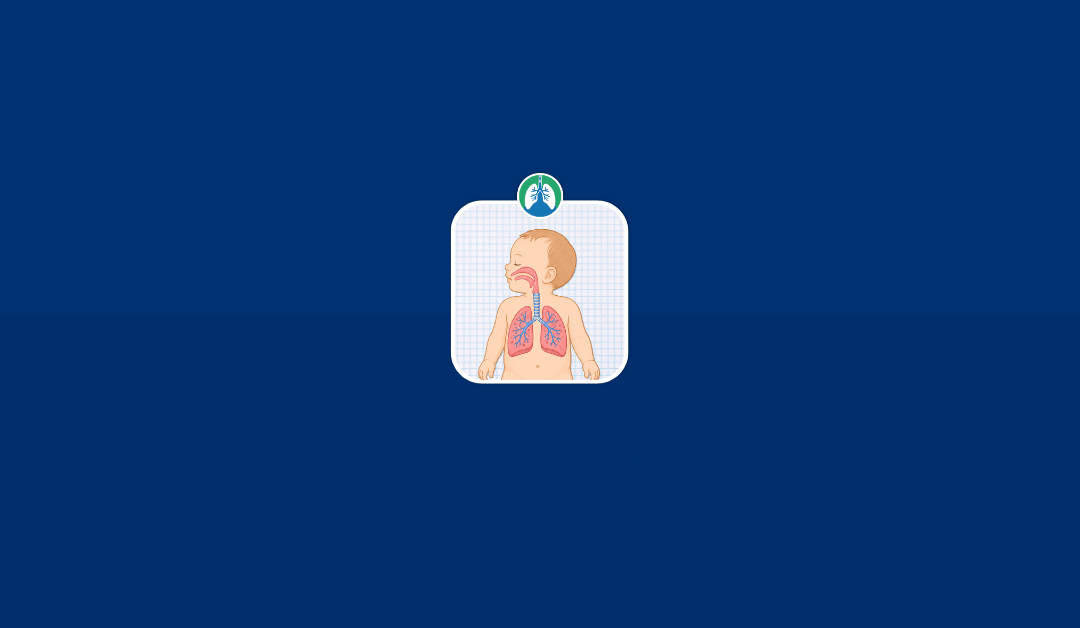
Learn about infant respiratory disorders, including common causes, signs of distress, diagnosis, treatment, and respiratory care.
Learn about foreign body aspiration, including causes, symptoms, diagnosis, emergency treatment, and key facts for respiratory care.
Learn about sudden infant death syndrome (SIDS), including key risk factors, prevention tips, and what caregivers should know.
Learn about bronchiolitis, including causes, symptoms, diagnosis, treatment, risk factors, and respiratory care for infants.
Learn about pulmonary hypoplasia, including causes, signs, PPHN, respiratory complications, and treatment for underdeveloped lungs.
Learn about neonatal pneumonia, including causes, risk factors, symptoms, diagnosis, treatment, and respiratory care for newborns.
Learn about transient tachypnea of the newborn (TTN), including causes, symptoms, risk factors, diagnosis, treatment, and recovery.

Learn about neonatal respiratory distress syndrome (RDS), including causes, symptoms, diagnosis, surfactant therapy, and treatment.

Learn the key steps of neonatal and pediatric patient assessment, including vital signs, respiratory distress, Apgar scoring, and exams.

Learn cardiac electrophysiology basics, including heart conduction, ECG waves, intervals, arrhythmias, and rhythm interpretation.

Learn how regulation of breathing controls respiratory rate, depth, oxygen, CO₂, and acid-base balance through neural and chemical signals.

Learn how GlideScope intubation works, including its purpose, technique, benefits, risks, troubleshooting, and role in airway management.
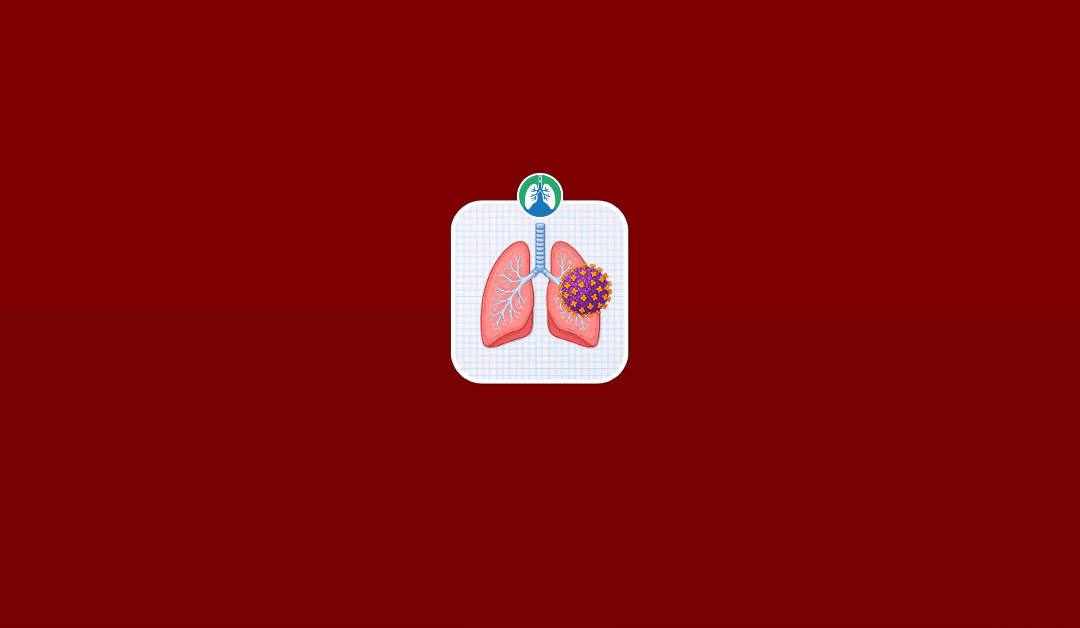
Learn about Hantavirus Pulmonary Syndrome (HPS), its causes, symptoms, transmission, and why early treatment is critical for survival.

Learn about oxygenation, including physiology, assessment, oxygen therapy, and key concepts for managing hypoxemia in clinical practice.